Cryogenic containers, also known as cryogenic tanks or vessels, are specialized storage units designed to hold materials at extremely low temperatures. These containers are indispensable in laboratory settings, where they important in the preservation and transportation of biological samples, cells, tissues, and other temperature-sensitive materials. Understanding the different types, features, and proper usage of cryogenic containers can significantly enhance laboratory efficiency and safety.
Material Composition
The materials used in the construction of cryogenic containers are critical to their performance and durability.
Stainless Steel
Stainless steel is commonly used due to its strength, corrosion resistance, and ability to withstand extreme temperatures. It provides structural integrity and longevity.
Aluminum
Aluminum is another popular material, valued for its lightweight properties and good thermal conductivity. It is often used in transport containers and smaller vials.
Composite Materials
Advanced composite materials are increasingly being used for their superior insulation properties and reduced weight. These materials can enhance the performance and efficiency of cryogenic containers.
Safety Features
Safety is paramount when handling cryogenic materials, and containers are equipped with various features to mitigate risks.
Pressure Relief Valves
Pressure relief valves are essential for preventing over-pressurization, which can occur as cryogenic liquids evaporate and expand.
Venting Systems
Venting systems allow for the safe release of gases, preventing pressure buildup and ensuring safe operation.
Monitoring and Alarm Systems
Advanced Laboratory cryogenic containers come with monitoring and alarm systems to detect temperature fluctuations, pressure changes, and other potential hazards, alerting users to take corrective actions.

Applications in Laboratories
Cryogenic containers are used in a wide range of laboratory applications, each benefiting from their unique capabilities.
Storage of Biological Samples
Cryogenic containers are ideal for storing biological samples, ensuring their integrity over extended periods.
Preservation of Cells and Tissues
The ability to maintain ultra-low temperatures makes cryogenic containers perfect for preserving cells and tissues for research and medical purposes.
Use in Cryogenic Experiments
Cryogenic containers are also used in various experimental setups, where precise temperature control is required to study the effects of extreme cold on materials and biological systems.
Handling and Usage
Proper handling and usage of cryogenic containers are crucial to ensuring safety and effectiveness.
Safety Precautions
Always wear appropriate personal protective equipment (PPE), such as gloves and face shields, when handling cryogenic materials.
Handling Procedures
Follow standard operating procedures for filling, transporting, and storing cryogenic containers to prevent accidents and ensure safe usage.
Proper Usage Techniques
Ensure that containers are used according to manufacturer guidelines and are not subjected to conditions beyond their design specifications.
Maintenance and Care
Regular maintenance and care are essential for the longevity and reliability of cryogenic containers.
Regular Inspections
Conduct routine inspections to check for signs of wear, damage, or malfunction, and address any issues promptly.
Cleaning Procedures
Clean containers regularly to prevent contamination and ensure optimal performance. Use appropriate cleaning agents and methods as recommended by the manufacturer.
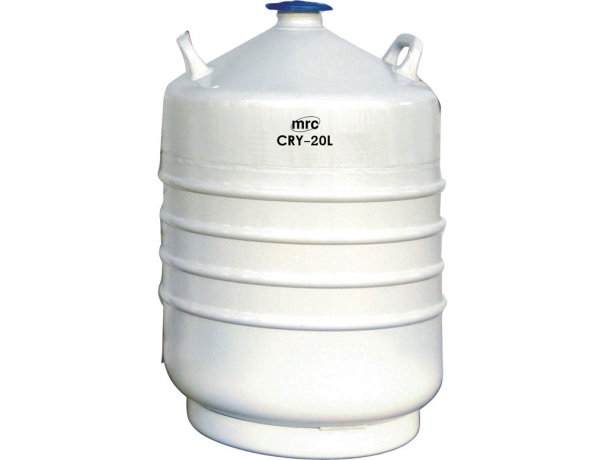
Advantages of Using Cryogenic Containers
Cryogenic containers offer several benefits that make them indispensable in laboratory settings.
Temperature Stability
These containers provide consistent and stable low temperatures, crucial for preserving sensitive materials.
Longevity of Samples
By maintaining ultra-low temperatures, cryogenic containers extend the shelf life of biological samples, allowing for long-term storage.
Reliability in Experiments
The precise temperature control offered by cryogenic containers ensures reliable and reproducible results in experimental setups.
How to use laboratory Cryogenic Container
Using a laboratory cryogenic container safely and effectively involves several important steps and considerations. Cryogenic containers are used to store and transport substances at very low temperatures, often using liquid nitrogen or other cryogenic liquids. Here’s a guide to help you use a laboratory cryogenic container:
Safety Precautions
- Personal Protective Equipment (PPE): Always wear appropriate PPE, including:
- Cryogenic gloves
- Safety goggles or face shield
- Lab coat or cryogenic apron
- Closed-toe shoes
- Ventilation: Ensure the area is well-ventilated to prevent the buildup of gases, which can displace oxygen and pose an asphyxiation risk.
- Training: Only trained personnel should handle cryogenic containers. Ensure you are familiar with the operating procedures and safety guidelines.
Handling Cryogenic Liquids
- Inspect the Container: Before use, check the cryogenic container for any signs of damage, such as dents, cracks, or leaks. Make sure the container’s pressure relief valves are functioning properly.
- Filling the Container:
- Use a transfer line or funnel designed for cryogenic liquids.
- Slowly pour the cryogenic liquid into the container to avoid splashing and rapid vaporization.
- Do not overfill the container. Leave space for liquid expansion and vaporization.
- Transporting the Container:
- Use proper lifting techniques to avoid injury.
- Ensure the container is secure and upright during transport to prevent spillage and ensure stability.
Using the Cryogenic Container
- Temperature Monitoring: Use a cryogenic thermometer or a temperature sensor to monitor the temperature inside the container.
- Minimizing Heat Transfer: Limit the number of times the container is opened to reduce heat transfer and loss of cryogenic liquid. When opening, do it quickly and efficiently.
- Handling Samples: Use cryogenic tongs or tools to handle samples. Avoid direct contact with the cryogenic liquid or objects that have been in contact with it.
Maintenance and Storage
- Regular Inspection: Routinely inspect the container for any signs of wear or damage. Check the integrity of seals and gaskets.
- Cleaning: Clean the container according to the manufacturer’s instructions. Avoid using water or any cleaning agents that might react with the cryogenic liquid.
- Storage: Store the cryogenic container in an upright position in a well-ventilated area. Ensure it is away from sources of heat and direct sunlight.
Emergency Procedures
- Spill Response: In case of a spill, evacuate the area and ventilate it immediately. Use proper spill response equipment and follow the lab’s emergency protocols.
- Medical Emergencies: If someone is exposed to cryogenic liquids and suffers frostbite or other injuries, seek medical attention immediately.
- Fire Hazards: Be aware that cryogenic liquids can condense oxygen from the air, creating a fire hazard. Ensure that the area is free from flammable materials.
Documentation
- Keep a log of the use and maintenance of the cryogenic container.
- Ensure that all procedures and safety protocols are well-documented and accessible to all personnel.