Laboratory instruments are important in the success of scientific research, testing, and analysis. They aid in the acquisition of accurate and reliable data that are essential for making informed decisions. However, with so many options available in the market, selecting the right laboratory instrument can be a daunting task. In this guide, we'll discuss the key factors to consider when choosing laboratory instruments to ensure that you make an informed decision.
Factors to Consider When Choosing Laboratory Instruments
Purpose
The first factor to consider when choosing laboratory instruments is the purpose of the instrument. What do you need the instrument for? Different laboratory instruments have different purposes, and it's essential to choose an instrument that meets your specific needs.
Accuracy and Precision
Accuracy and precision are critical. The accuracy of an instrument refers to how close its measurements are to the true value, while precision refers to how consistent the measurements are when repeated. It's essential to choose instruments with high accuracy and precision to ensure the reliability of your data.
Cost
Cost is always a consideration, it's important to note that the cheapest option may not always be the best option. You should consider the long-term cost of the instrument, including maintenance and repair costs.
Brand Reputation
A well-known brand with a good reputation is more likely to provide high-quality instruments that are reliable and accurate.
Availability of Spare Parts and Support
It's important to consider the availability of spare parts and support. Instruments may require repair or maintenance, and it's essential to choose a brand that provides spare parts and support when needed.
User-Friendliness
Instruments that are user-friendly and easy to operate can help increase efficiency and reduce the risk of errors.
Types of laboratory instrument
Laboratory equipment are essential tools used in scientific research, testing, and analysis. These instruments aid in the acquisition of accurate and reliable data, which are necessary for making informed decisions. There are different types, and each has a specific purpose. Here are some of the most common types of laboratory instruments:
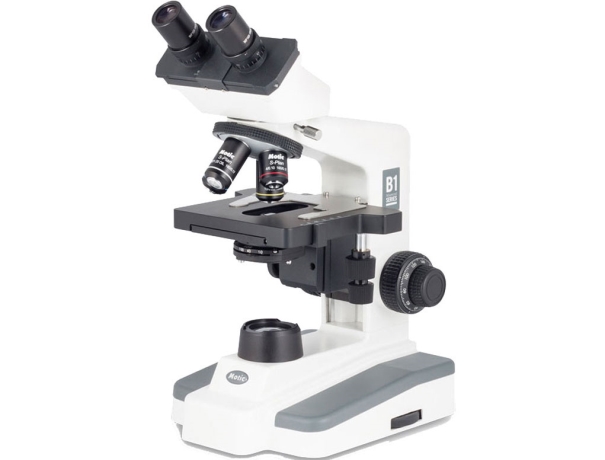
Microscopes
Microscopes are used to magnify small objects or organisms that are too small to see with the naked eye. They are used in various fields, including biology, medicine, and materials science. Microscopes can be classified into several types, including compound microscopes, stereo microscopes, and electron microscopes.
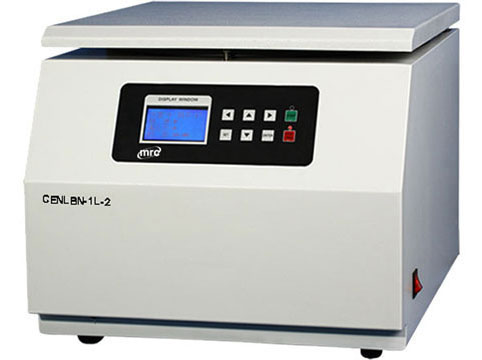
Centrifuges
Centrifuges are used to separate materials of different densities by spinning them at high speeds. They are used in various applications, including blood separation, cell culture, and DNA extraction. Centrifuges can be classified into several types, including benchtop centrifuges, floor-standing centrifuges, and ultracentrifuges.
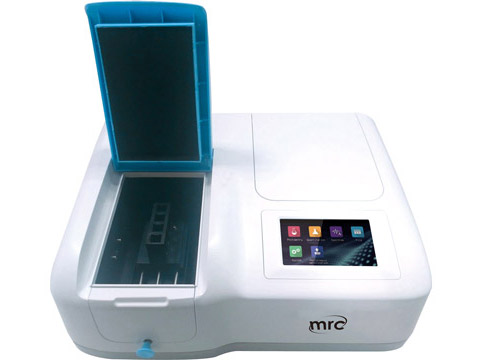
Spectrophotometers
Spectrophotometers are used to measure the absorbance or transmittance of light by a sample. They are used in various applications, including DNA analysis, protein quantification, and drug discovery. Spectrophotometers can be classified into several types, including UV-Vis spectrophotometers, fluorescence spectrophotometers, and infrared spectrophotometers.
Pipettes
Pipettes are used to measure and transfer small volumes of liquid accurately. They are used in various applications, including cell culture, molecular biology, and chemistry. Pipettes can be classified into several types, including single-channel pipettes, multi-channel pipettes, and electronic pipettes.
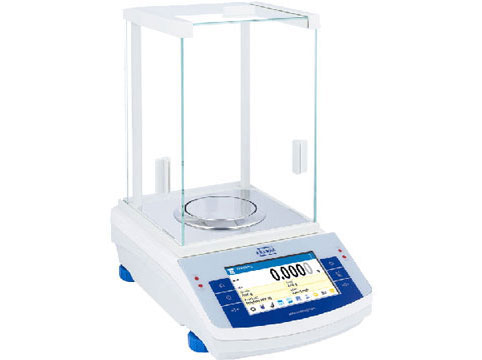
Balances
Laboratory Balances are used to measure the mass or weight of a sample accurately. They are used in various applications, including analytical chemistry, quality control, and materials science. Balances can be classified into several types, including analytical balances, top-loading balances, and moisture analyzers.
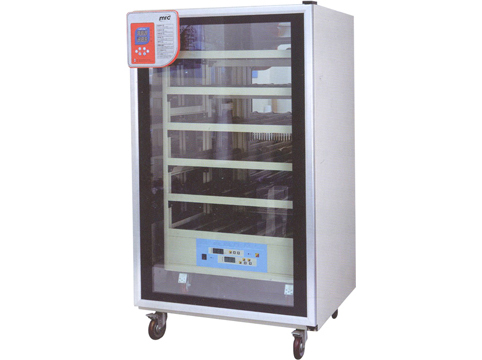
Laboratory Incubators
Laboratory Incubators used to grow and maintain cells, bacteria, and other microorganisms under controlled conditions. They are used in various applications, including cell culture, microbiology, and biochemistry. Incubators can be classified into several types, including CO2 incubators, shaking incubators, and refrigerated incubators.
Calibration Laboratory instruments
Calibration of laboratory instruments is a critical aspect of ensuring accurate and reliable measurements. Calibration involves comparing the measurement of an instrument to a known standard to determine its accuracy and making necessary adjustments to ensure its readings are within acceptable limits. Calibration should be performed regularly to ensure that laboratory instruments provide accurate and reliable data.