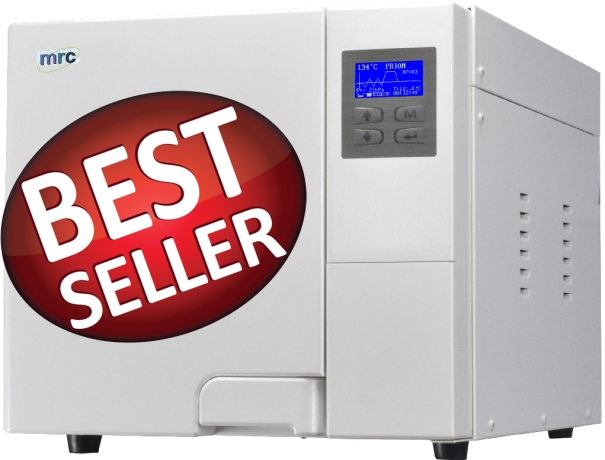
Laboratories, the epicenter of scientific discovery, demand meticulous hygiene standards. One key player ensuring this is the autoclave. Let's delve into the advantages of incorporating these sterilization marvels into laboratory practices.
What is an Autoclave?
To comprehend the advantages, it's vital to grasp the fundamentals. An Autoclave is a pressurized device utilizing steam to annihilate bacteria, viruses, and fungi, ensuring equipment and materials are free from contaminants.
Importance in Laboratories
The significance of autoclaves in laboratories cannot be overstated. Beyond sterilization, they contribute to a controlled environment crucial for accurate experimentation, fostering reliable scientific outcomes.
Sterilization Efficiency
The primary raison d'être of autoclaves lies in their unparalleled sterilization efficiency. These devices guarantee the eradication of even the most resilient microorganisms, safeguarding experiments from unwanted variables.
Time and Cost Savings
In the world of science, time is often synonymous with progress. Laboratory Autoclaves not only save time but also cut costs. The swift sterilization process allows for increased workflow, translating to more experiments and discoveries. Autoclaves offer a relatively quick and efficient sterilization process compared to alternative methods. The combination of high-pressure steam and elevated temperatures allows for rapid microbial inactivation. While the initial investment in an autoclave may be significant, the long-term cost-effectiveness is often high. Autoclaves are durable, and the cost per cycle for sterilization is generally lower compared to disposable methods.
Environmental Impact
Advancements in autoclave technology have led to eco-friendly models. These autoclaves minimize water and energy consumption, aligning with the global push for sustainable laboratory practices. Autoclaving is considered an environmentally friendly method of sterilization because it does not involve the use of chemicals that can be harmful to the environment. It relies on steam, which is a natural and non-toxic sterilizing agent.
Types of Autoclaves
Understanding the nuances between gravity and vacuum autoclaves is crucial. Each type caters to specific needs, and selecting the right one ensures optimal efficiency in sterilization processes.
Proper Autoclave Usage
Achieving the full benefits necessitates adherence to proper usage guidelines. From loading techniques to cycle selection, mastering the art of autoclave operation ensures effective sterilization without compromising equipment integrity.
Maintenance Tips
Ensuring longevity and optimal performance demands regular maintenance. Simple yet effective practices can extend the lifespan of autoclaves, safeguarding your investment in laboratory equipment.
Safety
Autoclaves are equipped with safety features, such as pressure and temperature monitoring, which help ensure that the sterilization process is carried out under controlled conditions. This reduces the risk of accidents and ensures the safety of laboratory personnel.
Effective Sterilization
Autoclaves use high-pressure steam to achieve effective sterilization. This method is highly efficient in killing bacteria, viruses, fungi, and spores, ensuring that laboratory equipment and materials are free from contaminants.
Versatility
Autoclaves can be used to sterilize a wide range of materials, including glassware, surgical instruments, media, and other laboratory supplies. This versatility makes them essential in various laboratory settings.
Dry Sterilization Option
Some autoclaves offer dry sterilization cycles, which are particularly useful for heat-sensitive materials. This option allows for the sterilization of items that may be damaged by moisture.