A tachometer is an instrument used to measure the rotational speed of a shaft or disk in an engine or other machinery. It provides real-time feedback on the speed at which the engine or machine is operating, often measured in revolutions per minute (RPM). Tachometers are crucial tools in various industries, including automotive, aviation, marine, and manufacturing.
How Does Tachometer Works
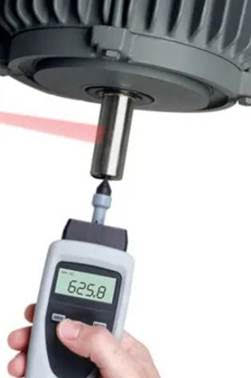
Tachometers operate on the principle of detecting and counting the number of rotations made by a rotating object within a specific time frame. They typically use sensors that monitor the movement of gears, magnets, or other rotating components. These sensors generate electrical signals that are converted into RPM readings on the display.
Types of Tachometers
There are two main types of tachometers: mechanical and electronic. Mechanical tachometers use a cable-driven system to transfer the rotational motion to the gauge, while electronic tachometers rely on electronic sensors and circuits to measure and display RPM. Within these categories, there are various subtypes, such as analog, digital, and combination.
Tachometers in Industrial Applications
Tachometers are important in industrial settings, where accurate RPM measurements are necessary for maintaining efficient machinery operations. They are used in various applications, such as generators, compressors, pumps, and conveyor systems. By monitoring the rotational speed of equipment, they help prevent equipment failures, optimize energy consumption, and ensure smooth production processes.
Benefits of Using Tachometers
Using tachometers offers several benefits across different industries. They allow for precise RPM measurements, enabling operators to maintain optimal operating conditions for machinery. Also aid in troubleshooting engine problems, identifying abnormal RPM fluctuations, and providing early warnings of potential issues. Moreover, they contribute to better fuel efficiency, reduced maintenance costs, and increased productivity.
Factors to Consider When Choosing a Tachometer
When selecting, there are a few factors to consider. These include the type of application, accuracy requirements, ease of installation, durability, and compatibility with existing systems. Additionally, the availability of extra features such as data logging, peak RPM memory, and programmable shift lights may influence the decision-making process.
Installing and Calibrating Tachometers
Proper installation and calibration are essential to ensure accurate readings from tachometers. The process may vary depending on the type and the specific application. It is crucial to follow the manufacturer's instructions and consult professional technicians if needed. Calibration procedures often involve adjusting settings, input signal scaling, and verifying RPM accuracy using reference standards.
Using Tachometers in the Laboratory
Laboratories often rely on precise measurements and monitoring of rotational speed in various experimental setups and equipment. It can be a valuable tools in such settings, providing accurate RPM readings for different applications. In this section, we will explore how tachometers can be effectively utilized in the laboratory environment.
Rotational Speed Measurement
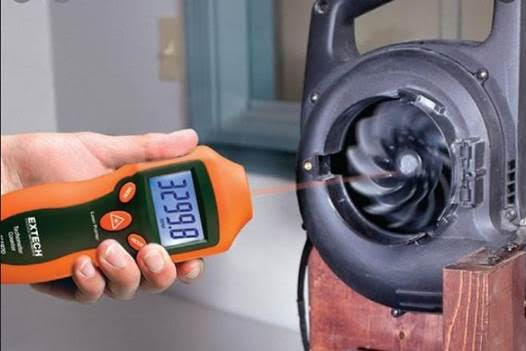
One of the primary uses in the laboratory is to measure the rotational speed of various laboratory equipment, such as centrifuges, mixers, stirrers, and motors. By knowing the exact RPM, researchers can ensure optimal operating conditions and maintain consistency in their experiments. Also help in determining the efficiency and performance of rotating equipment.
Monitoring and Control
Tachometers enable researchers to monitor the rotational speed of equipment in real-time. This is particularly important when conducting time-sensitive experiments or when precise control over the speed is required. By monitoring the RPM, researchers can make adjustments as needed, ensuring that the equipment operates within the desired range.
Calibration and Verification
Accurate measurement is paramount in laboratory research. They should be calibrated regularly to maintain their accuracy. Calibration involves comparing the tachometer readings with a known standard or reference tachometer. If any discrepancies are detected, adjustments can be made to the tachometer settings or the equipment being measured. Calibration certificates should be maintained for quality control and traceability purposes.