Analytical balances are indispensable tools in laboratories, ensuring precise measurements for a wide range of applications. This guide delves into the intricacies of analytical balances, offering comprehensive insights into their features, applications, and best practices. Analytical balances are high-precision instruments used to measure mass with an exceptional degree of accuracy, often to the nearest 0.0001 grams. These balances are crucial in laboratories where precise measurements are essential, such as in pharmaceutical, chemical, and environmental analysis.
Features
-High Precision and Accuracy: Analytical balances offer unparalleled precision, essential for quantitative chemical analysis.
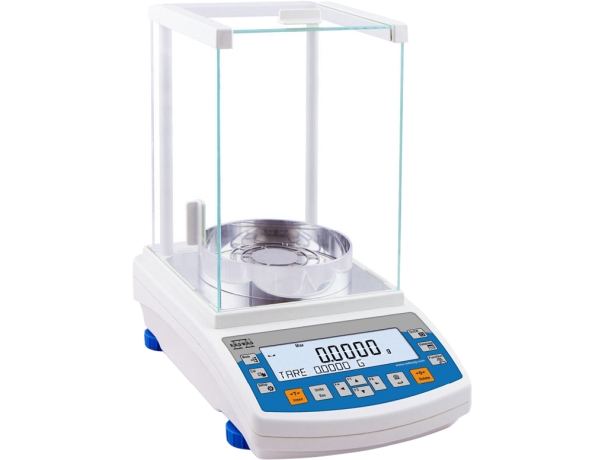
-Draft Shields: These balances are equipped with draft shields to prevent disturbances from air currents, ensuring accurate measurements.
-Automatic Calibration: Many modern analytical balances feature automatic calibration, enhancing measurement reliability.
-Tare Function: This function allows the user to reset the Laboratory balance to zero, facilitating the measurement of additional substances without recalculating the total mass.
-Digital Display: High-resolution digital displays provide clear and precise readouts.
Applications of Analytical Balances
Pharmaceutical Industry
In the pharmaceutical industry, They are used to measure active ingredients with precision, ensuring the correct formulation of medications. They are also employed in quality control processes to verify the consistency and potency of pharmaceutical products.
Chemical Analysis
Analytical balances are essential in chemical laboratories for quantitative analysis, where precise measurements of reagents are crucial for accurate experimental results. They are used in titrations, gravimetric analysis, and the preparation of standard solutions.
Environmental Monitoring
In environmental science, analytical balances measure trace elements and pollutants in soil, water, and air samples. Accurate measurements are vital for assessing environmental contamination and ensuring compliance with regulatory standards.
Biotechnology
In biotechnology, they are used to measure samples for genetic and biochemical assays. Precision is crucial in experiments involving DNA, RNA, and protein quantification.
Best Practices for Using Analytical Balances
Proper Setup and Calibration
- Stable Environment: Place the balance on a stable, vibration-free surface to avoid measurement errors.
- Level Surface: Ensure the balance is level to maintain accuracy.
- Regular Calibration: Calibrate the balance regularly using certified calibration weights to maintain accuracy.
Sample Handling
- Use Clean Containers: Always use clean, dry containers to prevent contamination.
- Avoid Overloading: Do not exceed the maximum capacity of the balance to prevent damage and inaccuracies.
- Minimize Handling: Use tweezers or gloves to handle samples, reducing the risk of introducing moisture or oils from the skin.
Environmental Considerations
- Control Air Currents: Use draft shields and minimize air currents around the balance.
- Stable Temperature: Maintain a consistent temperature in the room to avoid fluctuations in measurements.
- Humidity Control: Keep the humidity levels stable to prevent condensation on the balance and samples.
Maintaining Your Analytical Balance
Regular Cleaning
- Daily Maintenance: Wipe the balance with a soft, lint-free cloth to remove dust and debris.
- Deep Cleaning: Periodically dismantle the draft shields and clean the components using mild solvents, ensuring all parts are thoroughly dried before reassembly.
Periodic Servicing
- Professional Servicing: Schedule regular servicing by qualified technicians to check and maintain the balance’s accuracy and functionality.
- Software Updates: Keep the balance’s software updated to benefit from the latest features and improvements.
What is measured with Analytical Balances?
They are capable of measuring small mass in the sub-milligram range. Commonly used in laboratories, they are essential for tasks requiring high accuracy and precision, such as:
- Quantitative chemical analysis: Measuring precise amounts of chemicals for reactions.
- Formulation of pharmaceuticals: Ensuring accurate dosages of active ingredients.
- Quality control: Checking the consistency of products by measuring specific amounts.
- Research and development: Conducting experiments that require exact measurements of substances.
Analytical balances typically have a readability of 0.1 mg or better and are designed to account for environmental factors like air currents and temperature fluctuations that can affect the measurement
MUNRO Analytical Balances
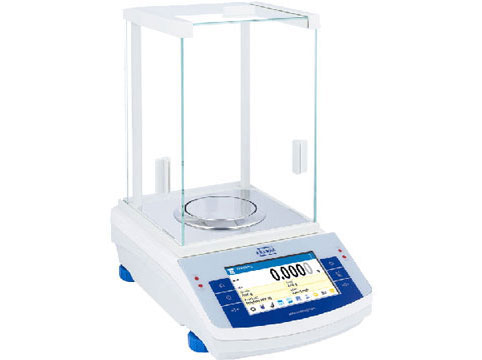
Munro Analytical Balances are precision instruments designed for measuring small masses with high accuracy. These balances are commonly used in laboratories for tasks that require exact measurements, such as in chemical analysis, quality control, and research. Here are some key features and benefits of Munro Analytical Balances:
- High Precision: Munro balances offer high precision and accuracy, often up to 0.0001 grams, making them suitable for analytical and micro-analytical work.
- User-Friendly Interface: They typically come with an intuitive interface, allowing users to perform measurements with ease and minimal training.
- Stability and Repeatability: Designed to provide stable readings and consistent performance, Munro balances ensure repeatability in measurements, which is crucial for scientific experiments and industrial applications.
- Durability: These balances are built with high-quality materials to withstand rigorous use in various environments, ensuring long-term reliability.
- Calibration Options: Munro balances often include features for easy calibration, whether it be internal or external, ensuring that the balance remains accurate over time.
- Connectivity: Many models are equipped with connectivity options like USB or RS232, allowing data transfer to computers or other devices for further analysis.
- Compact Design: Their compact design allows for easy placement on laboratory benches, saving valuable workspace.
- Additional Features: Advanced models may offer features such as automatic door operation, advanced weighing modes, and integration with software for data management and analysis.