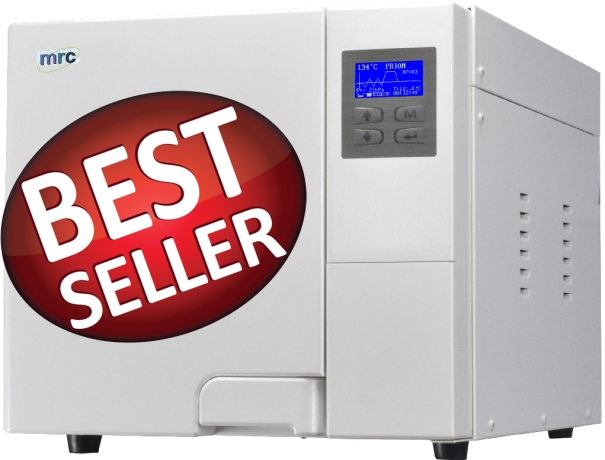
An autoclave is a specialized device used to sterilize medical equipment and surgical instruments through the application of high temperature and pressure. This process effectively kills bacteria, viruses, and other microorganisms, rendering the instruments safe for use.
The principle of operation of the Autoclave
Autoclaves operate by generating steam under pressure. The combination of high temperature and pressure ensures the complete destruction of microorganisms, making it a highly effective method of sterilization.
Types of Autoclaves
There are various types of autoclaves, each with its own advantages and applications. Steam autoclaves, dry heat autoclaves, and chemical autoclaves are among the most commonly used.
Steam Autoclaves
Steam autoclaves use pressurized steam to sterilize instruments. They are versatile and widely used in healthcare settings.
Dry Heat Autoclaves
Dry heat autoclaves employ high temperatures without moisture. They are suitable for materials that may be damaged by moisture.
Chemical Autoclaves
Chemical autoclaves use sterilizing chemicals, making them suitable for items sensitive to heat.
Why Are Autoclaves Essential for Surgical Instruments?
Surgical instruments come into direct contact with patients' bodies and bodily fluids. Ensuring their sterility is vital in preventing post-operative infections and complications.
Ensuring Proper Sterilization
Proper sterilization involves a series of meticulous steps, from instrument preparation to loading and operating the autoclave. Attention to detail is crucial.
Preparing Instruments
Before sterilization, instruments must be cleaned, disinfected, and inspected for any damage or residue.
Loading the Autoclave
Arranging instruments in a way that allows steam to circulate evenly is essential for effective sterilization.
Operating the Autoclave
Following manufacturer guidelines for temperature, pressure, and cycle duration is critical for success.
Monitoring and Validation
To ensure the autoclave is working correctly, regular monitoring and validation are necessary.
Biological Indicators
Biological indicators, such as spore tests, confirm the effectiveness of the sterilization process.
Chemical Indicators
Chemical indicators, like temperature-sensitive tape, provide a quick visual confirmation of exposure to proper conditions.
Maintenance and Calibration
Regular maintenance and calibration are vital to keep autoclaves operating efficiently and reliably.