Laboratory equipment is the backbone of research and development in the fields of biological and chemical engineering. Whether you're analyzing DNA sequences or synthesizing new compounds, having the right tools at your disposal is crucial. This article will guide you through the essential laboratory equipment every biological and chemical engineer should have. From basic tools to advanced machinery, we’ll cover everything you need to set up a well-equipped lab.
Laboratory Equipment for Biological Engineers
Microscopes
Microscopes are indispensable in any biological lab. They come in various types, including light microscopes, electron microscopes, and fluorescence microscopes, each serving unique purposes. Light microscopes are commonly used for viewing live cells and tissues, while electron microscopes offer high-resolution imaging for detailed cellular structures. Fluorescence microscopes, on the other hand, are perfect for observing specific proteins and cellular components tagged with fluorescent markers.
Centrifuges
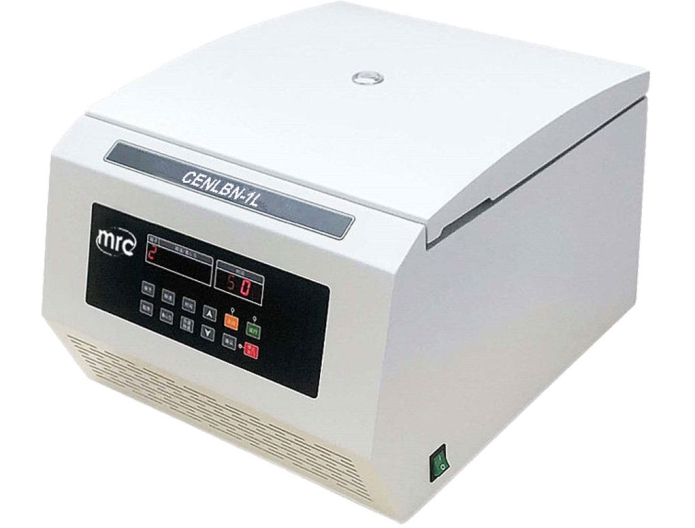
Centrifuges are essential for separating different components of a sample based on density. They range from small benchtop models to large floor-standing machines. In biological engineering, Laboratory centrifuges are used for tasks like cell fractionation, DNA extraction, and protein purification. High-speed and ultracentrifuges are particularly important for separating sub-cellular components and macromolecules.
Spectrophotometers
Spectrophotometers measure the intensity of light absorbed by a sample at specific wavelengths. They are crucial for quantifying nucleic acids, proteins, and other biomolecules. UV-Vis spectrophotometers are commonly used in biological labs for their ability to analyze a wide range of samples. More advanced models, like fluorescence spectrophotometers, offer enhanced sensitivity and specificity for complex analyses.
Autoclaves
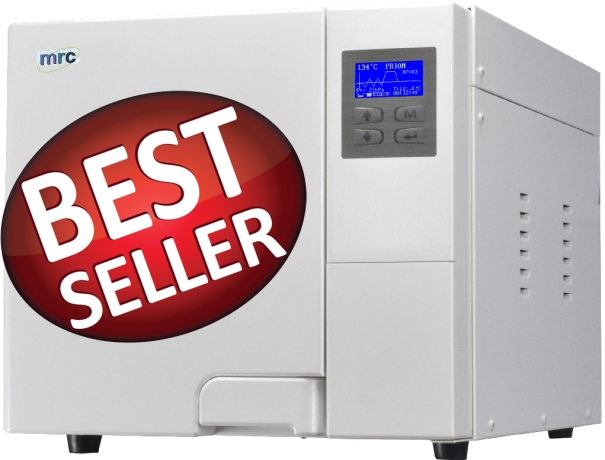
Sterilization is a critical aspect of biological research, making autoclaves indispensable. These devices use high-pressure steam to sterilize equipment, media, and other lab materials. Depending on your lab’s needs, you can choose from various types of autoclaves, such as gravity displacement, pre-vacuum, and benchtop models. Regular autoclaving ensures a contaminant-free environment, which is vital for accurate experimental results.
PCR Machines
Polymerase chain reaction (PCR) machines amplify DNA sequences, making them essential for genetic research and diagnostics. Key features to look for in a PCR machine include rapid heating and cooling rates, programmable protocols, and high throughput capabilities. Real-time PCR machines, or qPCR, allow for quantitative analysis of DNA, providing valuable insights into gene expression and mutation detection.
Laboratory Equipment for Chemical Engineers
Reactors
Chemical reactors are used to carry out chemical reactions under controlled conditions. Lab-scale reactors come in various types, such as batch reactors, continuous stirred-tank reactors (CSTR), and plug flow reactors (PFR). These reactors are crucial for studying reaction kinetics, thermodynamics, and optimizing reaction conditions. The choice of reactor depends on the specific requirements of the experiment and the nature of the chemical reactions involved.
Distillation Apparatus
Distillation is a fundamental separation technique used in chemical engineering. Distillation apparatuses, such as simple distillation, fractional distillation, and vacuum distillation setups, are essential for purifying liquids and separating components based on boiling points. This Laboratory equipment is vital for processes like solvent recovery, refining chemicals, and producing high-purity substances.
Chromatography Systems
Chromatography is a powerful technique for separating and analyzing complex mixtures. Chromatography systems include gas chromatography (GC), high-performance liquid chromatography (HPLC), and thin-layer chromatography (TLC). These systems are used to identify, quantify, and purify chemical compounds. They are essential for quality control, drug development, and environmental analysis.
Calorimeters
Calorimeters measure the heat changes associated with chemical reactions, providing insights into reaction energetics. Bomb calorimeters and differential scanning calorimeters (DSC) are commonly used in chemical engineering labs. They help in studying combustion reactions, phase transitions, and specific heat capacities of substances, which are critical for process development and optimization.
Titration Equipment
Titration is a quantitative analytical technique used to determine the concentration of an unknown solution. Equipment for titration includes burettes, pipettes, and titrators. There are various titration methods, such as acid-base titration, redox titration, and complexometric titration. Accurate titration is essential for product formulation, quality control, and research purposes.
Common Laboratory Equipment for Both Disciplines
Fume Hoods
Safety is paramount in any laboratory, making fume hoods essential. They protect users from hazardous fumes, vapors, and dust by ventilating them out of the lab. There are various types of fume hoods, including ducted, ductless, and specialized hoods for specific applications. Proper use of fume hoods ensures a safe working environment and compliance with safety regulations.
Balances
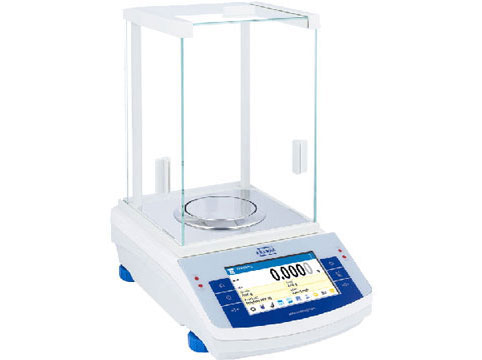
Accurate measurement of mass is crucial in both biological and chemical labs. Laboratory Balances range from analytical balances, which provide high precision for small masses, to top-loading balances for larger samples. Ensuring the accuracy of your balance through regular calibration is important for reliable experimental results.
Pipettes and Dispensers
Precise liquid handling is vital in many lab procedures. Pipettes and dispensers come in various types, including single-channel, multi-channel, and electronic pipettes. They are used for tasks like sample preparation, reagent addition, and serial dilutions. Choosing the right pipette and maintaining its accuracy through calibration is key to experimental success.
pH Meters
pH meters measure the acidity or alkalinity of a solution, which is critical in many biological and chemical processes. There are benchtop and portable pH meters, with features like automatic temperature compensation and data logging. Regular calibration with standard buffer solutions ensures accurate and reliable pH measurements.
Laboratory Glassware
Glassware is ubiquitous in any lab setting. Common types include beakers, flasks, graduated cylinders, and pipettes. Borosilicate glass is preferred for its thermal and chemical resistance. Proper cleaning and handling of glassware are essential to avoid contamination and ensure the accuracy of experiments.
Advanced Equipment for Cutting-Edge Research
Mass Spectrometers
Mass spectrometers are used for molecular analysis, identifying compounds by their mass-to-charge ratio. They are essential in both biological and chemical research for applications like proteomics, metabolomics, and drug development. Advanced mass spectrometry techniques provide high sensitivity and specificity, enabling detailed molecular characterization
NMR Spectrometers
Nuclear Magnetic Resonance (NMR) spectrometers are crucial for determining the structure of organic compounds. They work by detecting the magnetic properties of atomic nuclei. In biological engineering, NMR spectrometry is used to study protein structures and dynamics. In chemical engineering, it helps in understanding the molecular composition of compounds. Features to look for in an NMR spectrometer include high-field magnets and multi-nuclear capabilities.
X-ray Diffraction Systems
X-ray diffraction (XRD) systems are used to analyze the crystal structure of materials. They provide information about the arrangement of atoms within a crystal, which is vital for understanding material properties. In biological research, XRD is used for protein crystallography. In chemical engineering, it helps in studying catalysts, polymers, and complex inorganic compounds. Advanced XRD systems offer high resolution and the ability to analyze small and complex samples.