Biological laboratories rely on specialised equipment to observe, prepare, separate, cultivate, store and analyse biological samples.
The equipment required will depend on the type of laboratory, the samples being handled and the research or testing methods being performed. A microbiology laboratory, for example, may require incubators, autoclaves and biological safety cabinets, while a molecular biology laboratory may focus more heavily on centrifuges, thermal cyclers and nucleic acid preparation equipment.
Selecting suitable biological laboratory equipment is essential for achieving reliable results, maintaining safe working procedures and supporting efficient laboratory workflows.
This guide explains the main types of biological laboratory instruments and the factors that should be considered when selecting equipment for a UK laboratory.
What Is Biological Laboratory Equipment?
Biological laboratory equipment includes instruments and systems used to study living organisms, cells, tissues, microorganisms and biological materials.
The term covers a wide range of products, from basic mixing and temperature-control equipment to advanced systems used for cell culture, microbiology and molecular biology.
Common applications include:
- Microbiology
- Cell biology
- Molecular biology
- Genetics
- Biotechnology
- Biomedical research
- Pharmaceutical research
- Clinical laboratories
- Food microbiology
- Environmental biology
- Plant science and agriculture
- Education and university laboratories
The correct combination of instruments depends on the laboratory's procedures, sample volumes, safety requirements and required level of accuracy.
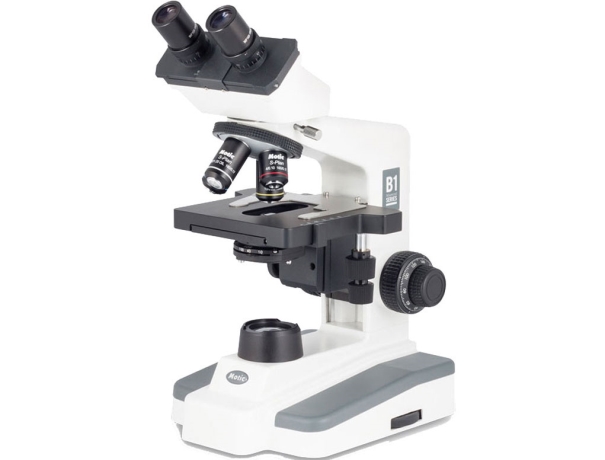
Microscopes for Biological Laboratories
Microscopes are among the most important instruments in biological research and education.
They allow laboratory users to examine cells, tissues, microorganisms and other structures that cannot be adequately observed with the naked eye.
Common microscope types include:
Compound Microscopes
Compound microscopes are widely used for examining prepared slides, cells, bacteria, tissues and other small biological samples.
Important selection factors include:
- Magnification range
- Objective quality
- Illumination system
- Optical configuration
- Camera compatibility
- Ergonomic design
Stereo Microscopes
Stereo microscopes provide a lower-magnification, three-dimensional view and are suitable for larger specimens, dissection and sample preparation.
Inverted Microscopes
Inverted microscopes are commonly used when samples are viewed from below, particularly for cell cultures grown in vessels or plates.
The MUNRO Scientific website includes a dedicated microscope category suitable for different biological and laboratory applications.
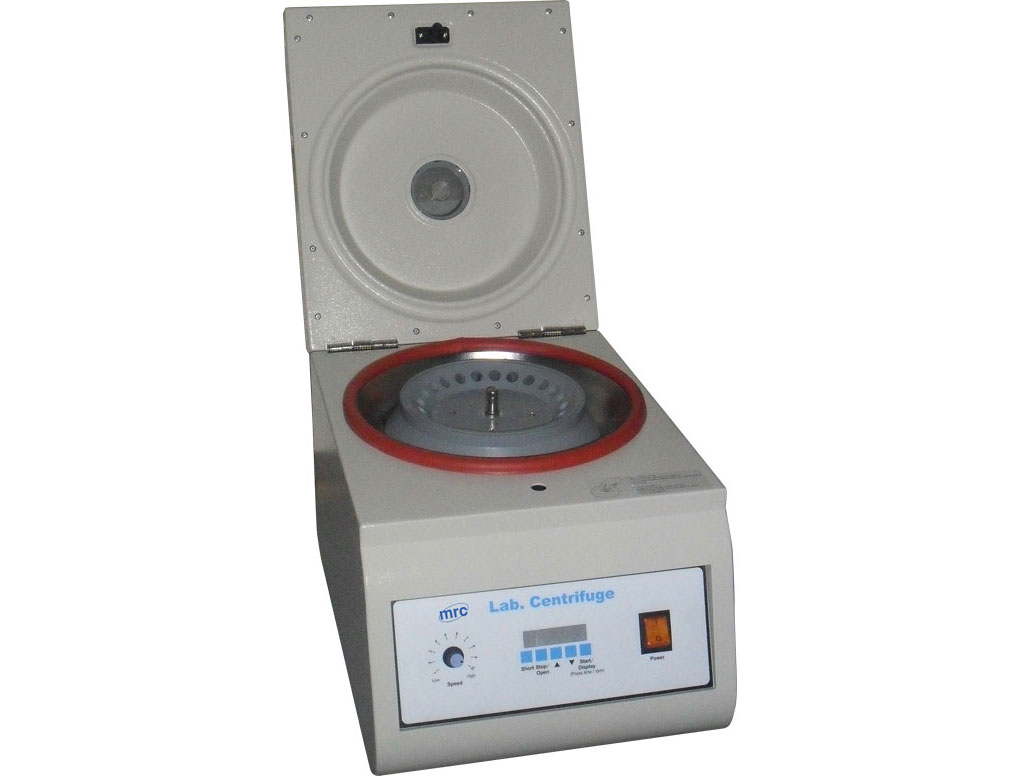
Laboratory Centrifuges
Laboratory Centrifuges separate components within a sample according to factors such as density, particle size and applied centrifugal force.
They are commonly used in biological laboratories for:
- Separating cells from liquids
- Preparing blood and serum samples
- Isolating nucleic acids
- Collecting precipitates
- Processing microtubes and laboratory tubes
- Separating cellular components
When selecting a centrifuge, laboratories should consider:
- Required relative centrifugal force
- Maximum rotor speed
- Tube size and capacity
- Fixed-angle or swinging-bucket rotor
- Refrigeration requirements
- Number of samples processed per cycle
- Safety features and rotor compatibility
The MUNRO centrifuge range includes low-speed, high-speed, refrigerated, microcentrifuge and specialised models for different tube sizes and applications.
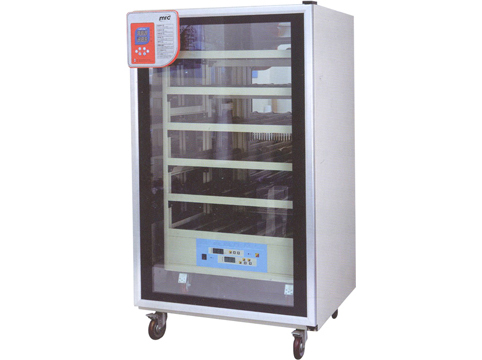
Laboratory Incubators
Laboratory incubators provide controlled temperature conditions for the growth and maintenance of biological samples and microorganisms.
They are commonly used for:
- Microbial cultures
- Biological assays
- Sample incubation
- Pharmaceutical testing
- Food microbiology
- Research and educational applications
Key factors to assess include:
- Temperature range
- Temperature uniformity
- Chamber capacity
- Recovery time after opening
- Alarm functions
- Data logging
- Cleaning requirements
The laboratory incubator range on the site includes equipment intended for different capacities and controlled-temperature applications.
CO2 Incubators
CO2 incubators provide controlled temperature, carbon dioxide concentration and, depending on the model, humidity conditions.
They are commonly associated with cell culture and applications that require a stable controlled atmosphere.
Important selection criteria include:
- CO2 control range and accuracy
- Temperature stability
- Chamber volume
- Humidity management
- Contamination-control features
- Sensor technology
- Alarm and monitoring systems
MUNRO Scientific lists a dedicated range of CO2 incubators for controlled laboratory applications.
Biological Safety Cabinets
Biological safety cabinets are used when laboratory procedures require controlled containment and protection.
The correct cabinet must be selected according to the biological agents involved, the procedures being performed and the required level of protection.
Depending on cabinet type and application, a biological safety cabinet may help protect:
- Laboratory personnel
- Samples and cultures
- The surrounding environment
A cabinet should not be selected solely according to size or price. The laboratory must first perform an appropriate risk assessment and define the required containment measures. HSE guidance emphasises the importance of suitable controls for work involving biological agents.
Autoclaves
Autoclaves use high-temperature steam under pressure to sterilise suitable laboratory materials and loads.
In biological laboratories, they may be used for:
- Glassware
- Culture media
- Reusable instruments
- Suitable laboratory materials
- Contaminated biological waste
- Selected liquids and solids
The appropriate autoclave depends on the load type, chamber capacity, required cycle and laboratory workflow.
Available options may include benchtop, vertical, Class N and Class B systems. The site's autoclave range includes models intended for laboratories, medical facilities, universities and other applications.
Water Baths and Temperature-Control Equipment
Laboratory water baths provide controlled and uniform heating for samples placed in water.
They are commonly used for:
- Sample incubation
- Reagent warming
- Temperature-sensitive procedures
- Thawing suitable samples
- Maintaining samples at a defined temperature
When choosing a water bath, consider the required temperature range, chamber capacity, temperature stability, circulation requirements and ease of cleaning.
MUNRO Scientific lists laboratory water baths for a range of temperature-control applications.
Shakers, Vortex Mixers and Magnetic Stirrers
Mixing equipment is used throughout biological laboratories for sample preparation, suspension and agitation.
Vortex Mixers
Vortex mixers are designed for rapid mixing of liquids in tubes and small containers.
Selection factors include:
- Speed range
- Continuous or touch operation
- Tube and vessel compatibility
- Available attachments
- Stability during operation
Laboratory Shakers
Laboratory shakers are used for controlled agitation of flasks, bottles, plates and other containers.
Common designs include orbital, reciprocal, rocking and incubator shakers.
Magnetic Stirrers
Magnetic stirrers use a rotating magnetic field and stir bar to mix compatible liquid samples.
The site's magnetic stirrer range includes single-position and multi-position models across different mixing capacities.
Refrigerators, Freezers and Cryogenic Storage
Biological samples, cultures and reagents often require controlled-temperature storage.
The required equipment may include:
- Laboratory refrigerators
- Standard laboratory freezers
- Ultra-low temperature freezers
- Vaccine freezers
- Cryogenic storage systems
Selection should be based on:
- Required temperature range
- Storage capacity
- Temperature uniformity
- Alarm systems
- Backup and monitoring requirements
- Access frequency
- Recovery time after opening
- Sample value and risk
The wider MUNRO laboratory equipment range includes refrigerators, freezers and cryogenic storage products.
Sample Preparation Equipment
Reliable biological analysis often depends on consistent sample preparation.
Relevant equipment may include:
- Homogenisers
- Blenders
- Mills
- Bead beaters
- Pipettes
- Peristaltic pumps
- Filtration systems
- Ultrasonic processors
- Freeze dryers
- Nucleic acid purification systems
The appropriate equipment depends on the sample type, required processing volume and downstream analytical method.
For example, a homogeniser may be required to break down tissues, while a centrifuge may be used later to separate the resulting components.
Equipment for Microbiology Laboratories
Microbiology laboratories may require additional systems to support the cultivation, observation and safe handling of microorganisms.
Typical equipment may include:
- Laboratory incubators
- Biological safety cabinets
- Autoclaves
- Colony counters
- Microscopes
- Shakers
- Vortex mixers
- Anaerobic chambers
- Water baths
- Refrigerators and freezers
The final equipment specification should be based on the microorganisms handled, the procedures undertaken and the laboratory's biosafety risk assessment.
How to Select Biological Laboratory Equipment
Selecting equipment should begin with a detailed review of the intended application.
Define the Sample and Procedure
Identify:
- Sample type
- Sample volume
- Required preparation steps
- Required environmental conditions
- Number of samples processed
- Expected frequency of use
Review Technical Performance
Depending on the equipment, important specifications may include:
- Temperature accuracy
- Speed and centrifugal force
- Measurement resolution
- Chamber uniformity
- Mixing capacity
- Storage stability
- Recovery time
- Alarm performance
Consider Safety Requirements
Equipment used for biological materials must be suitable for the risks associated with the procedure.
Laboratories should consider containment, aerosol generation, contamination control, safe loading and unloading, decontamination and emergency procedures. HSE guidance recommends risk-based controls for planned work involving biological agents.
Check Installation Requirements
Before ordering equipment, confirm:
- Equipment dimensions
- Available bench or floor space
- Electrical requirements
- Ventilation
- Water and drainage
- Gas connections
- Heat output
- Delivery access
Consider Calibration and Monitoring
Equipment that measures or controls parameters such as temperature, speed, weight or gas concentration may require routine checking, calibration or validation.
The required level of monitoring depends on the procedure, quality system and importance of the results.
Review Maintenance and Support
Before purchasing, confirm:
- Warranty conditions
- Availability of spare parts
- Preventive maintenance requirements
- Cleaning and decontamination procedures
- Technical support availability
- Training requirements
- Expected equipment lifetime
Common Purchasing Mistakes
Common mistakes when purchasing biological laboratory equipment include:
- Selecting equipment without defining the application
- Choosing capacity based only on current demand
- Ignoring safety and containment requirements
- Purchasing a centrifuge without confirming rotor compatibility
- Selecting an incubator without assessing temperature recovery
- Confusing a clean bench with a biological safety cabinet
- Failing to plan calibration and maintenance
- Overlooking installation requirements
- Purchasing from a supplier without suitable technical support
Biological Laboratory Equipment from MUNRO Scientific
MUNRO Scientific supplies laboratory equipment for biological research, microbiology, life sciences, education and related laboratory applications in the UK.
The available range includes microscopes, centrifuges, incubators, autoclaves, biological safety cabinets, freezers, shakers, water baths and sample preparation equipment.
Contact MUNRO Scientific to discuss your application and identify suitable equipment for your biological laboratory.