Biotechnology is a fascinating and rapidly advancing field that merges biology and technology to develop innovative solutions in medicine, agriculture, and environmental science. Whether you're a seasoned biotechnologist or just starting your journey, having the right laboratory equipment is crucial. The quality and precision of your tools can significantly impact the success of your experiments and research. Let's dive into the essential laboratory equipment every biotechnologist should have.
Laboratory Equipment for Biotechnologists
Microscopes
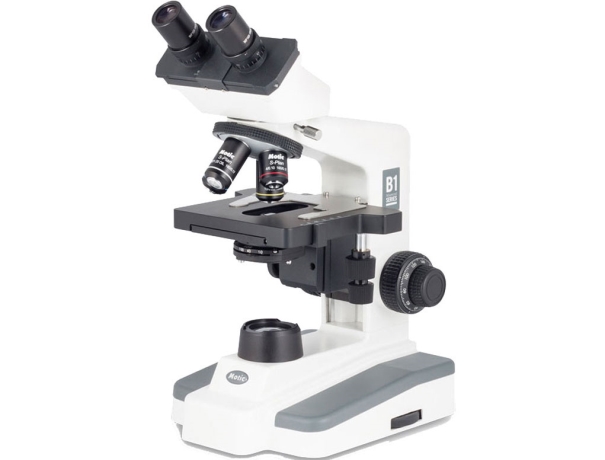
Microscopes are the cornerstone of any biotech lab. They allow you to observe cells, bacteria, and other microorganisms that are invisible to the naked eye.
Types of Microscopes
There are various types of microscopes, each serving a unique purpose. Light microscopes are common for general observation, while electron microscopes provide high-resolution images of smaller structures. Fluorescence microscopes are perfect for viewing fluorescently labeled specimens, giving you detailed insights into molecular and cellular functions.
Importance in Biotechnology
Microscopes are indispensable in biotechnology. They help in understanding cell structures, observing the effects of various treatments, and much more. With advancements in microscopy technology, the level of detail and precision you can achieve has never been greater.
Centrifuges
Centrifuges are used to separate components of a mixture based on their density. This separation is crucial for many biotech applications.
Different Types of Centrifuges
There are several types of laboratory centrifuges, including microcentrifuges, high-speed centrifuges, and ultracentrifuges. Each type is suited for different applications, from small volume separations to large-scale industrial uses.
Applications in Biotech Labs
Centrifuges are used for isolating cells, purifying nucleic acids, and preparing samples for further analysis. Their ability to quickly and efficiently separate mixtures makes them a staple in biotech laboratories.
Autoclaves
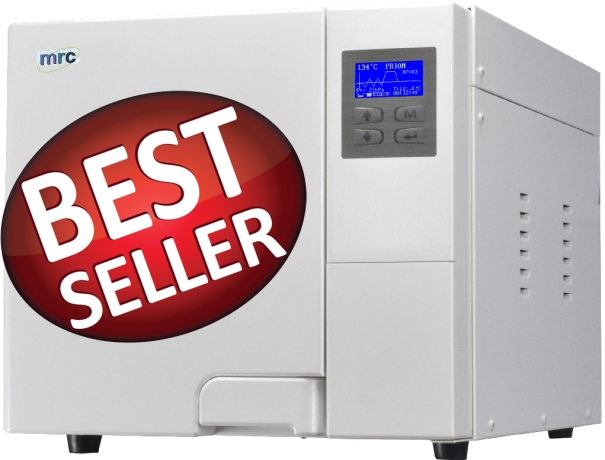
Sterilization is a critical process in any laboratory to avoid contamination. Autoclaves use high-pressure steam to sterilize equipment and media.
Sterilization Process
The sterilization process involves placing items in the autoclave, where they are exposed to high-pressure steam at temperatures of around 121 degrees Celsius. This process kills all forms of microbial life, ensuring that your lab environment remains sterile.
Essential for Laboratory Safety
Using an autoclave is essential for maintaining a safe and contamination-free laboratory. It ensures that all glassware, media, and instruments are free from any microbial life before use.
PCR Machines
PCR (Polymerase Chain Reaction) machines are used to amplify DNA, making millions of copies of a specific DNA sequence.
Understanding PCR
Pcr Thermal Cycler is a technique that allows biotechnologists to take a small sample of DNA and amplify it to a quantity sufficient for analysis. This process is vital for genetic research, diagnostics, and forensic science.
Uses in Biotechnology
PCR machines are used in a wide range of applications, including cloning, gene expression analysis, and mutation detection. Their ability to quickly and accurately amplify DNA makes them invaluable in modern biotech labs.
Gel Electrophoresis Apparatus
Gel electrophoresis is a method used to separate DNA, RNA, or proteins based on their size and charge.
How Gel Electrophoresis Works
The process involves applying an electric current to a gel matrix. DNA fragments move through the gel at different speeds, allowing them to be separated and analyzed. This technique is often used to verify the results of PCR.
Importance in DNA Analysis
Gel electrophoresis is crucial for analyzing genetic material. It allows researchers to visualize DNA fragments, determine their size, and verify the success of molecular cloning experiments.
Spectrophotometers
Spectrophotometers measure the amount of light that a sample absorbs. This measurement is used to determine the concentration of a substance in the sample.
Types of Spectrophotometers
There are several types of spectrophotometers, including UV-Vis, fluorescence, and infrared spectrophotometers. Each type is used for different applications, from measuring DNA concentration to analyzing protein interactions.
Applications in Biotech Research
Spectrophotometers are used in various applications, such as measuring nucleic acid and protein concentrations, enzyme kinetics, and more. Their versatility and accuracy make them essential for quantitative analysis in biotech research.
Flow Cytometers
Flow cytometers analyze the physical and chemical properties of particles in a fluid as it passes through at least one laser.
Working Principle
Flow cytometry involves labeling cells with fluorescent markers and passing them through a laser beam. The scattered light and emitted fluorescence are measured, providing detailed information about the physical and chemical properties of the cells.
Applications in Cell Analysis
Flow cytometers are used in cell sorting, biomarker detection, and protein engineering. They are invaluable for analyzing large populations of cells quickly and accurately.
Mass Spectrometers
Mass spectrometers identify the amount and type of chemicals present in a sample by measuring the mass-to-charge ratio of ions.
Basics of Mass Spectrometry
The process involves ionizing chemical compounds to generate charged molecules or molecule fragments and measuring their mass-to-charge ratios. This technique provides precise molecular weight information and structural insights.
Importance in Proteomics
Mass spectrometry is crucial in proteomics for identifying and quantifying proteins in complex samples. It helps in understanding protein function, structure, and interactions, which is essential for drug development and disease research.
Next-Generation Sequencers
Next-generation sequencing (NGS) technologies have revolutionized genomics by allowing the sequencing of entire genomes rapidly and affordably.
Sequencing Technology
NGS involves sequencing millions of DNA fragments simultaneously, providing high-throughput and detailed genetic information. This technology has drastically reduced the time and cost of sequencing.
Revolutionizing Genomics
Next-generation sequencers have transformed many fields, including medical diagnostics, personalized medicine, and evolutionary biology. They enable comprehensive studies of genetic variation and function on an unprecedented scale.