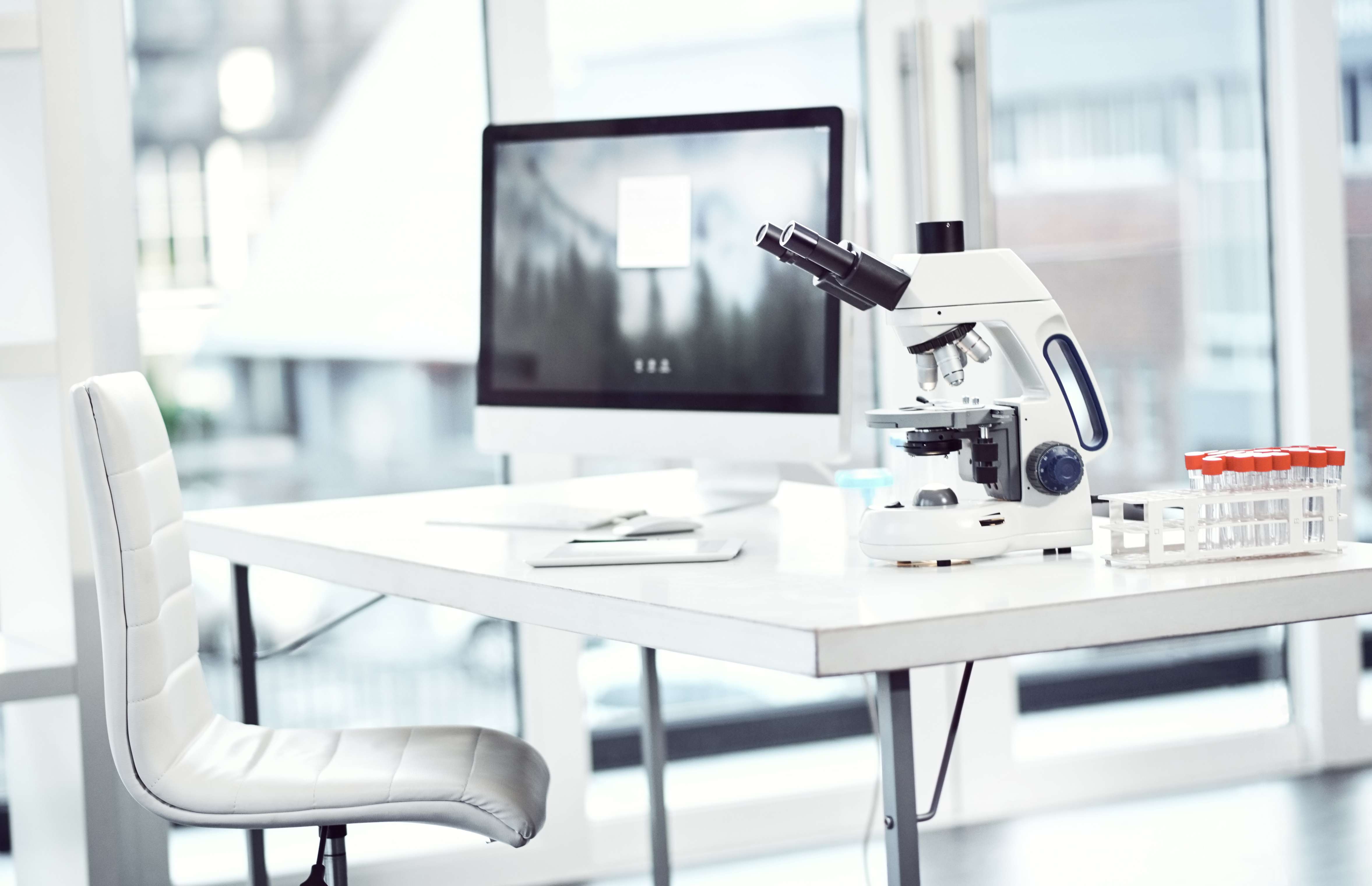
Building a microbiology laboratory requires careful planning, dedication, and attention to detail. This article will guide you through the various stages of establishing your lab, from conceptualization to operation. Let's dive into the specifics and create a space where groundbreaking discoveries can happen.
Defining Your Research Focus
Before setting up your laboratory, it's crucial to define your research focus. Are you interested in medical microbiology, environmental microbiology, or industrial applications? Clearly outlining your objectives will guide your equipment and supply choices.
Selecting an Appropriate Space
Choose a space that meets the requirements of your research and offers room for expansion. Consider factors like accessibility, ventilation, and proximity to other research facilities.
Microbiology Laboratory Equipment
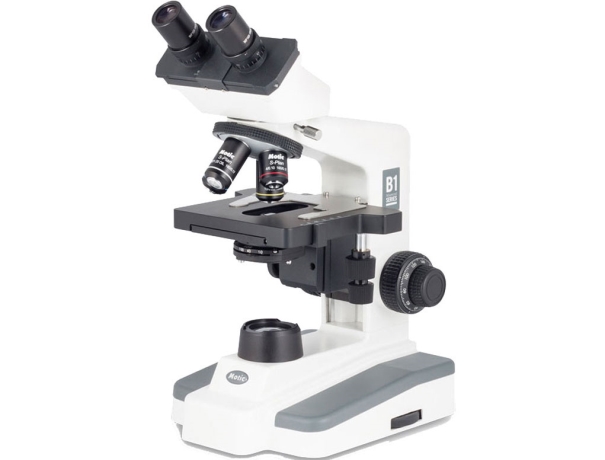
Choose Products for Microbiology Laboratories. Microscopes, culture media, pipettes, and safety gear are just a few essentials that will facilitate your research In choosing laboratory equipment.
Designing the Layout for Efficiency
Optimize your lab's layout to enhance workflow and efficiency. Keep safety in mind and arrange workstations logically for a smooth research process.
Setting Up Workstations
Different research tasks require different setups. Create designated workstations for microscopy, culturing, and data analysis to streamline your work.
Electrical and Ventilation Considerations
Microbiology labs rely on specialized electrical and ventilation systems. Ensure that your lab meets the necessary requirements to maintain a controlled and safe environment.
Ensuring Laboratory Safety
Safety is paramount in a microbiology lab. Adhere to biosafety level classifications, implement waste management protocols, and provide proper training to lab personnel.
Procuring High-Quality Microbial Cultures
Obtaining reliable microbial cultures is essential for accurate research. Collaborate with reputable culture collections or learn how to isolate and maintain cultures yourself.
Maintaining and Monitoring Laboratory Conditions
Microorganisms are sensitive to environmental changes. Regularly monitor and maintain temperature, humidity, and sterility to ensure the integrity of your research.
Collaborative Spaces and Knowledge Sharing
Foster collaboration by designing communal areas where researchers can exchange ideas. Sharing knowledge can lead to unexpected breakthroughs.
Funding Your Microbiology Laboratory
Establishing a lab requires financial investment. Explore grant opportunities, partnerships, or crowdfunding to secure the necessary funding.
Embracing Technological Advancements
Stay current with technological advancements in microbiology. Laboratory information management systems and automation tools can streamline your processes.
Training and Skill Development
Equip yourself and your team with the necessary skills. Attend workshops, seminars, and training sessions to stay updated on the latest techniques and methodologies.