Chemistry laboratory apparatus refers to the diverse range of tools and equipment used in chemical experiments and analyses. These apparatus facilitate the measurement, containment, heating, and manipulation of substances, allowing scientists to conduct precise experiments and obtain accurate results. Whether it's a high school chemistry class or a state-of-the-art research facility, the proper use of laboratory equipment is vital for successful scientific exploration.
The necessity of using Chemistry Laboratory Apparatus
The significance of chemistry laboratory apparatus cannot be overstated. These tools enable scientists to observe and manipulate chemical substances, investigate their properties, and draw meaningful conclusions. Laboratory apparatus ensures accuracy and precision in experiments, allowing researchers to replicate their findings and contribute to scientific knowledge. Without these essential tools, many groundbreaking discoveries and advancements in chemistry would not have been possible.
Basic Chemistry laboratory apparatus
Glassware
Glassware forms the backbone of any chemistry laboratory. It includes beakers, test tubes, flasks, pipettes, and graduated cylinders, among others. Each type of glassware serves a specific purpose, facilitating the precise measurement, mixing, and containment of substances. Beakers are commonly used for general mixing and heating, while test tubes are ideal for small-scale reactions. Flasks, on the other hand, are designed for holding and storing liquids, while pipettes ensure accurate volume measurements.
Heating Equipment
Heating equipment is crucial for carrying out various chemical reactions and processes. Bunsen burners, hot plates, and heating mantles are commonly used to provide controlled heat to substances. Bunsen burners generate an open flame, whereas hot plates offer a flat, heated surface. Heating mantles consist of an electric heating element enclosed in a fabric shell, providing even and consistent heating for delicate experiments.
Measuring Equipment
Accurate measurement is essential in chemistry experiments. Measuring equipment such as balances and scales ensure precise mass determination. Graduated cylinders, burettes, and volumetric flasks aid in the measurement of liquid volumes. Additionally, pH meters and conductivity meters assist in the measurement of acidity, alkalinity, and electrical conductivity of solutions.
Safety Equipment
Safety should be a top priority in any chemistry laboratory. Safety equipment, including goggles, lab coats, gloves, and fume hoods, protect scientists from potential hazards. Goggles shield the eyes from chemical splashes, while lab coats safeguard clothing from spills and splatters. Gloves provide hand protection, and fume hoods effectively remove harmful gases and fumes, ensuring a safe working environment.
Advanced Chemistry laboratory apparatus
While basic laboratory equipment forms the foundation of a chemistry lab, advanced instruments enhance the capabilities and accuracy of scientific experiments. These sophisticated devices offer precise measurements, sophisticated analyses, and advanced data processing. Here are some examples of advanced laboratory equipment:
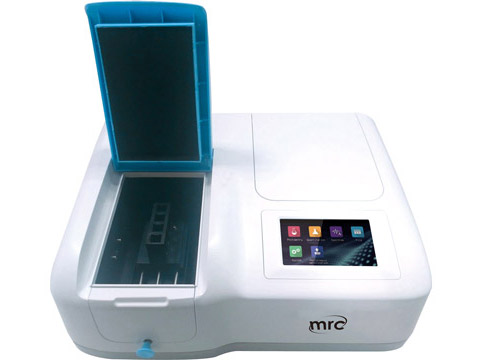
Spectrophotometers
Spectrophotometers are essential tools for analyzing the absorption and transmission of light by chemical substances. They are used to determine the concentration of solutions, identify unknown substances, and investigate the properties of compounds. Spectrophotometers find applications in various fields, including pharmaceuticals, environmental monitoring, and biochemistry.
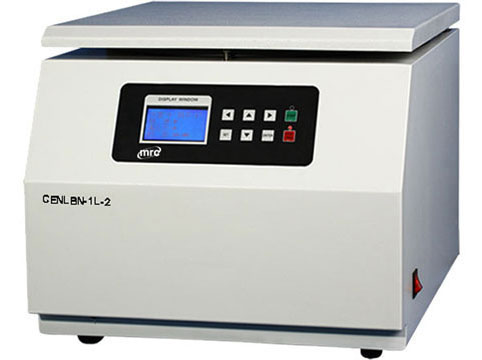
Centrifuges
Centrifuges are used to separate components of mixtures based on their density and size. They employ centrifugal force to spin samples at high speeds, causing heavier particles to settle at the bottom while lighter ones remain at the top. Centrifuges are widely utilized in chemistry labs for separating solid particles from liquids, isolating specific substances, and studying cell components.
Chromatography Systems
Chromatography systems are versatile instruments used to separate, identify, and analyze complex mixtures. Gas chromatography (GC) and liquid chromatography (LC) are two common techniques employed in chemistry labs. These systems enable researchers to separate and quantify individual components within a mixture, making them invaluable for chemical analysis, drug testing, and forensic investigations.
NMR Spectrometers
Nuclear Magnetic Resonance (NMR) spectrometers provide detailed information about the structure, composition, and dynamics of molecules. By subjecting samples to strong magnetic fields and radiofrequency radiation, NMR spectrometers generate spectra that reveal the chemical environment of atoms in a compound. This information is crucial for identifying substances, studying molecular interactions, and elucidating reaction mechanisms.
Specialized Laboratory Equipment
In addition to basic and advanced laboratory equipment, specialized apparatus serves specific purposes in chemistry labs. These tools cater to unique requirements and specialized research areas. Here are some examples:
Autoclaves
Autoclaves are high-pressure chambers used to sterilize equipment and media by subjecting them to high temperatures and steam. They are essential in microbiology, biochemistry, and medical laboratories for ensuring a sterile working environment and preventing contamination.
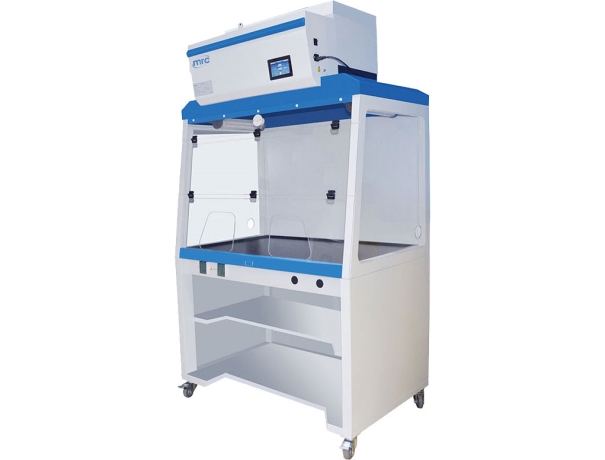
Fume Hoods
Fume hoods are ventilation systems designed to remove and contain hazardous fumes, vapors, and gases generated during chemical experiments. They provide a safe workspace by preventing the inhalation of toxic substances and protecting against potential chemical reactions.
Laboratory Glove Boxes
Glove boxes, also known as dry boxes or isolators, are sealed chambers used to manipulate substances in an inert atmosphere. These enclosed systems maintain controlled environments free from moisture, oxygen, and other contaminants. Glove boxes are commonly used in research involving sensitive materials, such as air-sensitive compounds and materials under strict atmospheric conditions.
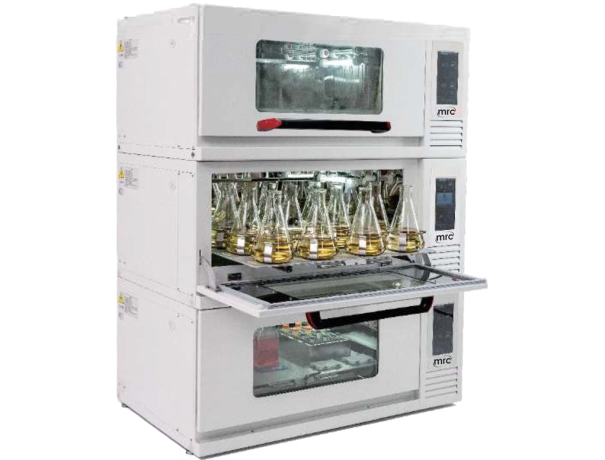
Laboratory Incubators
Incubators provide controlled environments for the cultivation and growth of cells, microorganisms, and tissues. They maintain optimal temperature, humidity, and gas composition to support cell culture, microbial fermentation, and other biological processes.
Uses of Chemistry laboratory apparatus
Chemistry laboratory apparatus has a wide range of uses in various scientific experiments and analyses. Here are some common uses of chemistry laboratory apparatus:
- Measuring and mixing liquids: Beakers, graduated cylinders, and volumetric flasks are used to accurately measure and mix liquids during solution preparations, titrations, and dilutions.
- Heating and evaporating liquids: Bunsen burners, hot plates, and heating mantles are used to heat liquids for various purposes, such as evaporating solvents, conducting reactions, or sterilizing equipment.
- Holding and observing reactions: Test tubes, reaction flasks, and petri dishes are used to hold substances and observe chemical reactions, such as color changes, precipitation, or gas evolution.
- Filtration: Buchner funnels, filter papers, and vacuum filtration setups are used for separating solids from liquids through the process of filtration, enabling the collection of purified substances or isolating precipitates.
- Separation techniques: Centrifuges and separation funnels are used to separate mixtures based on the differences in density or solubility of their components. These techniques are employed in areas like extraction, purification, and sample preparation.
- Measuring and dispensing small volumes: Micropipettes, burettes, and syringes are used to accurately measure and dispense small volumes of liquids for precise quantitative analysis and sample handling.
- pH measurement: pH meters and pH indicator papers are used to determine the acidity or alkalinity of solutions. These tools are vital in various fields, including chemistry, biology, environmental science, and quality control.
- Optical analysis: Spectrophotometers and colorimeters are used to measure the absorption, transmission, or emission of light by substances. They are essential for quantitative analysis, studying chemical kinetics, and characterizing compounds.
- Distillation and purification: Distillation apparatus, including distillation flasks, condensers, and receivers, are used to separate and purify liquids based on differences in boiling points. Distillation is commonly employed in industries like petroleum refining, pharmaceuticals, and beverage production.
- Safety equipment: Safety apparatus such as fume hoods, safety goggles, lab coats, and gloves are crucial for protecting researchers from hazardous chemicals, gases, and potential accidents.