Laboratory drying ovens are essential equipment used in scientific research, pharmaceutical manufacturing, food processing, and many other industries. They provide controlled heat and airflow to efficiently remove moisture from various substances, such as chemicals, samples, or lab equipment.
Choosing the right type of drying oven depends on several factors, including the nature of the samples, desired drying speed, temperature requirements, and specific application needs. Let's explore the different types of laboratory drying ovens to understand their unique features and benefits.
Types of Laboratory Drying Ovens
Convection Drying Ovens
Convection drying ovens are the most commonly used type of laboratory drying ovens. They rely on natural or forced convection to circulate heated air evenly throughout the chamber. These offer precise temperature control and are suitable for drying delicate samples or heat-sensitive materials. They are widely used in research laboratories, hospitals, and pharmaceutical industries.
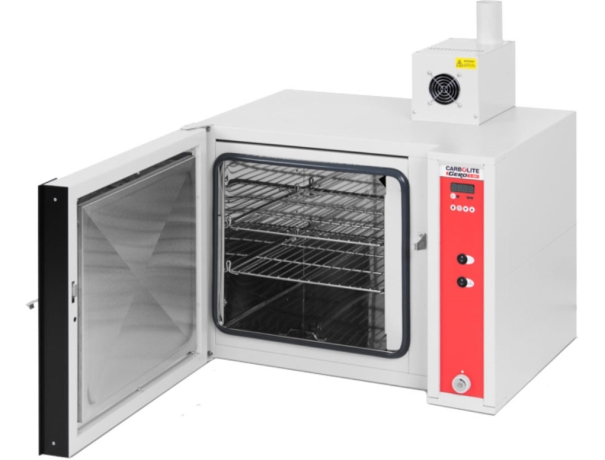
Vacuum Drying Ovens
Vacuum drying ovens utilize reduced pressure or vacuum conditions to lower the boiling point of liquids, allowing faster and gentler drying. They are ideal for drying heat-sensitive materials, as they minimize the risk of thermal degradation. They are commonly used in the pharmaceutical and electronics industries.
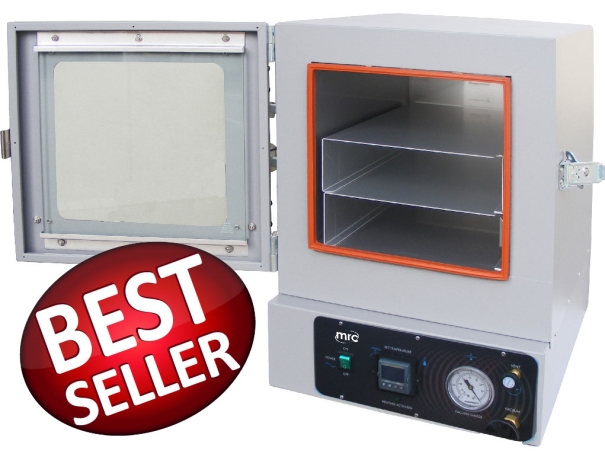
Gravity Convection Drying Ovens
Gravity convection drying ovens operate without any mechanical fans. Instead, they rely on natural convection, where heat rises and circulates throughout the chamber. They are energy-efficient and suitable for drying samples that require a gentle and uniform drying process. They are often used in microbiology, research, and quality control laboratories.
Forced Air Drying Ovens
Forced air drying ovens, also known as mechanical convection ovens, employ powerful fans to circulate heated air uniformly within the chamber. This ensures faster drying and reduces drying time significantly. They are suitable for bulk drying, heat-resistant materials, or processes that require rapid drying. They find applications in industrial settings, material testing, and production facilities.
Infrared Drying Ovens
Infrared drying ovens use infrared radiation to transfer heat directly to the samples, bypassing the air as an intermediary. This method enables rapid and efficient drying, making it suitable for drying coatings, paints, or solvent-based materials. They are commonly found in the automotive, aerospace, and electronics industries.
Microwave Drying Ovens
Microwave drying ovens employ microwave energy to generate heat directly within the samples, resulting in faster and more uniform drying. They are highly efficient and are particularly useful for drying organic materials, such as food products, herbs, or pharmaceutical compounds. They offer quick drying times and preserve the sample's quality by reducing the exposure to prolonged heat.
Freeze Drying Ovens
Freeze drying ovens, also known as lyophilizers, utilize a process called sublimation to remove moisture from samples. The samples are frozen and then subjected to reduced pressure, causing the ice to change from a solid to a gas without passing through the liquid phase. This gentle drying method is commonly used for preserving biological samples, pharmaceuticals, and sensitive materials that are prone to degradation.
Hybrid Drying Ovens
Hybrid drying ovens combine multiple drying technologies to achieve enhanced performance and versatility. They are offer the flexibility to switch between different drying methods, such as convection, vacuum, or microwave, depending on the specific requirements of the samples. Hybrid drying ovens are beneficial when dealing with a wide range of materials or when precise control over the drying process is necessary.
Key Factors to Consider
When selecting, it's important to consider the following factors:
- Temperature range and control: Ensure the laboratory oven can reach and maintain the required temperature for your specific application.
- Sample capacity: Consider the size and quantity of samples you need to dry simultaneously.
- Drying speed: Assess the drying time required for your samples and choose an laboratory oven that offers the necessary efficiency.
- Safety features: Look for laboratory ovens with features such as overtemperature protection, alarms, and ventilation systems to ensure safe operation.
- Ease of use and maintenance: Consider the user-friendly interface, accessibility for cleaning, and availability of spare parts or service support.