Maintaining effective sterilisation processes is essential in laboratories, healthcare facilities, research centres, dental clinics and other environments where contaminated equipment or biological materials are handled.
However, sterilisation is not simply another form of cleaning. Each stage of the decontamination process has a different purpose, and the equipment selected must be appropriate for the materials, risks and working procedures involved.
This guide explains the main types of laboratory sterilisation equipment, their applications and the factors that should be considered when choosing a suitable system.
What Is the Difference Between Cleaning, Disinfection and Sterilisation?
Cleaning, disinfection and sterilisation are separate processes.
Cleaning removes visible dirt, residues and organic material from instruments, surfaces and equipment. It is normally the first stage of any effective decontamination procedure.
Disinfection reduces or eliminates many harmful microorganisms from surfaces and reusable items. However, some disinfection methods may not destroy bacterial spores.
Sterilisation is a controlled process intended to eliminate all forms of microbial life from suitable equipment and materials.
Cleaning should normally take place before disinfection or sterilisation. Organic material and other contamination can prevent steam, heat or disinfecting agents from reaching all areas of an item.
Autoclaves and Steam Sterilisation
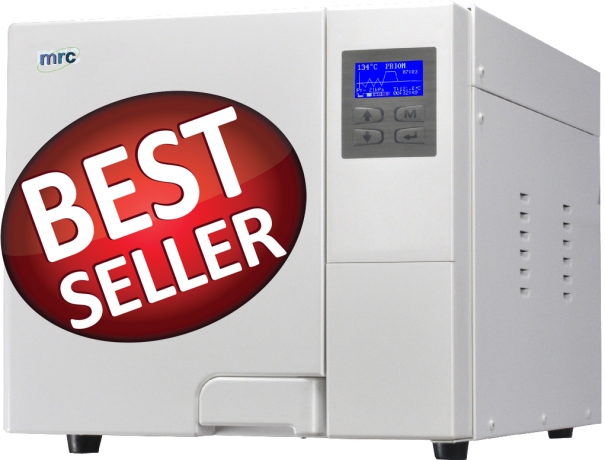
Autoclaves are among the most widely used sterilisation systems in laboratories, medical facilities and research environments.
An autoclave uses saturated steam under pressure to expose suitable loads to controlled temperatures for a defined period. Steam sterilisation is commonly used because it is reliable, effective and suitable for many laboratory materials.
Depending on the model and selected cycle, autoclaves may be used for:
- Laboratory glassware
- Instruments and reusable equipment
- Culture media and liquids
- Textiles and wrapped materials
- Biological waste
- Porous or hollow items
- Medical and dental instruments
Steam sterilisation is generally considered one of the most dependable routine sterilisation methods for compatible reusable equipment and laboratory waste.
Choosing the Correct Autoclave Type
The correct autoclave depends primarily on the type of load that must be sterilised.
Class N Autoclaves
Class N autoclaves use gravity displacement and are generally intended for solid, unwrapped instruments.
They are usually simple and cost-effective but may not be suitable for wrapped, porous or hollow items.
Class B Autoclaves
Class B autoclaves use vacuum stages to remove air before steam enters the chamber.
This allows steam to penetrate wrapped, hollow and porous loads more effectively. A post-vacuum stage may also assist with drying after sterilisation.
Vertical Autoclaves
Vertical autoclaves are commonly used in laboratories where floor space is limited or where large containers, liquids or waste bags must be processed.
Horizontal and Large-Capacity Autoclaves
Horizontal autoclaves are suitable for facilities processing larger quantities of equipment, materials or waste.
When selecting an autoclave, consider the largest and most difficult load that will be sterilised, rather than choosing solely according to chamber volume.
Dry Heat Sterilisers
Dry heat sterilisers use heated air rather than steam.
They may be suitable for materials that can withstand high temperatures but could be damaged by moisture. Typical applications may include selected glassware, metal instruments, powders and oils.
Dry heat sterilisation normally requires higher temperatures and longer exposure times than steam sterilisation.
The equipment must include suitable temperature control to ensure the required conditions are achieved throughout the load.
Washer-Disinfectors
Washer-disinfectors combine automated cleaning with thermal or chemical disinfection.
They are frequently used as an initial processing stage for reusable instruments before sterilisation. Their purpose is to remove contamination, reduce microbial levels and make equipment safer to handle.
A washer-disinfector does not automatically replace sterilisation where a sterile final item is required.
Ultrasonic Cleaners
Ultrasonic cleaners use high-frequency sound waves to remove debris and contamination from difficult-to-reach surfaces.
They are particularly useful for instruments with joints, grooves, small openings or complex shapes.
Ultrasonic cleaning should be considered a preparation stage. Items may still require disinfection or sterilisation after cleaning, depending on their intended use.
Biological Safety Cabinets and Clean Benches
Biological safety cabinets and clean benches may support controlled laboratory workflows, but they serve different purposes from autoclaves and sterilisers.
A biological safety cabinet is designed to help protect personnel, samples and the surrounding environment during certain laboratory procedures.
A clean bench primarily provides filtered air to protect the work or sample from contamination.
Neither system should be described as a substitute for sterilising contaminated instruments, glassware or biological waste.
Sterilisation Monitoring and Verification
Sterilisation equipment must operate consistently and achieve the required conditions for every load.
Facilities may use several monitoring methods, including:
- Cycle time records
- Temperature monitoring
- Pressure monitoring
- Chemical indicators
- Biological indicators
- Data loggers
- Routine maintenance records
- Periodic validation procedures
Temperature and pressure data loggers can help confirm that the required conditions were achieved during a cycle.
The required verification method will depend on the application, internal procedures and relevant regulatory or quality requirements.
How to Choose Sterilisation Equipment
Before purchasing equipment, clearly define what will be processed and how frequently the system will be used.
Important factors include:
Type of Load
Determine whether the equipment will process liquids, glassware, wrapped items, hollow instruments, porous materials or biological waste.
Chamber Capacity
Select a chamber large enough for normal workloads without consistently overloading the unit.
A larger chamber may reduce the number of daily cycles, but it may also require more space, energy and installation preparation.
Cycle Requirements
Different loads require different sterilisation programmes.
For example, liquids require controlled exhaust and cooling to reduce the risk of boiling over, while wrapped or hollow items may require effective air removal and drying.
Installation Requirements
Check the required electrical supply, water connection, drainage, ventilation, available space and access route before ordering.
Monitoring and Documentation
Facilities operating under quality systems may require automatic cycle records, data export, password-controlled operation or independent monitoring devices.
Maintenance and Technical Support
Confirm the availability of servicing, calibration, spare parts, training and technical assistance.
A sterilisation system should be considered a long-term operational investment rather than a one-time purchase.
Common Sterilisation Equipment Mistakes
Selecting unsuitable equipment can result in incomplete sterilisation, damaged materials and inefficient laboratory workflows.
Common mistakes include:
- Assuming all autoclaves can process every type of load
- Overloading the sterilisation chamber
- Failing to clean equipment before sterilisation
- Using incorrect cycles for liquids or wrapped items
- Ignoring installation requirements
- Failing to monitor or document cycles
- Treating air purification as a substitute for sterilisation
- Purchasing equipment without considering maintenance and support
-
Laboratory Sterilisation Equipment from MUNRO Scientific
MUNRO Scientific supplies autoclaves and supporting equipment for laboratories, healthcare facilities, research centres and industrial applications.
Available solutions include benchtop, vertical and horizontal autoclaves designed for different load types, chamber capacities and working requirements.
Contact MUNRO Scientific to discuss your sterilisation requirements and identify the most appropriate equipment for your facility.