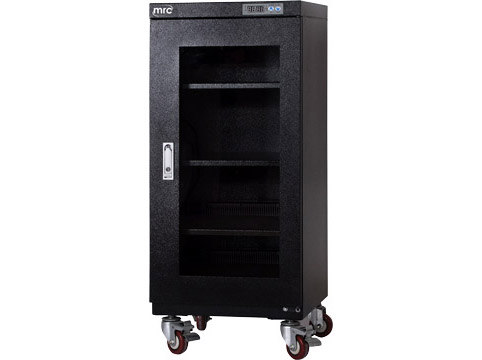
dry cabinets are important in safeguarding invaluable items such as photographs, documents, artworks, and electronic components. These specialized cabinets maintain low levels of humidity, effectively preventing moisture-related damage that can degrade materials over time. As a crucial tool for professionals in museums, archives, libraries, and laboratories, a dry cabinet ensures the longevity and integrity of stored artifacts.
How Dry Cabinets Work
Controlling Humidity Levels
Dry cabinets operate by controlling humidity through advanced technology such as desiccant materials or electronically regulated dehumidifiers. Desiccant-based cabinets use materials like silica gel to absorb moisture from the air, maintaining humidity levels as low as 25%. On the other hand, electronic dry cabinets employ precise sensors and algorithms to regulate internal conditions, ensuring optimal preservation without the need for manual adjustments.
Temperature Stability
Beyond humidity control, maintaining stable temperatures is critical for preserving sensitive materials. Dry cabinets are equipped with temperature control features that prevent fluctuations, creating a consistent environment ideal for long-term storage. This stability is essential for preserving delicate items that can deteriorate under varying heat conditions.
Applications of Dry Cabinets
Art Conservation
In the realm of art conservation, maintaining specific humidity and temperature levels is imperative for preserving paintings, sculptures, and delicate artifacts. they provide a controlled environment that prevents mold growth, warping, or color fading, ensuring artworks remain in pristine condition for generations to come.
Electronics Storage
For electronic components and devices, moisture is a primary adversary that can lead to corrosion and malfunction. Electronic dry cabinets offer a humidity-controlled environment that protects circuit boards, semiconductors, and sensitive instruments from moisture-related damage, thereby extending their operational lifespan.
Film and Photography Preservation
Photographic films, negatives, and prints are highly susceptible to moisture, which can cause irreversible damage such as emulsion deterioration and mold growth. Dry cabinets designed for photographic storage maintain optimal humidity levels, safeguarding these delicate materials and preserving their quality over time.
Benefits of Using Dry Cabinets
Preservation of Irreplaceable Items
The foremost benefit of employing a dry cabinet is the preservation of irreplaceable items with historical, cultural, or scientific significance. By minimizing the effects of moisture and humidity, these cabinets ensure that documents, artifacts, and electronic components retain their integrity and value indefinitely.
Cost-Effective Preservation Solution
Investing in a dry cabinet is a cost-effective solution compared to potential restoration or replacement expenses. By proactively preventing damage, institutions and individuals can avoid the high costs associated with repairing or replicating valuable items compromised by environmental factors.
User-Friendly Operation
Modern dry cabinets are designed for ease of use, featuring intuitive controls and automatic monitoring systems. Users can set desired humidity and temperature levels with minimal effort, allowing for hassle-free maintenance of archival collections or sensitive equipment.
Choosing the Right Dry Cabinet
Considerations for Selection
When choosing a dry cabinet, several factors should be considered, including storage capacity, humidity control method, and additional features such as alarms for humidity deviations. Institutions may require larger cabinets with expansive storage capacity, while individuals may prioritize compact designs suitable for home or small office use.
Customization Options
Some manufacturers offer customization options to tailor dry cabinets according to specific storage needs. This may include adjustable shelves, specialized racks for artwork or documents, and additional security features to protect against unauthorized access.
What is the humidity percentage that is suitable for Dry Cabinet for Archival and Preservation
For archival and preservation purposes, humidity control is crucial to prevent damage to sensitive materials such as photographs, negatives, documents, and artworks. Generally, a relative humidity (RH) level of around 30% to 40% is considered suitable for storage in dry cabinets designed for archival purposes.