In the UK, a growing emphasis on STEM education highlights the critical role of quality laboratory tools in shaping the innovators of tomorrow.
Types of Educational Laboratory Equipment
Laboratory equipment isn’t a one-size-fits-all solution. It spans a variety of tools tailored to different disciplines, ensuring students get a well-rounded learning experience.
Science Laboratory Equipment
Science labs are foundational to education, offering tools for experiments that explain life’s mysteries.
Chemistry Lab Tools
From basic beakers to sophisticated spectrometers, chemistry labs are equipped to teach students about reactions, compounds, and chemical structures.
Physics Lab Instruments
Physics labs focus on energy, motion, and matter. Equipment like oscilloscopes, ammeters, and pendulums are crucial.
Biology Lab Apparatus
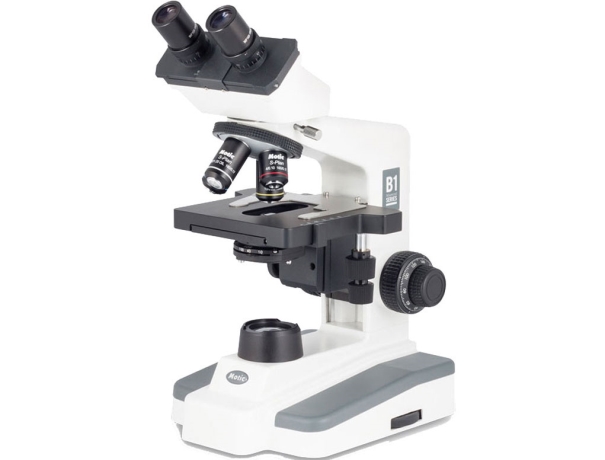
Biology labs bring life sciences to reality with microscopes, dissection kits, and DNA testing models.
Engineering and Technology Lab Equipment
As the world moves toward innovation, engineering and tech labs provide students with cutting-edge tools.
Robotics Kits and Tools
Robotics kits empower students to design and build functional robots, teaching coding and engineering principles.
CAD Software and 3D Printers
3D printers and CAD software bridge creativity and engineering, enabling students to bring their designs to life.
Mathematics and Statistical Equipment
Numbers become tangible with the right tools.
Geometric Tools
Compasses, protractors, and 3D models make geometry lessons engaging and interactive.
Statistical Computing Systems
Advanced statistical software helps students analyze complex datasets.
Digital and Virtual Laboratory Tools
Modern education laboratory equipment embraces technology to create virtual learning environments.
Virtual Lab Simulations
These allow students to conduct experiments safely and remotely, replicating real-world scenarios.
Augmented Reality (AR) and Virtual Reality (VR) Tools
AR and VR bring immersive experiences, making concepts like anatomy or space exploration vivid.
Benefits of Using Modern Laboratory Equipment in Education
Enhancing Practical Skills
Hands-on tools encourage students to develop critical thinking and problem-solving skills.
Bridging the Gap Between Theory and Application
Lab equipment translates abstract theories into tangible experiences, cementing knowledge.
Encouraging Innovation and Creativity
Interactive tools inspire students to innovate, fostering creativity and curiosity.
Government Support and Funding for STEM Education
Key Initiatives by the UK Government
Programs like STEM Ambassadors and the National Centre for Computing Education are important.
Grants and Funding Opportunities
Various grants, such as the Wolfson Foundation, provide financial support for lab upgrades.
Types of educational institutions that use laboratory equipment in UK
Educational institutions in the UK that use laboratory equipment typically include:
1. Primary Schools
- Focused on basic scientific experiments, often requiring simple laboratory tools such as microscopes, thermometers, and basic chemistry kits.
2. Secondary Schools
- Use laboratory equipment for teaching physics, chemistry, and biology.
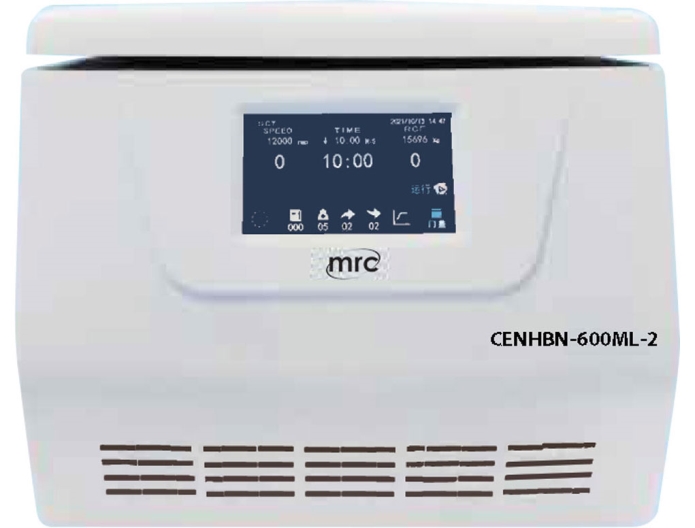
- Common equipment includes Bunsen burners, spectrometers, centrifuges, and pH meters.
3. Sixth Form Colleges and Further Education (FE) Colleges
- Cater to students studying advanced-level (A-level) sciences and vocational courses.
- Use more advanced equipment, such as analytical balances, electrophoresis kits, and calorimeters.
4. Universities
- Conduct teaching and research across a wide range of scientific disciplines.
- Require advanced and specialized laboratory equipment, including spectrophotometers, DNA sequencers, mass spectrometers, and environmental testing chambers.
5. Technical and Vocational Colleges
- Focus on applied sciences and technical skills.
- Use equipment tailored for industry-specific applications, such as medical lab technology, food science, or materials testing.
6. Research Institutes Affiliated with Universities
- Require cutting-edge laboratory equipment for specialized research.
- Examples include particle accelerators, cryogenic equipment, and high-resolution microscopes.
7. Medical and Nursing Schools
- Part of universities or standalone institutions.
- Use laboratory equipment for biomedical experiments and clinical training, such as centrifuges, hematology analyzers, and spectrophotometers.
8. Specialized Training Institutes
- Focused on niche areas like biotechnology, pharmaceutical sciences, or environmental sciences.
- Use domain-specific laboratory equipment such as fermentation tanks, chromatographs, and air quality monitors.
9. Agricultural and Veterinary Schools
- Conduct research in fields like soil science, plant biology, and animal health.
- Require equipment like incubators, soil analyzers, and spectrophotometers.
10. Art and Design Schools
- Occasionally use laboratory equipment in materials science, conservation, or photography studies.
- Examples include UV lamps, chemical processing equipment, and microscopes for artwork analysis.