In the UK, where industries such as aerospace, automotive, and construction are highly developed, fatigue testing is essential for maintaining quality and compliance with rigorous standards. This guide explores what fatigue testing is, its applications, and the impact it has on product development and safety across various industries in the UK.
What is Fatigue Testing?
Fatigue testing is a process used to determine a material’s durability under repeated stress or load over time. This form of testing is crucial for predicting when a material will fail due to fatigue, which is the gradual weakening of a material under cyclic loading. Engineers and researchers rely on fatigue testing to better understand how materials perform and to design products that can withstand long-term use.
Why is Fatigue Testing Essential?
Fatigue testing is essential for multiple reasons, primarily related to safety and reliability. Knowing the fatigue strength of a material helps manufacturers prevent catastrophic failures in critical applications such as aircraft wings, automotive components, and structural beams. Additionally, fatigue testing supports the goal of creating products that are durable, cost-effective, and capable of meeting both national and international standards.
Types of Fatigue Testing Methods
- Stress-Life (S-N) Testing
This traditional method plots stress (S) against the number of cycles (N) a material can withstand before failing. It’s a common approach for materials exposed to high-cycle fatigue. - Strain-Life (ε-N) Testing
Strain-life testing, or ε-N testing, measures a material’s fatigue behavior in terms of strain, especially useful for low-cycle fatigue situations where materials undergo significant plastic deformation. - Fracture Mechanics Approach
This method examines how cracks grow in a material over time. It’s particularly valuable for understanding failure in materials with existing flaws or imperfections.
Each of these methods serves different applications and industries, offering engineers the flexibility to choose a testing method that best matches the material’s anticipated usage.
Applications of Fatigue Testing in the UK
- Aerospace Industry: Ensuring the resilience of materials used in high-stress parts such as wings, fuselages, and engines.
- Automotive Industry: Testing vehicle components to maintain safety and improve fuel efficiency.
- Construction and Infrastructure: Verifying that materials can endure the stress cycles caused by environmental factors and usage.
Fatigue Testing Standards in the UK
In the UK, fatigue testing must comply with various standards:
- British Standards (BS): Guidelines specific to the UK, ensuring local relevance.
- International Standards (ISO): Globally recognized standards that allow UK products to be competitive worldwide.
- European Standards (EN): Standards accepted across Europe, important for cross-border compliance within the EU.
The Fatigue Testing Process
- Sample Preparation: Ensuring consistency in test samples.
- Load Application and Cycles: Applying repeated stress or strain cycles.
- Monitoring and Recording Results: Collecting data on the material’s response to stress over time.
Fatigue Testing Equipment
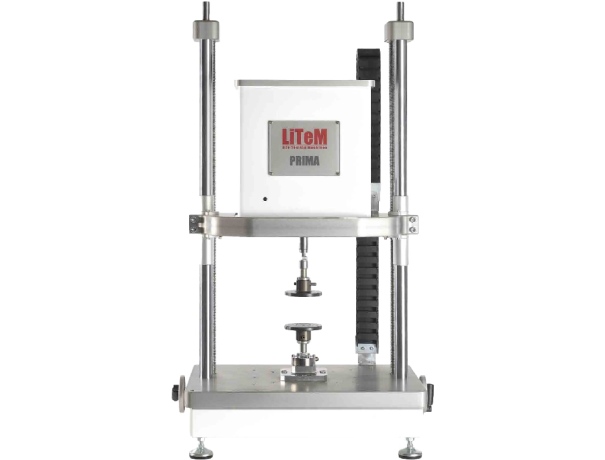
In the UK, fatigue testing facilities use advanced equipment capable of simulating complex cyclic loads. This machinery ranges from servo-hydraulic testing machines to high-tech monitoring systems that track stress, strain, and crack propagation.
Challenges in Fatigue Testing
Some challenges include maintaining sample consistency and accurately replicating real-world conditions. Engineers and researchers must ensure that test results are representative of actual usage scenarios, which can be challenging when dealing with complex materials and environmental factors.
Fatigue Testing Labs and Facilities in the UK
In the UK, several facilities specialize in fatigue testing:
- Universities: Many UK universities, such as Imperial College London and the University of Manchester, have dedicated fatigue testing labs.
- Independent Laboratories: Laboratories like Element Materials Technology provide independent testing services.
- Industrial Testing Facilities: Numerous private companies also offer fatigue testing for industrial applications.
The Role of Fatigue Testing in Product Development
Fatigue testing is instrumental in product development, helping engineers design products that withstand wear and tear over time. By understanding a material’s fatigue characteristics, engineers can make informed design choices to enhance durability and reduce costs.
Recent Developments in Fatigue Testing Technology
Technological advancements are making fatigue testing more efficient and accurate. Automated systems and AI-driven analysis enable faster data processing, allowing for quicker decision-making in design and material selection.
Choosing a Fatigue Testing Service in the UK
Selecting a fatigue testing provider requires considering factors like cost, reliability, and turnaround time. Look for providers with experience in your industry and familiarity with the specific standards your products must meet.