In this comprehensive guide, we delve into the various types of laboratory freezers, their applications, and the critical factors to consider when selecting the ideal freezer for your research needs.
Types of Laboratory Freezers
Ultra-Low Temperature Freezers
Ultra-low temperature (ULT) freezers, often referred to as -80°C freezers, are pivotal for preserving sensitive biological materials such as DNA, RNA, proteins, and cell samples. These freezers operate within a temperature range of -40°C to -86°C, offering exceptional sample protection. They are used in molecular biology, virology, and biochemistry laboratories where long-term storage of samples is essential.
Low-Temperature Freezers
Low-temperature freezers typically maintain temperatures between -25°C and -40°C. These units are ideal for storing enzymes, vaccines, and pharmaceuticals that require stable, low-temperature environments. They are also used in the storage of certain biological samples that do not necessitate the extreme conditions provided by ULT .
Standard Laboratory Freezers
Standard laboratory freezers operate at temperatures around -20°C. These are versatile and widely used for general-purpose storage of reagents, media, and non-critical samples. They offer a cost-effective solution for laboratories with less stringent temperature requirements.
Key Features to Consider
Temperature Uniformity and Stability
Maintaining consistent temperature across the storage space is crucial for preserving sample integrity. Temperature uniformity ensures that all samples, regardless of their position within the freezer, are exposed to the same conditions. Advanced laboratory freezers are equipped with high-performance compressors and sophisticated insulation to achieve optimal temperature stability.
Monitoring and Alarm Systems
Modern Laboratory freezers come with integrated monitoring systems that track temperature fluctuations in real-time. These systems often include alarms to alert users of any deviations from the set temperature range, ensuring immediate corrective action can be taken to protect valuable samples. Data logging features allow for continuous recording of temperature data, facilitating regulatory compliance and quality control.
Energy Efficiency
Energy consumption is a significant consideration for laboratories aiming to minimize operational costs and environmental impact. Energy-efficient laboratory freezers incorporate advanced technologies such as variable speed compressors and enhanced insulation materials to reduce power usage without compromising performance.
Capacity and Storage Options
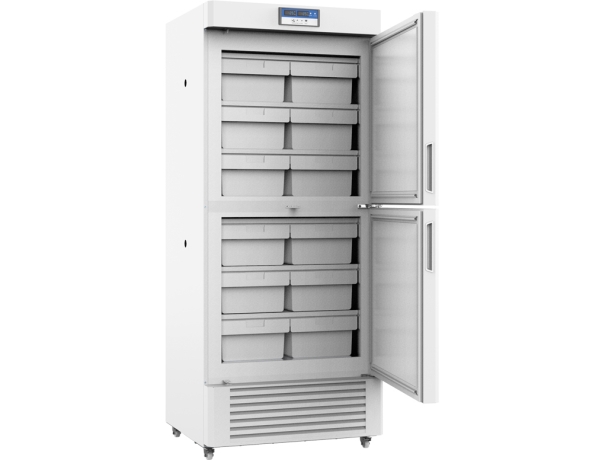
Selecting a freezer with adequate capacity is vital for accommodating current and future storage needs. Adjustable shelving, drawer systems, and partitioned compartments enhance storage flexibility, enabling organized sample management. Laboratories should assess their specific storage requirements to choose a freezer that offers the most suitable configuration.
Reliability and Maintenance
The reliability of a laboratory freezer is paramount to ensure uninterrupted operation. Preventive maintenance programs, along with robust warranty and support services, contribute to the longevity and dependability of these units. Regular maintenance checks and prompt servicing help avoid unexpected breakdowns and extend the lifespan of the equipment.
Applications of Laboratory Freezers
Biomedical Research
In biomedical research, They are indispensable for storing tissue samples, blood products, and other biological specimens. ULT freezers, in particular, are crucial for preserving the integrity of nucleic acids and proteins, which are essential for various experimental procedures and assays.
Pharmaceutical Development
The pharmaceutical industry relies heavily on laboratory freezers for the storage of drug compounds, vaccines, and clinical trial samples. Ensuring the stability of these products at low temperatures is critical for maintaining their efficacy and safety. Low-temperature and explosion-proof freezers are commonly used in pharmaceutical laboratories.
Environmental Studies
Environmental researchers utilize laboratory freezers to store soil, water, and air samples collected from various ecosystems. These samples are often analyzed for contaminants, microbial activity, and chemical composition. Reliable low-temperature storage is essential to prevent sample degradation and ensure accurate analytical results.
Forensic Science
In forensic laboratories, preserving evidence such as biological fluids, tissues, and DNA samples is of utmost importance. They provide the controlled conditions necessary to maintain the integrity of forensic evidence over extended periods, aiding in criminal investigations and legal proceedings.

What materials are stored in Laboratory Freezers
-Biological Samples: Blood, plasma, serum, tissues, and other bodily fluids used for medical and research purposes.
-Cell Cultures: Various types of cell lines and cultures used in biological and medical research.
-Microorganisms: Bacteria, viruses, fungi, and other microorganisms preserved for research and diagnostic purposes.
-Reagents and Chemicals: Enzymes, antibodies, proteins, nucleic acids, and other chemicals that need to be kept at low temperatures to remain stable.
-Vaccines and Pharmaceuticals: Medications and vaccines that require cold storage to maintain efficacy and prevent degradation.
-DNA and RNA Samples: Genetic materials used for molecular biology research, including sequencing and cloning.
-Forensic Samples: Evidence samples such as hair, fibers, and other materials collected for forensic analysis.
-Environmental Samples: Soil, water, and air samples collected for environmental monitoring and research.
-Plant and Animal Specimens: Samples used in botanical and zoological research, including seeds, leaves, and small animals.
-Clinical Samples: Samples collected from patients for diagnostic testing and medical research.
At what temperature to store each material
Here are common temperature guidelines for different materials:
- Biological Samples:
- Blood and Plasma: -30°C to -40°C
- Serum: -20°C to -40°C
- Tissues: -80°C
- Cell Cultures:
- Cell Lines and Cultures: -80°C
- Microorganisms:
- Bacteria, Viruses, Fungi: -80°C
- Reagents and Chemicals:
- Enzymes: -20°C to -80°C
- Antibodies: -20°C
- Proteins: -20°C to -80°C
- Nucleic Acids (DNA, RNA): -20°C to -80°C
- Vaccines and Pharmaceuticals:
- Vaccines: Typically between -20°C and -80°C, depending on the specific vaccine
- Medications: -20°C to -80°C, depending on stability requirements
- DNA and RNA Samples:
- DNA: -20°C to -80°C
- RNA: -80°C
- Forensic Samples:
- Hair, Fibers, and Other Evidence: -20°C to -80°C, depending on the material and analysis requirements
- Environmental Samples:
- Soil, Water, Air Samples: -20°C to -80°C, depending on the specific requirements for analysis
- Plant and Animal Specimens:
- Seeds, Leaves: -20°C
- Small Animals: -80°C
- Clinical Samples:
- Patient Samples (e.g., swabs, biopsies): -20°C to -80°C, depending on the type and intended analysis