Laboratory shakers are indispensable tools in many scientific fields. They are used for mixing, agitating, or blending samples in a variety of research and industrial applications. This article provides a comprehensive guide on how to work effectively with laboratory shakers, covering everything from selection and setup to maintenance
Types of Laboratory Shakers
Orbital Shakers
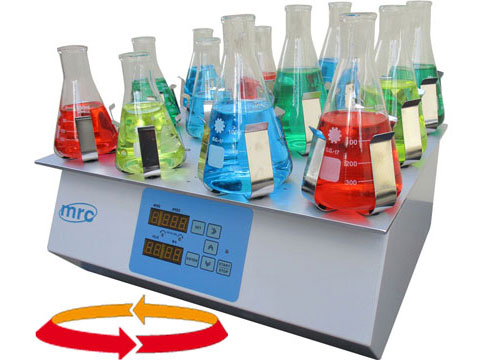
Orbital shakers move samples in a circular motion. They are ideal for cell culture, microbial culture, and other applications where a gentle yet thorough mixing is required.
Reciprocal Shakers
Reciprocal shakers move samples back and forth in a linear motion. They are often used for extractions and solubility studies, where a more vigorous mixing action is needed.

Rocking Shakers
Rocking shakers gently tilt samples back and forth. This type of motion is suitable for gel staining and destaining, as well as for other applications that require a gentle mixing action.
Incubator Shakers
Incubator shakers combine shaking and temperature control, making them perfect for applications such as fermentation and cell culture that require a controlled environment.

Choosing the Right Shaker for Your Needs
Consider the Application
Different applications require different types of shakers. Determine what you will be using the shaker for and choose one that meets those specific needs.
Capacity and Size
Consider the volume and number of samples you will be processing. Ensure the shaker has enough capacity to accommodate your workload.
Speed and Motion Type
Different shakers offer different speed ranges and motion types. Choose a shaker that provides the appropriate speed and motion for your specific application.
Temperature Control
If your application requires temperature regulation, opt for an incubator shaker that offers precise temperature control.
Setting Up Your Laboratory Shaker
Unpacking and Inspection
Carefully unpack your shaker and inspect it for any damage that might have occurred during shipping. Report any issues immediately.
Installation Guidelines
Follow the manufacturer’s installation instructions. Place the shaker on a stable, level surface to ensure proper operation.
Safety Precautions
Before operating the shaker, read the safety guidelines provided by the manufacturer. Ensure you understand all safety precautions to prevent accidents.
Operating a Laboratory Shaker
Basic Operation Steps
Turn on the Laboratory shaker and set the desired speed and time. Load your samples evenly to ensure balanced shaking.
Adjusting Speed and Time
Adjust the speed and time settings according to your application requirements. Start with lower speeds and gradually increase if necessary.
Loading Samples Properly
Distribute samples evenly on the shaker platform. Uneven loading can cause imbalanced shaking and affect results.
Ensuring Even Distribution
Check that all samples are securely placed and evenly distributed to maintain balance during operation.
Maintenance and Care
Regular Cleaning
Clean the shaker regularly to prevent contamination and ensure it operates smoothly. Follow the manufacturer’s cleaning recommendations.
Lubrication of Moving Parts
Lubricate moving parts as recommended by the manufacturer to prevent wear and ensure smooth operation.
Checking for Wear and Tear
Regularly inspect the shaker for signs of wear and tear. Replace any worn parts promptly to avoid breakdowns.
Calibration
Periodically calibrate the shaker to ensure it is operating at the correct speed and temperature settings.