Scientific equipment encompasses a wide range of instruments and devices used in scientific research and experimentation. These tools are designed to aid scientists and researchers in their quest for knowledge and understanding of the natural world. From measuring instruments to advanced imaging devices, scientific equipment comes in various forms to cater to different needs and applications.
Significance of Scientific Equipment
The importance of scientific equipment cannot be overstated. These tools enable researchers to observe phenomena, collect data, and test hypotheses with precision and accuracy. Whether it's studying microscopic organisms or analyzing chemical compounds, they provides the necessary means to explore the unknown and push the boundaries of human knowledge.
Types of Scientific Equipment
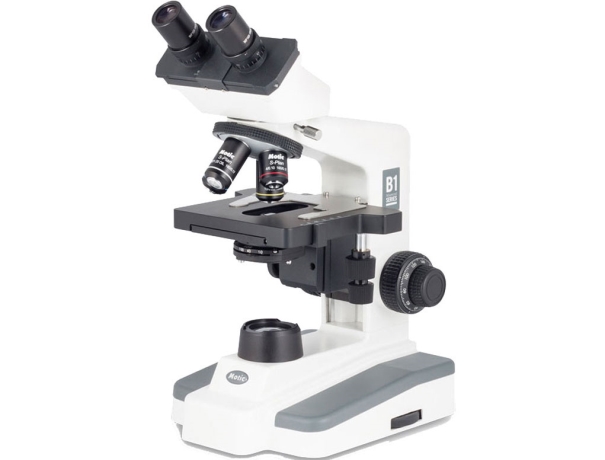
Microscopes
Microscopes are essential tools used in biology, medicine, and materials science. They allow scientists to magnify small objects and observe them in detail, revealing intricate structures and patterns that are invisible to the naked eye.
Spectrophotometers
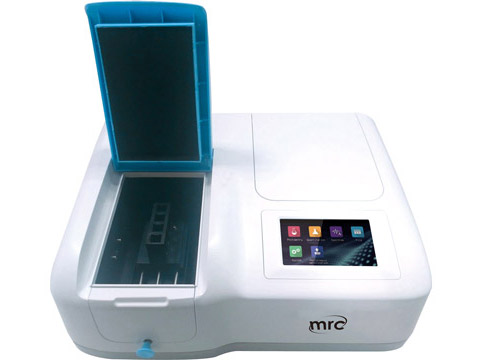
Spectrophotometers are instruments used to measure the intensity of light at different wavelengths. They find applications in chemistry, biochemistry, and environmental science, where they are used to analyze the concentration of substances in solution.
Centrifuges
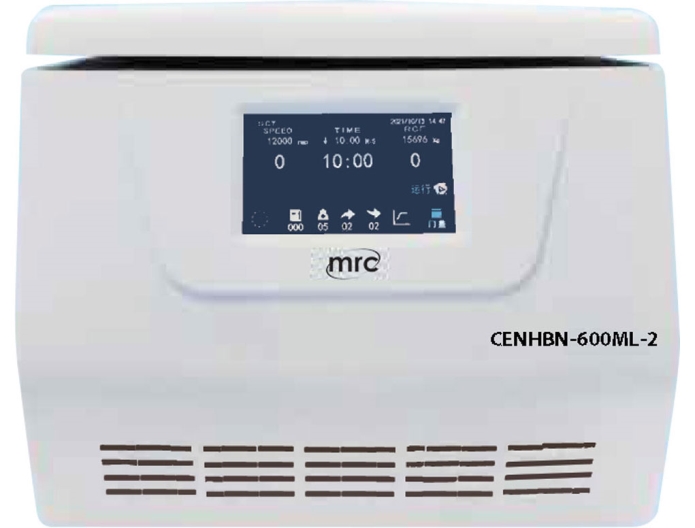
Centrifuges are devices that spin samples at high speeds to separate components based on their density. They are widely used in biology, chemistry, and clinical laboratories for tasks such as separating blood components and isolating DNA.
Incubators
Incubators are controlled environments used to culture cells, tissues, and microorganisms. They provide the ideal conditions for growth and proliferation, making them indispensable tools in microbiology, cell biology, and tissue engineering.
Applications of Scientific Equipment
Scientific equipment finds applications in a wide range of fields, including:
- Biological research
- Medical diagnostics
- Pharmaceutical development
- Environmental monitoring
- Material analysis
- Forensic science
These tools enable scientists to conduct experiments, analyze samples, and gather data to further our understanding of the natural world and address pressing societal challenges.
Factors to Consider When Choosing Scientific Equipment
When selecting, several factors should be taken into account, including:
Accuracy
The accuracy of the equipment is crucial for obtaining reliable results. It should be calibrated and maintained to ensure precise measurements and observations.
Precision
Precision refers to the repeatability of measurements. High precision equipment allows researchers to obtain consistent results, reducing variability and increasing confidence in the data.
Durability
Scientific equipment should be built to withstand the rigors of laboratory use. It should be made from high-quality materials and designed for long-term reliability.
Cost
Cost is another important consideration. While high-end instruments may offer advanced features and capabilities, they may not always be necessary for every application. It's essential to strike a balance between performance and affordability.
Maintenance of Scientific Equipment
Proper maintenance is essential to ensure the longevity and performance. Regular calibration, cleaning, and servicing are necessary to keep the instruments in optimal condition and prevent malfunctions or inaccuracies.
How to choose Scientific Equipment
Choosing scientific equipment involves several considerations to ensure that the selected instruments meet the requirements of your research or experimentation. Here's a step-by-step guide:
- Define Your Needs: Clearly outline the purpose of the equipment. What specific tasks or experiments do you need it for? Consider factors like precision, sensitivity, throughput, and compatibility with other instruments.
- Research Available Options: Look into different manufacturers and models that offer equipment suitable for your needs. Utilize resources such as scientific journals, online reviews, and recommendations from colleagues to identify reputable brands and products.
- Evaluate Specifications: Compare the specifications of different models to determine which one best fits your requirements. Pay attention to parameters such as accuracy, resolution, range, speed, and capacity.
- Consider Budget: Determine your budget for purchasing the equipment. Balance the features and quality of the instruments with their cost to find the best value for your investment. Don't forget to account for additional expenses such as maintenance, calibration, and accessories.
- Assess Quality and Reliability: Prioritize equipment from manufacturers known for producing high-quality, reliable instruments. Look for certifications, warranties, and customer reviews to gauge the reliability of the products.
- Compatibility and Integration: Ensure that the chosen equipment is compatible with other instruments and systems used in your laboratory or research environment. Compatibility can affect data consistency, efficiency, and workflow integration.
- User-Friendliness and Support: Consider the ease of use and user interface of the equipment, especially if multiple researchers will be using it. Also, assess the availability of technical support, training resources, and maintenance services provided by the manufacturer.
- Future Expansion and Upgrades: Anticipate future needs and assess whether the equipment allows for upgrades or expansion of capabilities. Investing in scalable solutions can help accommodate evolving research requirements without the need for frequent equipment replacements.
- Environmental Considerations: Take into account the operating environment of the equipment, including factors like temperature, humidity, and power requirements. Ensure that the instruments can withstand the conditions of your laboratory or research facility.
- Consult Experts: Seek advice from experienced researchers, technicians, or specialists in the field who have expertise in the specific type of equipment you're considering. Their insights and recommendations can provide valuable guidance in the decision-making process.