The dew point is the temperature at which air becomes saturated with moisture, leading to the formation of dew. It is a fundamental parameter used to assess the amount of moisture present in the air. Understanding the dew point is essential as it directly affects various processes and applications.
How Does a Dew Point Meter Work?
A dew point meter operates on the principle of chilled mirror technology. It uses a mirror surface that cools down until dew forms on it. The temperature at which the dew forms is measured, providing the dew point temperature. This method ensures high accuracy and reliability in dew point measurement.
Types of Dew Point Meters
There are various types of Dew Point meters available, each suited for specific applications. Some common types include chilled mirror dew point meters, capacitance dew point meters, and aluminum oxide sensors. Choosing the right type depends on the intended use and environmental conditions.
Why is Dew Point Measurement Important?
Industrial Applications
In industries such as pharmaceuticals, food production, and electronics manufacturing, maintaining optimal humidity levels is crucial for product quality and consistency. Dew point measurement helps prevent moisture-related issues and ensures smooth operations.
Weather Forecasting
Meteorologists use Them to predict the likelihood of precipitation, fog, and heatwaves. Understanding dew point variations helps in developing accurate weather forecasts.
HVAC Systems
For efficient HVAC systems, controlling humidity is vital. Improper humidity levels can lead to discomfort, mold growth, and reduced energy efficiency. They assist in maintaining optimal humidity levels in HVAC applications.
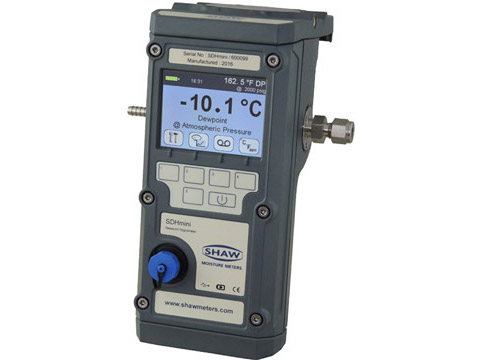
Choosing the Right Dew Point Meter
Accuracy and Precision
When selecting, accuracy and precision are paramount. Ensure that the chosen device provides reliable and repeatable results.
Sensor Technology
Different sensor technologies have their advantages and limitations. Consider factors such as response time, environmental conditions, and maintenance requirements.
Data Logging and Connectivity
Advanced dew point meters come with data logging and connectivity features. These allow easy data retrieval and integration into existing systems for analysis and record-keeping.
How to Use a Dew Point Meter
Preparing the Dew Point Meter
Before taking measurements, it is crucial to calibrate and prepare the dew point meter properly. Follow the manufacturer's guidelines for calibration procedures.
Taking Measurements
Ensure that the dew point meter is placed in the target area and allowed to stabilize. Take multiple readings to ensure accuracy.
Interpreting the Results
Understanding the dew point readings is essential. High dew point values indicate high moisture levels, while low values suggest dry conditions.
Maintenance and Calibration of Dew Point Meters
Regular Cleaning and Inspection
To maintain accuracy, dew point meters require periodic cleaning and inspection. Contaminants can affect readings and performance.
Calibration Procedures
Calibrating the dew point meter at regular intervals is essential for obtaining accurate measurements. Follow the manufacturer's recommendations for calibration procedures.
How do Dew Point Meters help prevent condensation and corrosion in industrial processes
In industrial settings, processes often involve the use of gases or air containing moisture. If the temperature of the gas or air drops below the dew point, condensation occurs, and water droplets may form on surfaces and equipment. This can lead to corrosion, which can be highly damaging to machinery and infrastructure, and may also cause product contamination and safety hazards.
Here's how Dew Point Meters help prevent condensation and corrosion:
- Dew Point Measurement: Dew Point Meters accurately measure the dew point temperature, which indicates the maximum level of moisture the air can hold before condensation occurs. By continuously monitoring the dew point, operators can maintain the temperature above the dew point, preventing condensation from forming.
- Process Control: Integrating Dew Point Meters into industrial processes allows for real-time control of temperature and moisture levels. By adjusting process parameters, such as heating or ventilation, operators can keep the conditions within a safe range to avoid condensation and potential corrosion.
- Early Warning System: They serve as an early warning system by alerting operators when the dew point is approaching critical levels. This gives them the opportunity to take preventive measures before condensation occurs, such as adjusting operating conditions or employing dehumidification methods.
- Corrosion Prevention: By maintaining the dew point temperature above critical levels, Dew Point Meters effectively prevent the formation of corrosive moisture on surfaces and equipment. This helps extend the lifespan of machinery, reduce maintenance costs, and improve overall operational efficiency.
- Quality Control: In industries where product quality is crucial, such as pharmaceuticals or food processing, Dew Point Meters ensure that the ambient conditions remain suitable to prevent contamination and maintain product integrity.
- Energy Efficiency: they help optimize energy consumption by enabling precise control of heating, cooling, and dehumidification systems. This results in more efficient processes, reducing energy waste and associated costs.