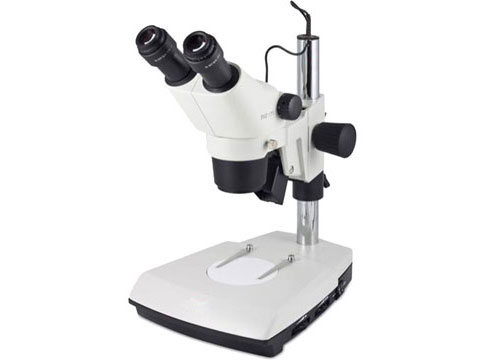
Stereo microscopes are specialized optical instruments that provide a three-dimensional view of objects. Unlike compound microscopes, which are commonly used for observing transparent and thinly sliced specimens, stereo microscopes excel in examining larger, opaque objects at lower magnifications.
How do Stereo Microscopes Differ from Compound Microscopes?
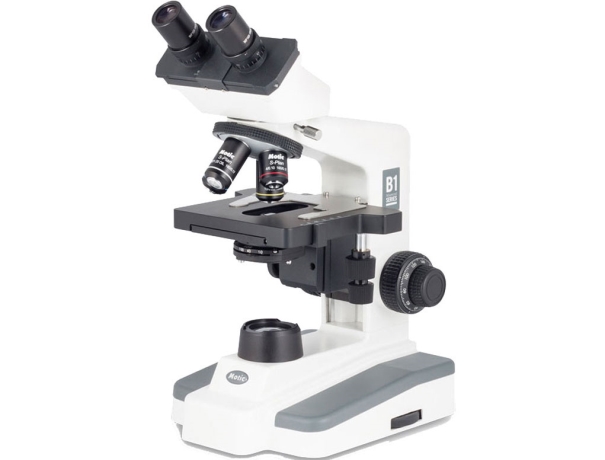
While both types of Microscopes use lenses to magnify objects, they differ in their optical setup. Compound microscopes use multiple lenses to enhance magnification, leading to a flat image, whereas stereo microscopes utilize two optical paths that create a three-dimensional image, making them ideal for studying objects with depth.
The Inner Workings of Stereo Microscopes
Binocular Eyepieces and Their Benefits
Stereo microscopes are equipped with binocular eyepieces, allowing users to comfortably observe specimens with both eyes. This ergonomic design reduces eye strain during prolonged observations and provides a more immersive experience.
Interpupillary Adjustment for Comfort
To accommodate variations in individuals' eye distances, stereo microscopes feature an interpupillary adjustment mechanism. This ensures that users can customize the distance between eyepieces, aligning them with their eyes for optimal clarity and comfort.
Zoom and Focus Controls for Precision
Precision is key when exploring the microscopic world. They are equipped with zoom and focus controls that enable users to magnify specimens smoothly and adjust the focus to unveil intricate details.
Applications in Various Fields
Biology and Life Sciences
In biology, stereo microscopes aid researchers in dissecting specimens, examining intricate structures, and conducting detailed observations of live organisms. This is particularly useful in fields such as botany, zoology, and anatomy.
Electronics and Circuitry Inspection
Electronics engineers utilize stereo microscopes to inspect intricate circuitry, soldering joints, and small components. The three-dimensional view helps identify defects, ensuring the quality and functionality of electronic devices.
Jewelry and Gemology
Gemologists rely on stereo microscopes to closely examine gemstones, evaluating their clarity, color, and internal characteristics. The enhanced depth perception provided by these microscopes is crucial for assessing gem quality.
Entomology: Unveiling the Insect World
Entomologists use them to study insects and their behavior. From analyzing minute details on wings to observing complex mouthparts, stereo microscopes offer insights into the fascinating world of insects.
Choosing the Right Stereo Microscope
Magnification and Resolution: Striking the Balance
When selecting, finding the right balance between magnification and resolution is crucial. Higher magnification levels might sacrifice resolution, impacting image clarity.
Illumination Options for Optimal Viewing
Proper illumination is essential for detailed observations. Many of them come with built-in LED lighting or external light sources to ensure specimens are adequately lit from all angles.
Ergonomics and Comfort During Prolonged Use
Ergonomics are essential in user comfort during extended observation sessions. Adjustable stands, ergonomic eyepieces, and comfortable hand rests contribute to a more enjoyable experience.
Tips for Effective Usage
Proper Sample Preparation
Before observing specimens, proper preparation is essential. Cleaning, sectioning, and positioning specimens correctly ensure optimal viewing conditions and accurate observations.
Adjusting Interpupillary Distance for Clear Vision
To avoid eye strain and maintain a clear image, adjust the interpupillary distance to match your own. This simple step significantly enhances the quality of your observations.
Maintaining and Cleaning Your Stereo Microscope
Regular maintenance and cleaning are crucial to prolonging the lifespan of your microscope. Use appropriate cleaning tools and follow manufacturer guidelines to keep your instrument in top condition.
Enhancing Observations: Digital Attachments
Digital Cameras for Image Capture
Capturing images and videos of observed specimens is made easy with digital camera attachments. This documentation is valuable for research, presentations, and sharing findings.
Advantages of Video Recording
Video recording using stereo microscopes enables real-time documentation of dynamic processes, making it an indispensable tool for fields like biology, where observing movement is essential.
Integration with Analysis Software
Advanced stereo microscopes can integrate with analysis software, allowing for measurements, annotations, and even three-dimensional reconstructions of observed structures.
Components of Stereo Microscopes
Also known as dissecting microscopes or stereoscopic microscopes, are optical instruments designed for the three-dimensional observation of specimens at relatively low magnifications. They are commonly used in fields like biology, electronics, materials science, and more. A stereo microscope typically consists of several key components:
- Binocular Eyepieces: They are equipped with a pair of eyepieces (oculars) that allow the user to observe the specimen with both eyes simultaneously. This provides a more comfortable and natural viewing experience.
- Objective Lenses: Unlike compound microscopes that have multiple objective lenses for different magnifications, stereo microscopes usually have a single set of objective lenses that provide a lower magnification range (typically around 5x to 45x). These lenses offer a larger working distance (the distance between the lens and the specimen) and a wider field of view, which is essential for observing three-dimensional objects.
- Zoom Mechanism: Many of them feature a zoom mechanism that allows users to smoothly adjust the magnification within the microscope's specified range. This provides flexibility in observing details at different levels of magnification.
- Binocular Head: The binocular head holds the eyepieces and allows them to be adjusted for inter-pupillary distance (the distance between the eyes) to suit different users. It also typically offers diopter adjustments to account for any differences in individual eye strengths.
- Arm and Stand: The arm of the microscope connects the head to the base. It can be adjusted vertically to accommodate specimens of varying heights. The base or stand provides stability and often incorporates illumination components.
- Illumination: They come with built-in illumination systems to illuminate the specimen. This can be in the form of incident (top) illumination, transmitted (bottom) illumination, or both. Illumination enhances the visibility of surface details and structures.
- Stage or Working Plate: Unlike compound microscopes, stereo microscopes might not have a traditional stage for placing slides. Instead, they have a working plate that provides a flat surface for placing specimens. This plate can be moved and adjusted as needed.
- Focus Mechanism: Stereo microscopes have a focus mechanism that allows users to adjust the focus to bring the specimen into clear view. The focus control might involve coarse adjustment knobs for larger focus changes and fine adjustment knobs for more precise focus.
- Interpupillary Adjustment: This feature enables users to adjust the distance between the eyepieces to match the distance between their own eyes. This adjustment ensures that users see a single, unified image.
- Diopter Adjustment: Diopter adjustments allow users to compensate for any differences in vision between their left and right eyes, ensuring a clear and comfortable view.