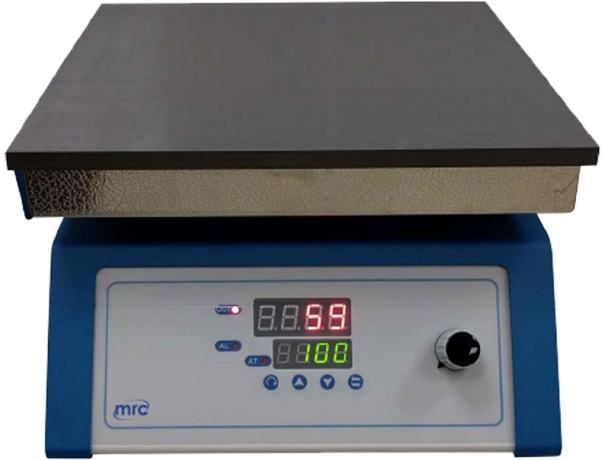
In laboratories and scientific settings, hotplates with magnetic stirrers are commonly used for various applications. These devices offer convenience and efficiency when it comes to heating and stirring liquids simultaneously. However, it is crucial to prioritize safety when working with hotplates and magnetic stirrers to prevent accidents and ensure a secure working environment. This article will outline essential safety precautions to follow when using a hotplate with a magnetic stirrer.
Hotplates with magnetic stirrers are valuable tools in laboratories, providing a convenient way to heat and stir liquids simultaneously. However, their usage requires careful attention to safety precautions to minimize risks and maintain a secure working environment. This article will provide a comprehensive overview of the safety measures essential when working with hotplates and magnetic stirrers.
Understanding Hotplates with Magnetic Stirrers
Hotplates with magnetic stirrers consist of a heating surface and a built-in magnetic stirrer. The heating surface allows precise temperature control, while the magnetic stirrer uses a rotating magnetic field to agitate liquids within a vessel. This combination of heating and stirring capabilities makes these devices versatile and efficient for various scientific applications, such as chemical reactions, sample preparation, and quality control procedures.
Safety Precautions for Hotplate Usage
1. Proper Setup and Placement
When setting up a Laboratory hotplate, ensure it is on a stable and level surface to prevent accidental tipping. Place it away from the edge of the workspace to minimize the risk of it being knocked over. Additionally, provide adequate clearance around the hotplate to allow proper ventilation and prevent the accumulation of heat.
2. Electrical Safety Measures
Before plugging, inspect the power cord for any signs of damage. Avoid using extension cords and make sure the hotplate is connected directly to a grounded outlet. Familiarize yourself with the location of the emergency power-off switch in case of any electrical malfunctions.
3. Heat and Fire Prevention
Always use appropriate lab attire, including gloves and a lab coat, when operating a hotplate. Ensure that flammable materials are kept at a safe distance from the hotplate to prevent ignition. Never leave the instrument unattended while it is in operation, and always turn it off when not in use. In case of a fire, have a fire extinguisher readily available and know how to operate it. Familiarize yourself with the lab's emergency evacuation procedures.
4. Handling Chemicals
When working with chemicals on a hotplate, be cautious and follow proper handling procedures. Use compatible containers that are resistant to heat and chemical reactions. Avoid overfilling containers to prevent spills and splashes. If using corrosive or toxic substances, work in a fume hood to minimize exposure to harmful fumes.
5. Preventing Contamination
To prevent contamination, ensure that the hotplate surface is clean before each use. Wipe away any residue or spills promptly using appropriate cleaning agents. Use dedicated hotplate liners or heat-resistant mats to protect the surface from chemical spills or scratches. Regularly inspect and clean the magnetic stir bars to remove any debris or buildup.
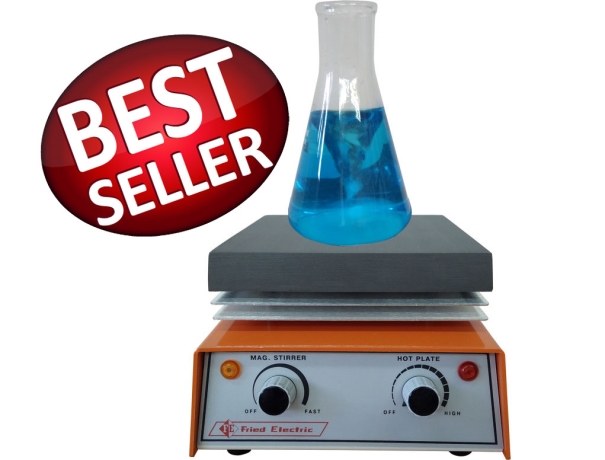
Safety Precautions for Magnetic Stirrer Usage
1. Proper Selection of Stir Bars
Choose the appropriate stir bar size and material for your application. Ensure that the stir bar fits securely in the vessel and does not touch the sides or bottom, as this can lead to excessive friction or damage to the vessel.
2. Secure Flask Attachment
When using a magnetic stirrer, ensure that the flask or container is properly secured to the magnetic stirrer plate. Use appropriate clamps or attachments to prevent the vessel from tipping or falling off during operation.
3. Avoiding Overloading
Avoid overloading the magnetic stirrer with excessively large or heavy containers. This can strain the motor and affect the stirring performance. Follow the manufacturer's guidelines regarding the maximum load capacity of the magnetic stirrer.
4. Monitoring and Adjusting Speed
Regularly monitor the speed of the magnetic stirrer and adjust it as needed. Excessive stirring speed can cause splashing or ejecting of liquid from the container. Start with a low speed and gradually increase it to the desired level.
5. Safe Handling of Magnetic Stirrer
Handle the magnetic stirrer with care, especially when removing or replacing the stir bar. Use appropriate tools such as tongs or forceps to avoid direct contact with the hotplate surface or the stir bar.
Emergency Procedures
Despite taking all the necessary precautions, emergencies can still occur. It is essential to be prepared and familiar with the appropriate emergency procedures.
1. Burns and Injuries
In case of burns or injuries, immediately remove the affected area from the heat source and run cool water over it. Seek medical attention if necessary. Keep a well-stocked first aid kit nearby.
2. Electrical Malfunctions
If you encounter any electrical malfunctions, such as sparks, unusual smells, or smoke, disconnect the hotplate from the power source immediately. Notify the appropriate personnel and follow the lab's electrical safety protocols.
3. Fire and Chemical Spills
In the event of a fire or chemical spill, activate the emergency power-off switch, evacuate the area, and alert the fire department. Use appropriate fire extinguishing equipment only if it is safe to do so.
4. Equipment Failure
If the hotplate or magnetic stirrer malfunctions, discontinue its use and report the issue to the relevant maintenance personnel. Do not attempt to repair or modify the equipment without proper authorization.