Orbital shakers are indispensable tools in cell culture laboratories. Their ability to maintain consistent motion and environment is crucial for the optimal growth and viability of cells. In this article, we'll delve into the proper use of orbital shakers for cell culture, ensuring that you can achieve the best results in your experiments.
What is an Orbital Shaker?
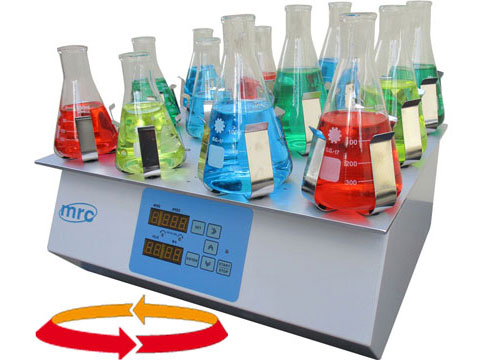
An orbital shaker is a laboratory Equipment designed to agitate and mix liquids in various containers. By creating a circular shaking motion, it ensures even distribution of nutrients and gases, which is vital for cell culture applications. These shakers are commonly used in research and clinical laboratories to culture cells, bacteria, and other microorganisms.
Types of Orbital Shakers
Benchtop Orbital Shakers
These compact units are ideal for small to medium-sized laboratories. They fit comfortably on lab benches and are suitable for a variety of shaking tasks.
Incubator Orbital Shakers
Designed to operate within an incubator, these shakers can maintain controlled temperatures and CO2 levels, making them perfect for sensitive cell cultures that require specific environmental conditions.
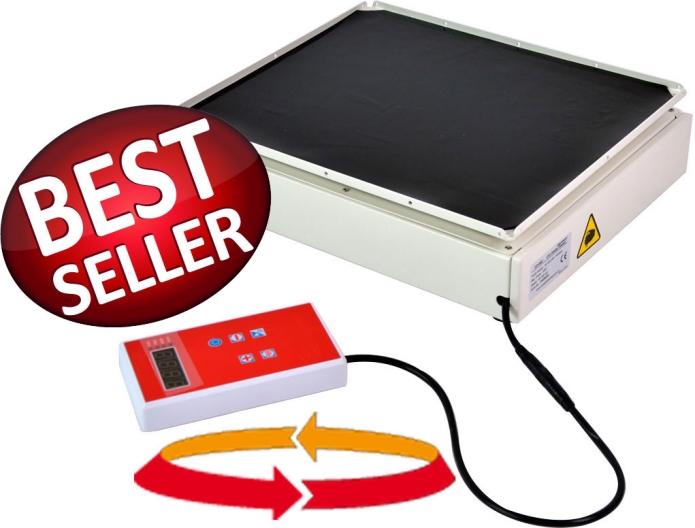
Floor Orbital Shakers
Larger and more robust, floor orbital shakers can handle higher volumes and are suitable for large-scale experiments and industrial applications.
Key Features of Orbital Shakers
Speed and Motion Settings
Orbital shakers come with adjustable speed and motion settings to cater to different experimental needs. Precise control over these parameters is crucial for maintaining the integrity of cell cultures.
Platform Size and Capacity
The platform size determines the number and type of containers that can be accommodated. It's important to choose a shaker with a platform that suits your specific requirements.
Temperature Control
Some advanced models offer built-in temperature control, ensuring that the cells are cultured at optimal conditions. This feature is particularly important for temperature-sensitive cultures.
Why Use an Orbital Shaker for Cell Culture?
Benefits for Cell Growth and Viability
Orbital shakers enhance cell growth by providing uniform nutrient distribution and oxygenation. This consistency is key to achieving reliable and reproducible results.
Enhanced Nutrient Distribution
The shaking motion ensures that nutrients are evenly distributed throughout the culture medium, preventing cells from settling and promoting healthier growth.
Consistent Environmental Conditions
Laboratory Orbital shakers help maintain stable environmental conditions, which are critical for the successful culture of cells.
Setting Up Your Orbital Shaker
Choosing the Right Shaker for Your Needs
Consider factors such as the type of cells you are culturing, the volume of your experiments, and the available lab space when selecting an orbital shaker.
Preparing the Shaker for Use
Before starting, ensure that the shaker is properly calibrated and all settings are adjusted according to your experimental requirements.
Safety Precautions
Always follow safety guidelines to prevent accidents and contamination. Ensure that the shaker is placed on a stable surface and that all containers are securely fastened.
Preparing Cell Culture Samples
Selecting Appropriate Culture Vessels
Choose containers that are compatible with your cell type and experimental design. Common options include flasks, petri dishes, and multi-well plates.
Preparing the Growth Medium
Ensure that the growth medium is properly prepared and sterile. This step is crucial for preventing contamination and promoting healthy cell growth.
Inoculating Cells
Introduce the cells into the growth medium under sterile conditions. This process should be done carefully to avoid contamination and ensure even cell distribution.
Placing Samples on the Orbital Shaker
Balancing the Load
Properly balance the load on the shaker platform to prevent uneven shaking and potential damage to the equipment.
Securing Vessels Properly
Make sure all containers are securely fastened to the shaker platform to avoid spills and contamination.
Adjusting Speed and Settings
Set the shaker to the appropriate speed and other settings based on the requirements of your cell culture protocol.
Optimizing Shaking Conditions
Determining Optimal Speed
The optimal shaking speed varies depending on the type of cells and the experimental conditions. Start with recommended settings and adjust as needed based on cell health and growth.
Adjusting Temperature and CO2 Levels
If your Laboratory shaker has temperature and CO2 control features, adjust them according to the specific needs of your cell culture.
Monitoring Cell Health and Growth
Regularly check the health and growth of your cells to ensure that the shaking conditions are optimal. Make adjustments as necessary.
What is the optimal speed for cell culture on an orbital shaker?
The optimal speed varies depending on the cell type and experimental conditions. Start with the manufacturer's recommendations and adjust as needed.
How often should I clean my orbital shaker?
Regular cleaning is essential. Clean the shaker platform and surrounding areas after each use to prevent contamination.
Can I use an orbital shaker for bacterial cultures?
Yes, orbital shakers are commonly used for bacterial cultures as well as cell cultures.