In both biochemistry and pharmaceutical labs, maintaining precise temperature conditions is essential.
What Are Laboratory Chillers?
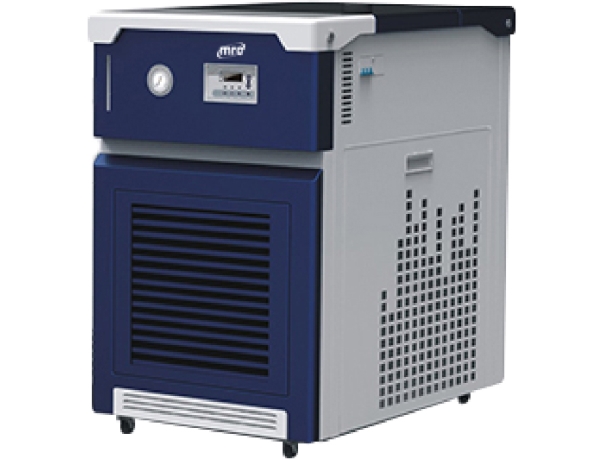
Laboratory chillers are devices designed to remove heat from equipment or processes by circulating a cooling fluid. These systems are crucial for controlling the temperature of samples, instruments, or reactions in a lab environment. Commonly used chillers include air-cooled, water-cooled, recirculating, and immersion chillers.
The Role of Laboratory Chillers in Biochemistry Labs
In biochemistry labs, temperature control is critical to ensure the accuracy and consistency of experimental results. Laboratory chillers help maintain the necessary conditions for various biochemical processes, such as protein crystallization and enzyme reactions.
Protein Crystallization and Laboratory Chillers
Protein crystallization requires precise temperature control to achieve the formation of crystals essential for structural analysis. Laboratory chillers enable biochemists to regulate temperatures with precision, ensuring optimal conditions for protein samples to crystallize without compromising their integrity.
Enzyme Reactions and Laboratory Chillers
Enzymes are sensitive to temperature changes, which can significantly impact their activity. Laboratory chillers provide the controlled environment needed for enzyme reactions, helping scientists maintain consistent temperatures to study enzyme kinetics and stability. This control is crucial for ensuring reproducible and accurate results.
The Role of Laboratory Chillers in Pharmaceutical Labs
Pharmaceutical labs rely heavily on chillers for various applications, particularly in drug development and vaccine production. Maintaining precise temperature conditions ensures the safety, efficacy, and stability of pharmaceutical products.
Drug Development and Laboratory Chillers
During the drug development process, chillers help maintain the integrity of samples and reagents used in the experiments. Whether it's during synthesis, purification, or storage, maintaining the correct temperature is vital for ensuring the quality and consistency of drugs. Laboratory chillers provide the controlled environment necessary for each stage of drug production, safeguarding against temperature fluctuations that could compromise the outcome.
Vaccine Storage and Laboratory Chillers
Vaccines are highly temperature-sensitive and require precise storage conditions to maintain their potency. Laboratory chillers are used to store vaccines at the appropriate temperatures, ensuring they remain effective until administered. In vaccine production, chillers also play a crucial role in maintaining the optimal conditions for the growth of cell cultures and the preservation of sensitive biological materials.
Types of Laboratory Chillers
Understanding the different types of laboratory chillers is essential for selecting the right one for a specific application. The main types include air-cooled, water-cooled, recirculating, and immersion chillers.
Air-Cooled vs. Water-Cooled Chillers
Air-cooled chillers use ambient air to dissipate heat, while water-cooled chillers rely on water for the cooling process. Each type has its advantages: air-cooled chillers are generally easier to install and maintain, making them suitable for smaller labs. In contrast, water-cooled chillers are more efficient for larger labs or environments where heat dissipation is a concern.
Recirculating Chillers
Recirculating chillers work by continuously circulating a coolant through a closed-loop system to remove heat. These chillers are versatile and suitable for a range of applications, including cooling lab equipment and controlling reaction temperatures. They are widely used in biochemistry and pharmaceutical labs for their efficiency and precision.
Immersion Chillers
Immersion chillers are designed to be directly placed into the substance that needs to be cooled. They are ideal for applications requiring rapid cooling, such as when cooling solvents or other liquid samples in biochemical experiments. Immersion chillers are compact and efficient, making them a popular choice for labs with limited space.
How to Choose the Right Laboratory Chiller
When selecting a laboratory chiller, several factors come into play. It’s essential to consider the required temperature range, cooling capacity, budget, and the size of the equipment. Evaluating these factors helps ensure you choose a chiller that meets the specific needs of your lab, whether it's for biochemistry, pharmaceuticals, or other scientific applications.
Maintenance and Care for Laboratory Chillers
Maintaining laboratory chillers is crucial to ensure their longevity and efficiency. Regular maintenance includes checking for leaks, cleaning filters, and ensuring the fluid levels are adequate. Common issues such as coolant leaks, improper temperature settings, and clogged filters can be prevented with proper maintenance, helping labs avoid unexpected downtime.