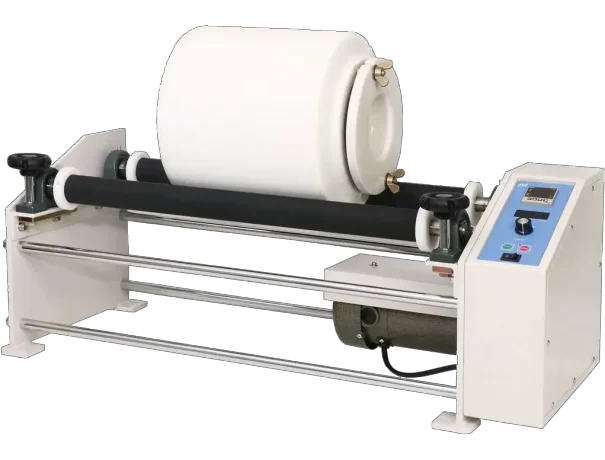
1. General Rule of Thumb
For grinding efficiency, use a mix of ball sizes:
- Large balls for impact force
- Small balls for high surface contact and finer grinding
2. Typical Ball Diameter Ranges
| Mill Pot Volume | Recommended Ball Diameter |
| 1–2 L | 5 – 15 mm |
| 3–5 L | 10 – 20 mm |
| 10–15 L | 20 – 30 mm (include some 10–15 mm for fine grinding) |
3. Material Consideration
- Harder materials: Tungsten carbide or alumina balls
- Softer/organic powders: Zirconia, stainless steel, or PTFE-coated balls
4. Ball-to-Powder Ratio (BPR)
- Common ratio: 5:1 to 10:1 by weight depending on desired fineness and material hardness
Expected Powder Size After Milling
| Milling Conditions | Estimated Final Particle Size |
| Short duration (1–2 hrs), dry/wet milling | ~50–100 µm |
| Optimized wet milling, 6–12 hrs | ~1–10 µm |
| High-energy milling (e.g., PM 400), long time | < 1 µm |
| Cryogenic milling | Nanometer range possible |
Practical Tips
- Use a mix: ~70% large + 30% small balls
- Fill jar to 30–50% with balls + powder
- Avoid overfilling; it reduces grinding efficiency
- For nanopowders: use planetary mills, 5 mm balls, 10+ hrs milling