Laboratories rely on precision and accuracy. Whether you’re conducting research, testing samples, or ensuring product quality, one thing remains consistent: accurate results depend on well-maintained and calibrated lab equipment.
Maintenance in Lab Equipment
Maintaining laboratory equipment is paramount for ensuring precise and reliable measurements. Poorly maintained equipment can lead to inaccurate results, which could compromise experiments, quality control, and regulatory compliance. By following a structured maintenance plan, you can extend the lifespan of your lab equipment and prevent costly downtime due to equipment failure.
Consequences of Neglecting Maintenance
Failing to properly maintain lab equipment can have serious consequences. Instruments like laboratory balances and spectrophotometers can drift from their calibrated settings, leading to inconsistent results. For laboratories working in regulated industries, inaccuracies could result in failed audits or non-compliance with industry standards. Regular maintenance ensures the accuracy and reliability of your data.
Common Lab Equipment and Their Maintenance Needs
Different types of lab equipment require tailored maintenance approaches:
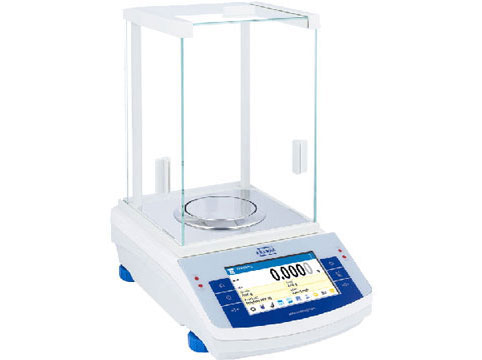
- Analytical Balances: Need frequent calibration due to their sensitivity to environmental changes.
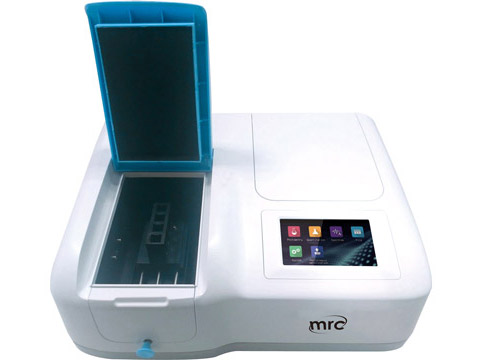
- Spectrophotometers: Require regular cleaning of the optical path and calibration to maintain accuracy.
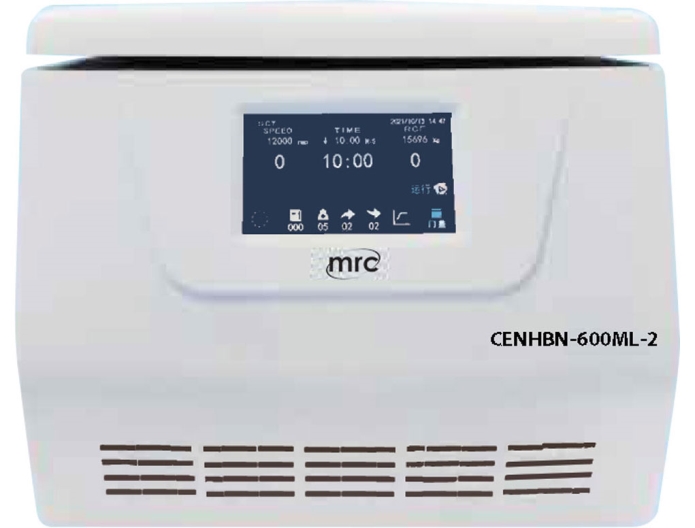
- Centrifuges: Should be balanced and inspected for rotor damage to avoid performance issues.
By understanding the specific needs of each instrument, you can ensure that all your lab equipment operates at peak performance.
Types of Calibration for Lab Equipment
Calibration can be classified into two main types:
- Internal Calibration: Many modern instruments can perform self-calibration using built-in systems.
- External Calibration: Requires using certified calibration standards to ensure the equipment's accuracy.
Understanding when to use internal versus external calibration can help maintain precision without unnecessary downtime.
Calibration for Analytical Balances
Calibrating an analytical balance involves:
- Ensuring the balance is level.
- Zeroing the balance.
- Placing a certified weight and adjusting the balance to match the known value.
- Repeating the process to confirm accuracy.
Calibration for Spectrophotometers
For spectrophotometers:
- Clean the optical surfaces.
- Run a blank sample to set a baseline.
- Use certified reference materials to calibrate the instrument across the required wavelengths.
Daily Maintenance Tips for Laboratory Equipment
Daily upkeep can prevent long-term problems. This includes:
- Cleaning the instruments after each use.
- Checking for signs of wear or damage.
- Performing quick accuracy checks before critical measurements.
Monthly and Yearly Maintenance for Laboratory Equipment
In addition to daily tasks, monthly and yearly maintenance should include:
- Thorough cleaning of all parts.
- Inspection for mechanical issues or wear.
- Full recalibration to ensure long-term accuracy.
How to Choose Calibration Standards
Choosing the right calibration standards is essential for maintaining accuracy. Look for:
- Traceability: The standard should be traceable to national or international standards.
- Accuracy: Ensure the standard has the required precision for your applicatio
How to Handle Calibration Documentation
Proper documentation of calibration activities is essential for audits and quality control. Keep detailed records, including:
- Date of calibration.
- Equipment serial numbers.
- Results and any adjustments made.
The article provides general guidelines and should be followed according to the specific manufacturer's instructions for your lab equipment. Always consult the manufacturer's manual for detailed steps and recommendations tailored to your instruments.