Setting up a research lab in schools with microscopes can seem daunting, but it’s an essential investment in students' education. Microscopes open up a world of discovery, enabling hands-on learning that brings science to life. So, let's dive into the process step-by-step and ensure your lab is top-notch.
Understanding the Types of Microscopes
Light Microscopes
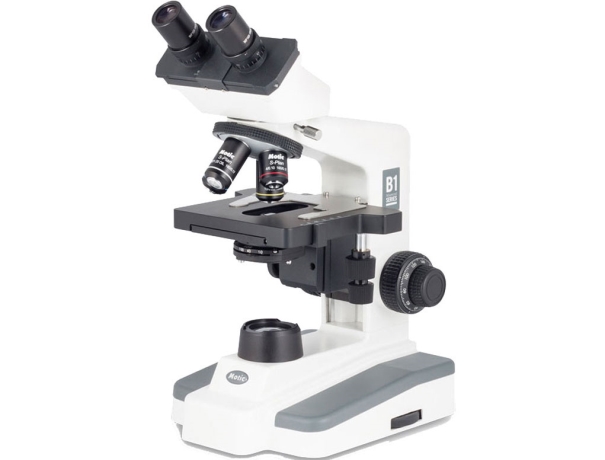
Light microscopes are the most common Microscopes for schools. They use visible light to magnify specimens and are perfect for viewing cells and small organisms. They are user-friendly and ideal for students starting their microscopic journey.
Electron Microscopes
Electron microscopes are more advanced and use electron beams for higher magnification and resolution. These are usually found in higher education institutions due to their complexity and cost. They’re perfect for detailed study of structures at a molecular level.
Stereo Microscopes
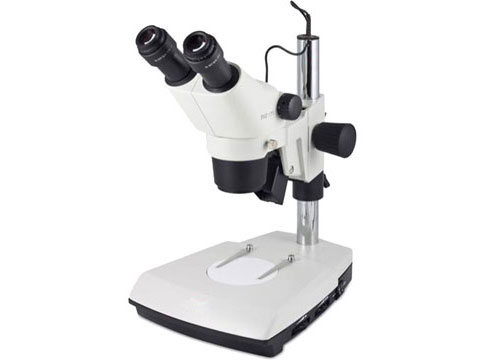
Stereo microscopes provide a 3D view of the specimen. They are great for dissections and observing larger samples. These are particularly useful in middle and high school settings for projects requiring detailed structural analysis.
Choosing the Right Microscopes for Your School
Grade-Level Appropriateness
Match the microscope to the students’ age and skill level. Younger students benefit from simpler, robust models, while older students might need more sophisticated Laboratory Equipment For Schools to match their advanced curriculum.
Specific Uses and Curriculum Integration
Consider how microscopes will be used in your science curriculum. Align your purchases with specific subjects and experiments to maximize the utility of your investment.
Longevity and Durability
Invest in durable microscopes that can withstand regular use. Opt for reputable brands known for quality and reliability to avoid frequent replacements and repairs.
Essential Equipment and Supplies
Slides and Cover Slips
These are the basics for any microscope lab. Stock up on pre-prepared slides as well as blank ones for student experiments.
Staining Kits
Staining kits are vital for highlighting structures within cells, making them easier to study. Ensure you have a variety of stains for different types of specimens.
Cleaning Supplies
Regular maintenance is key to longevity. Keep lens paper, cleaning solutions, and brushes handy to keep your equipment in top shape.
Lab Safety and Training
Safety Protocols
Establish clear safety rules. Ensure students know how to handle microscopes and specimens safely to prevent accidents and damage.
Training Staff and Students
Provide thorough training sessions for both staff and students. Understanding proper use and care of microscopes is essential for a successful lab experience.
Maintenance Procedures
Regularly scheduled maintenance checks will keep your Microscopes functioning well. Create a log for tracking maintenance activities and issues.
Setting Up the Lab Space
Room Layout and Design
Design a layout that promotes ease of movement and access to equipment. Ensure workstations are spacious enough for students to work comfortably.
Lighting and Ventilation
Good lighting is essential for microscopy work. Ensure your lab has ample light, preferably natural. Proper ventilation is also necessary to maintain a safe and comfortable environment.
Storage Solutions
Organize your lab with proper storage for microscopes and accessories. Label storage areas to keep everything in its place and easily accessible.
Integrating Technology
Digital Microscopes
Consider incorporating digital microscopes. They allow images to be viewed on screens, making group discussions easier and enhancing the learning experience.
Software and Apps
Use software and apps that connect to your microscopes. These tools can help students capture, annotate, and share images, fostering collaborative learning.
Online Resources and Databases
Access to online resources and databases can expand the learning experience. Use them to find specimen images, research articles, and instructional videos.
Creating a User-Friendly Environment
Ergonomic Considerations
Ensure that workstations are ergonomically designed to prevent strain. Adjustable chairs and microscope stands can make a big difference.
Accessibility Features
Make your lab accessible to all students. Consider height-adjustable tables and other adaptive equipment to accommodate students with disabilities.
Visual and Instructional Aids
Use posters, models, and instructional videos to aid learning. Visual aids can reinforce concepts and provide additional context for experiments.
Implementing Lab Activities and Experiments
Designing Age-Appropriate Experiments
Create experiments that are suitable for the age group you are teaching. Simple observations for younger students and more complex investigations for older ones.
Aligning with Curriculum Standards
Ensure that lab activities align with educational standards and curriculum goals. This alignment helps in meeting learning objectives effectively.
Encouraging Scientific Inquiry
Promote curiosity and inquiry-based learning. Encourage students to ask questions, form hypotheses, and conduct experiments to find answers.
Assessing and Improving Lab Performance
Monitoring Student Progress
Regularly assess students’ understanding and skills. Use quizzes, lab reports, and practical exams to gauge their progress.
Collecting Feedback
Gather feedback from students and staff to identify areas for improvement. Use surveys and informal discussions to gather insights.
Continuous Improvement Strategies
Regularly review and update your lab practices and equipment. Stay informed about new developments in microscopy and science education.