Proper lab preparation ensures accurate results, safety, and efficiency. So, let's dive into the nitty-gritty of getting your lab ready for that crucial experiment or groundbreaking research.
Understanding the Experiment
Define the Purpose
Before you start, you need to have a clear understanding of what you're trying to achieve. Is it testing a new hypothesis, exploring a phenomenon, or replicating previous research? Defining the purpose will guide every other step in your preparation.
Identify the Variables
Knowing your independent and dependent variables is crucial. What will you change, and what will you measure? This clarity helps in setting up the experiment correctly and in analyzing the data later.
Review the Protocol
Go through the experimental protocol thoroughly. Make sure you understand every step and have all the necessary information. If there are any unclear instructions, now is the time to seek clarification.
Setting Up the Laboratory Space
Organize the Workspace
A cluttered workspace can lead to mistakes. Ensure that your work area is clean and organized. Have designated spots for all your equipment and materials, so you know exactly where to find them when needed.
Ensure Proper Ventilation
Good ventilation is essential, especially if you're working with chemicals that emit fumes. Make sure the lab has a functioning fume hood and that the general ventilation system is in good working order.
Check Lighting Conditions
Adequate lighting is often overlooked but is crucial for precision work. Make sure your workspace is well-lit, and consider additional lighting if necessary, particularly for detailed tasks.
Gathering Necessary Equipment and Materials
List of Required Equipment
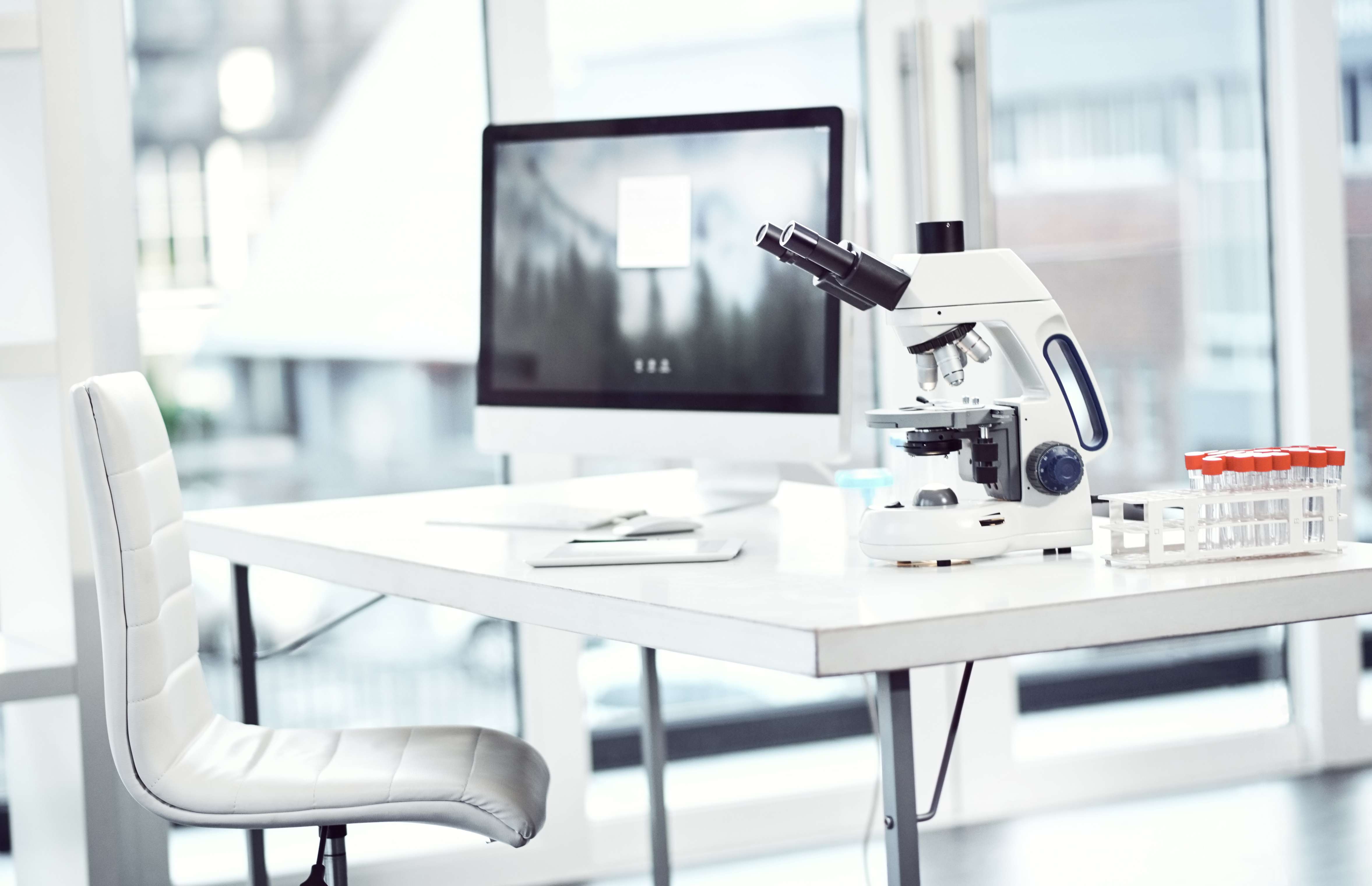
Make a comprehensive list of all the equipment you'll need. This includes everything from large machinery to small tools Includes appropriate laboratory equipment. Double-check to ensure you haven’t missed anything.
Sourcing Materials
Once you have your list, start gathering your materials. This might involve ordering chemicals, borrowing equipment from other labs, or purchasing new tools. Ensure you have everything before the experiment starts to avoid interruptions.
Preparing Chemicals and Reagents
If your experiment involves chemicals, prepare them in advance. Measure and mix reagents as required and label them clearly. This saves time and reduces the risk of errors during the experiment.
Safety First
Wear Appropriate PPE
Personal Protective Equipment (PPE) is non-negotiable. Depending on your experiment, this could include lab coats, gloves, goggles, and face shields. Safety first!
Understand Safety Data Sheets (SDS)
Every chemical you'll use should come with a Safety Data Sheet. These sheets provide crucial information on handling, storage, and emergency measures. Familiarize yourself with them before starting.
Emergency Procedures and Equipment
Know the location of emergency equipment like fire extinguishers, eye wash stations, and first aid kits. Also, ensure you understand the procedures for dealing with accidents or spills.
Calibrating Instruments
Importance of Calibration
Calibration ensures that your instruments provide accurate readings. Even small deviations can lead to significant errors in your results.
Step-by-Step Calibration Process
Follow the manufacturer’s instructions for calibrating each piece of equipment. This might involve using standard solutions, adjusting settings, or performing test runs.
Record Keeping
Keep a detailed log of all calibration activities. Note the date, the instrument, and the results of the calibration. This helps in maintaining consistency and tracking any issues.
Setting Up Data Recording Systems
Choosing the Right Software
Select software that meets your data recording needs. This could be a simple spreadsheet or specialized lab software. Ensure it’s user-friendly and reliable.
Setting Up Data Loggers
If you're using automated data loggers, set them up according to the manufacturer’s instructions. Test them to ensure they’re working correctly.
Organizing Data Collection Sheets
Prepare any manual data collection sheets in advance. Organize them logically, so you can quickly and easily record your observations during the experiment.
Cleaning and Sterilizing the Workspace
Cleaning Procedures
A clean workspace is essential for accurate results. Follow the lab’s cleaning procedures to ensure all surfaces and equipment are free from contaminants.
Sterilization Techniques
If your experiment requires sterile conditions, use appropriate sterilization techniques. This might involve autoclaving equipment, using chemical sterilants, or working in a sterile hood.
Waste Disposal
Proper disposal of waste is crucial for safety and compliance. Follow your lab’s guidelines for disposing of chemical, biological, and general waste.
Running a Pilot Test
Purpose of Pilot Testing
A pilot test is a small-scale version of your experiment. It helps you identify potential issues and make adjustments before the full-scale experiment.
Identifying Potential Issues
During the pilot test, pay close attention to any problems that arise. These could be related to equipment, procedures, or unexpected variables.
Making Necessary Adjustments
Based on the pilot test results, make any necessary adjustments to your setup, protocol, or equipment.
Reviewing Ethical Considerations
Obtaining Necessary Approvals
If your experiment involves human or animal subjects, ensure you have all the necessary ethical approvals. This might involve submitting proposals to an ethics committee.
Ensuring Participant Consent
For experiments involving human participants, obtain informed consent. This means explaining the experiment, its risks, and ensuring participants agree voluntarily.
Maintaining Confidentiality
Ensure that all data collected is kept confidential and secure. This is particularly important for sensitive information or personal data.
Final Preparations
Double-Check Equipment and Materials
Before you start, double-check that all equipment is functioning and all materials are prepared. This final check can prevent last-minute issues.
Briefing the Team
If you’re working with a team, hold a briefing session. Make sure everyone understands their roles, the protocol, and any safety procedures.
Scheduling the Experiment
Plan the timing of your experiment carefully. Ensure that all necessary personnel and resources are available when needed.
Conducting the Experiment
Following the Protocol
Stick to the experimental protocol closely. Deviating from it can lead to inconsistent results and complicate data analysis.
Monitoring Progress
Keep a close eye on the experiment as it progresses. Monitor variables, take notes, and be prepared to intervene if something goes wrong.