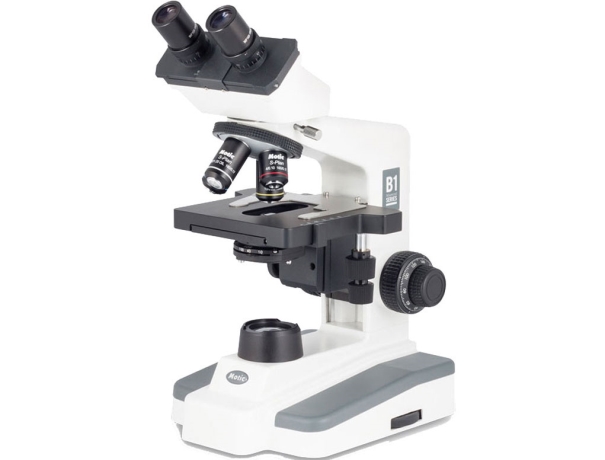
A biological microscope is a device used to magnify small objects that are otherwise invisible to the naked eye. It utilizes light to illuminate the specimen and magnify its image, allowing for detailed examination.
Importance of Using Biological Microscopes Properly
Proper usage of a biological microscope ensures accurate observations and prevents damage to both the microscope and the specimens being studied. It also maximizes the lifespan of the instrument, providing long-term benefits for research and education.
Parts of a Biological Microscope
Before diving into its usage, it's essential to familiarize oneself with the various components of a biological Microscope:
- Objective Lenses: These lenses are responsible for magnifying the specimen.
- Eyepiece: Also known as the ocular lens, it further magnifies the image produced by the objective lens.
- Stage: The platform where the specimen is placed for observation.
- Focus Knobs: Used to adjust the focus and clarity of the image.
- Illumination System: Provides light to illuminate the specimen.
Preparing the Microscope for Use
Proper preparation ensures optimal performance:
- Cleaning the Lenses: Use lens paper and a gentle cleaning solution to remove any dust or smudges.
- Adjusting the Interpupillary Distance: Align the eyepieces to match the distance between your eyes.
- Checking the Light Source: Ensure the light source is functioning correctly and adjust its intensity if necessary.
Proper Handling of Specimens
Careful handling of specimens is crucial for obtaining clear and accurate observations:
- Choosing the Right Slide and Cover Slip: Select slides and cover slips of appropriate thickness and quality.
- Placing the Specimen on the Slide: Position the specimen in the center of the slide, ensuring it's properly secured.
- Applying Stain (if necessary): Staining may be necessary to enhance the visibility of certain structures within the specimen.
Adjusting the Microscope Settings
To obtain clear images, proper adjustments are essential:
- Setting the Magnification: Choose the appropriate objective lens to achieve the desired level of magnification.
- Focusing the Specimen: Use the coarse and fine focus knobs to bring the specimen into sharp focus.
- Adjusting the Brightness: Regulate the intensity of the light source to achieve optimal illumination.
Techniques for Viewing
Different microscopy techniques offer varying levels of contrast and detail:
- Brightfield Microscopy: The most common technique, suitable for observing stained specimens.
- Phase Contrast Microscopy: Enhances the contrast of transparent specimens without staining.
- Darkfield Microscopy: Illuminates specimens against a dark background, ideal for observing live and unstained specimens.
Recording Observations
Documenting observations is essential for analysis and reference:
- Using a Camera Attachment: Attach a camera to the microscope to capture images and videos.
- Taking Notes: Record relevant information such as magnification, observations, and any abnormalities.
Maintenance and Storage
Proper maintenance prolongs the lifespan of the microscope:
- Cleaning After Use: Wipe down the microscope with a soft cloth and disinfectant to remove any residual debris.
- Storing Properly: Cover the microscope and store it in a clean, dry environment to prevent dust accumulation and damage.
Benefits of Proper Microscope Usage
Adhering to proper usage guidelines offers numerous benefits:
Clearer Images: Properly adjusted microscopes produce sharper and more detailed images.
Longer Lifespan of the Microscope: Regular maintenance and careful handling extend the lifespan of the instrument, saving time and resources in the long run.