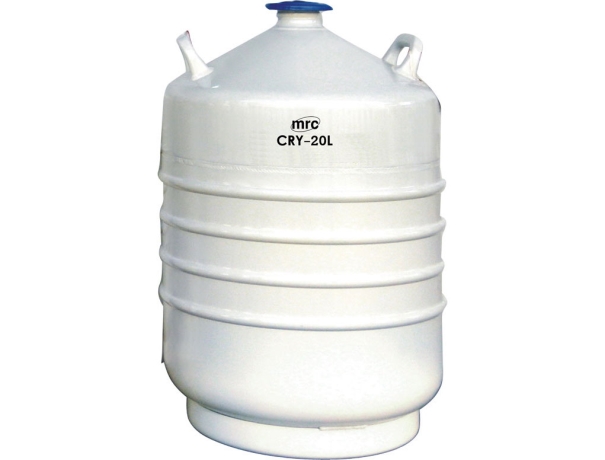
Cryogenic containers, also known as cryo tanks or Dewar flasks, are specialized storage units designed to hold materials at extremely low temperatures. They are commonly used to store liquid gases such as nitrogen and helium, which are essential for various laboratory applications.
Factors to Consider
When selecting a cryogenic container, it’s important to consider the specific needs of your laboratory. Factors such as the type of material being stored, required temperature, container capacity, and duration of storage will influence your choice.
Matching Container Type to Application
- Biological Samples: Liquid nitrogen containers are ideal due to their ability to maintain stable temperatures around -196°C.
- Scientific Equipment: Liquid helium containers are preferred for their ultra-low temperature capabilities, reaching as low as -269°C.
- Short-term Storage: Dewar flasks offer the flexibility needed for temporary storage and transportation of cryogenic fluids.
Preparation Before Use
Safety Precautions
Safety is paramount when working with Laboratory cryogenic containers. Ensure that all personnel are trained in handling cryogenic materials and are aware of the potential hazards. Always use appropriate Personal Protective Equipment (PPE), such as gloves, goggles, and face shields.
Equipment and Accessories Needed
Before using cryogenic containers, gather all necessary equipment and accessories, including transfer hoses, pressure relief valves, and temperature monitoring devices. Having the right tools on hand will ensure a smooth and safe operation.
Handling Cryogenic Containers
Proper Handling Techniques
When handling cryogenic containers, move slowly and carefully to avoid spills and splashes. Use proper lifting techniques to prevent injury and always transport containers with secure handling equipment.
Dos and Don'ts
- Do: Ensure the container is in good condition before use.
- Don't: Overfill the container, as this can lead to pressure buildup and potential rupture.
Step-by-Step Guide-General instructions. Follow the manufacturer's instructions
- Check the Container: Inspect for any damage or wear.
- Attach Transfer Hose: Securely connect the hose to the fill port.
- Begin Filling: Slowly open the supply valve and allow the cryogenic fluid to flow into the container.
- Monitor Levels: Keep an eye on the fill level to prevent overfilling.
- Close Valve: Once the desired level is reached, close the supply valve and disconnect the hose.
Common Mistakes to Avoid
- Avoid filling too quickly, which can cause splashing and rapid pressure changes.
- Ensure all connections are secure to prevent leaks.
Storing Samples in Cryogenic Containers
Sample Preparation
Properly prepare samples by sealing them in appropriate containers and labeling them clearly. This helps in maintaining sample integrity and avoiding cross-contamination.
Organization and Inventory Management
Keep an organized inventory of all samples stored in cryogenic containers. Use a digital tracking system to maintain records and easily locate samples when needed.
Transporting Cryogenic Containers
Safe Transportation Practices
Transport cryogenic containers using vehicles equipped with appropriate securing mechanisms. Ensure containers are upright and stable during transit.
Regulatory Requirements
Adhere to all relevant transportation regulations, including those set by local and international bodies. This ensures the safe and legal transport of cryogenic materials.
Maintenance of Cryogenic Containers
Routine Checks and Inspections
Regularly inspect cryogenic containers for signs of wear, damage, or malfunction. Perform routine maintenance checks to ensure optimal performance and safety.
Cleaning Procedures
Clean cryogenic containers using methods that do not compromise their integrity. Avoid using abrasive materials that could damage the container’s surface.
