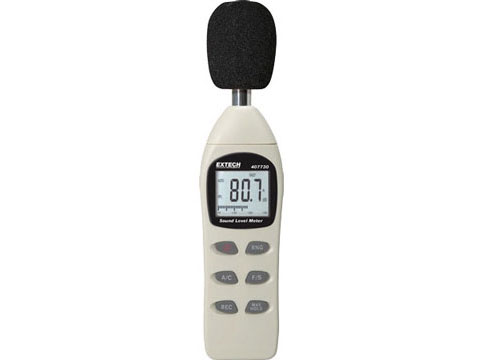
Decibel meters, also known as sound level meters or SPL meters, are electronic devices designed to measure sound pressure levels in decibels (dB). They consist of a microphone, a preamplifier, filters, and a display unit. These instruments capture and quantify sound levels, allowing for the assessment of noise pollution, compliance with regulations, and optimization of audio quality in various environments.
Selecting the Right Decibel Meter
When choosing a decibel meter, consider factors such as accuracy, frequency range, dynamic range, response time, and additional features like data logging or octave band analysis. Select a meter that suits your specific requirements and intended applications.
Familiarizing Yourself with Decibel Meter Controls
Before using , familiarize yourself with its controls. These may include power buttons, range selection, filter settings, and display options. Refer to the user manual provided by the manufacturer for detailed instructions on operating the specific model.
Calibrating the Decibel Meter
To ensure accurate readings, it's crucial to calibrate the sound meter regularly. Calibration involves comparing the meter's response to a known sound source of a known sound level. Follow the manufacturer's instructions on how to perform calibration or seek professional calibration services.
Choosing the Right Measurement Settings
Depending on your measurement requirements, you may need to adjust the decibel meter's settings. Consider factors like A-weighting or C-weighting, time weighting (fast or slow), and measurement ranges. Understanding these settings will help you capture the most relevant sound data for your specific application.
Taking Sound Measurements
To measure sound levels accurately, follow these steps:
- Place the noise measurement device in the desired location, ensuring it is not obstructed or exposed to extreme environmental conditions.
- Set the appropriate measurement settings, including weighting and time response.
- Start the measurement and allow the meter to stabilize.
- Take multiple measurements at different times and locations to ensure representative data.
- Record the readings or use the data logging function if available.
Interpreting Decibel Meter Readings
Decibel meter or sound meter readings indicate the sound pressure level in decibels. Understanding the context and purpose of your measurements is vital for proper interpretation. Compare the readings to established noise standards, regulations, or specific guidelines relevant to your industry or application.

Factors Affecting Sound Measurements
Several factors can influence sound measurements, including distance from the sound source, background noise, reflections, and the environment's acoustic characteristics. Consider these factors and apply appropriate corrections or adjustments to ensure accurate and meaningful sound level readings.
Proper Maintenance and Care of Decibel Meters
To maintain the accuracy and reliability of your decibel meter, follow these maintenance guidelines:
- Keep the microphone clean and free from dust or debris.
- Store the meter in a protective case when not in use.
- Avoid exposing the meter to extreme temperatures or humidity.
- Regularly check and replace the batteries as needed.
- Follow the manufacturer's recommendations for service and calibration intervals.
Applications of Decibel Meters
Decibel meters have various applications, including:
- Environmental noise assessment and control
- Occupational health and safety
- Building acoustics and architectural design
- Entertainment and event management
- Product testing and quality control
- Traffic and transportation noise monitoring
- Research and scientific studies
Safety Considerations
When using, prioritize your safety by following these precautions:
- Avoid placing the microphone too close to loud sound sources.
- Use appropriate hearing protection in loud environments.
- Adhere to safety guidelines and regulations specific to your industry or application.
- Familiarize yourself with potential risks associated with high sound pressure levels and take necessary precautions.
Legal Regulations and Standards
Different regions and industries have specific regulations and standards concerning noise levels. Stay informed about the applicable laws and guidelines to ensure compliance and promote a healthy and safe acoustic environment.
Tips for Accurate Sound Level Measurements
To improve the accuracy of your sound level measurements, consider the following tips:
- Position the microphone at the ear level of the person or area of interest.
- Avoid blocking the microphone with your hand or body.
- Take measurements in multiple locations to account for variations.
- Maintain a consistent measurement distance from the sound source.
- Verify the calibration of the meter regularly.