Laboratory vacuum pumps are essential tools used in various scientific processes, from vacuum filtration to freeze-drying. They create a vacuum by removing air and other gases from a closed system to lower the pressure inside, enabling the extraction, purification, or analysis of different substances. Using laboratory vacuum pumps may seem intimidating at first, but with the right knowledge and techniques, it can be done efficiently and safely. In this article, we'll cover everything you need to know about how to use.
Laboratory vacuum pumps are versatile tools that create a low-pressure environment inside a closed system, allowing for various scientific processes. Different types are used depending on the application, and they require specific knowledge and maintenance. Using correctly and safely is crucial for obtaining accurate results and preventing accidents.
Understanding Vacuum Pumps
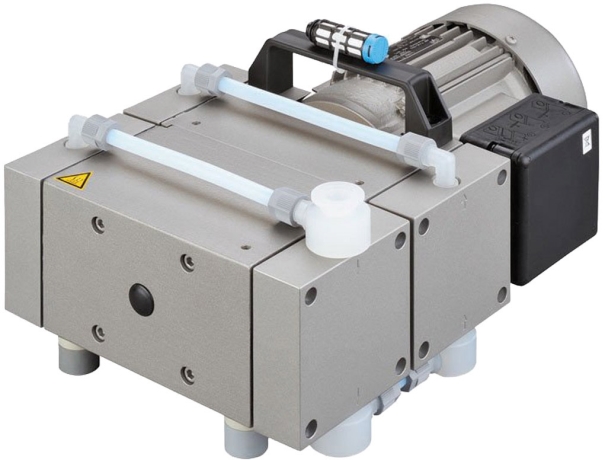
A vacuum pump is a device that removes gas molecules from a sealed volume, creating a partial or complete vacuum. It lowers the pressure inside the system, allowing for the manipulation of substances such as liquids and gases. Vacuum pumps work by creating a difference in pressure between the system and the outside atmosphere, causing gas molecules to move towards the pump and away from the system. The lower the pressure inside the system, the more efficient the pump will be.
Types of Vacuum Pumps
There are different types of Laboratory vacuum pumps used in laboratory applications. Some of the most common ones are:
Rotary Vane Vacuum Pumps
Rotary vane vacuum pumps use a rotor with vanes that rotate inside a chamber, creating a vacuum by trapping gas molecules and expelling them out of the chamber. They are widely used in chemistry and biology laboratories for medium to high vacuum applications.
Diaphragm Vacuum Pumps
Diaphragm vacuum pumps use a flexible membrane that oscillates back and forth to create a vacuum by compressing and expanding the gas inside the pump chamber. They are suitable for low to medium vacuum applications and are preferred in applications where oil-free vacuum is required.
Scroll Vacuum Pumps
Scroll vacuum pumps use two spiral scrolls that interlock and rotate, compressing and expanding gas to create a vacuum. They are ideal for cleanroom applications and can provide a dry and oil-free vacuum.

Components of Vacuum Pumps
Vacuum pumps consist of several components that work together to create a vacuum. The main ones are:
Pump Head
The pump head is the main body that contains the mechanism responsible for creating the vacuum. It can be made of different materials depending on the application.
Motor
The motor provides the power to the vacuum pump, enabling the pump head to function.
Inlet and Outlet Ports
The inlet and outlet ports are the openings where the pump is connected to the system and the atmosphere, respectively.
Vacuum Gauge
The vacuum gauge is a device that measures the pressure inside the system, allowing the user to adjust the pump accordingly.
Vacuum Pump Maintenance
Maintaining a vacuum pump is crucial for its proper functioning and longevity. Regular maintenance can prevent pump failure, decrease downtime, and ensure accuracy in scientific experiments. Here are some maintenance tips:
- Check and change the oil regularly: Vacuum pumps that use oil require regular oil checks and changes. Dirty or low oil levels can damage the pump and cause it to malfunction. Consult the user manual for the recommended oil type and change frequency.
- Clean the pump components: Dust, dirt, and debris can accumulate inside the pump and reduce its efficiency. Regularly clean the pump head, motor, and inlet and outlet ports using a soft brush or cloth.
- Inspect the pump for leaks: Leaks in the pump can cause a loss of vacuum pressure and affect the results of experiments. Check for leaks by performing a leak test and fix any issues immediately.
- Replace worn-out parts: Vacuum pumps have parts that wear out over time, such as the vanes in rotary vane pumps or the diaphragm in diaphragm pumps. Replace worn-out parts as soon as possible to prevent pump failure.
Setting Up a Vacuum Pump
Before using, it's essential to set it up correctly. Here are the steps to follow:
- Select the appropriate vacuum pump: Choose a vacuum pump that matches the application's requirements, such as the required vacuum level, flow rate, and type of gas being removed.
- Connect the pump to the system: Connect the pump to the system using hoses or tubing, ensuring a tight seal. Use clamps or connectors to secure the connection.
- Connect the vacuum gauge: Connect the vacuum gauge to the pump's inlet port to monitor the pressure inside the system.
- Turn on the pump: Turn on the pump and allow it to run for a few minutes to reach its operating temperature and create a vacuum.
How to Use a Vacuum Pump for Filtration
Vacuum pumps are commonly used for vacuum filtration, which is the process of separating a solid from a liquid using a filter. Here are the steps to follow:
- Attach the filter to a Buchner funnel: Place the filter paper or membrane on top of the Buchner funnel and secure it in place using a clamp.
- Connect the funnel to the vacuum pump: Connect the Buchner funnel to the pump using a hose or tubing, ensuring a tight seal.
- Pour the liquid mixture onto the filter: Pour the liquid mixture onto the filter paper or membrane, allowing the liquid to pass through and leaving the solid behind.
- Apply vacuum: Turn on and apply vacuum to the system, allowing the liquid to pass through the filter more quickly.
- Collect the filtrate: Collect the filtrate in a container and dispose of the solid.
How to Use a Vacuum Pump for Distillation
Vacuum pumps are also used for distillation, which is the process of separating two or more substances by heating them and collecting their vapor. Here are the steps to follow:
- Set up the distillation apparatus: Set up the distillation apparatus, including the flask, condenser, and receiver, according to the specific procedure.
- Connect: Connect the vacuum pump to the system, ensuring a tight seal.
- Turn on the pump: Turn on and apply vacuum to the system.
- Heat the mixture: Heat the mixture in the flask, allowing it to vaporize and condense in the condenser.
- Collect the distillate: Collect the distillate in the receiver and repeat the process as necessary.
How to Use a Vacuum Pump for Degassing
Vacuum pumps are also used for degassing, which is the process of removing gas from a liquid or solid material. Here are the steps to follow:
- Prepare the material: Prepare the material by mixing or stirring it to ensure that any trapped gas is released.
- Place the material in a vacuum chamber: Place the material in a vacuum chamber, ensuring that it's covered by the liquid or solid.
- Connect: Connect the vacuum pump to the chamber, ensuring a tight seal.
- Apply vacuum: Turn on and apply vacuum to the chamber, allowing the gas to escape from the material.
- Monitor the process: Monitor the process by observing the material and the vacuum gauge. Once the desired level of degassing is achieved, turn off and release the vacuum.