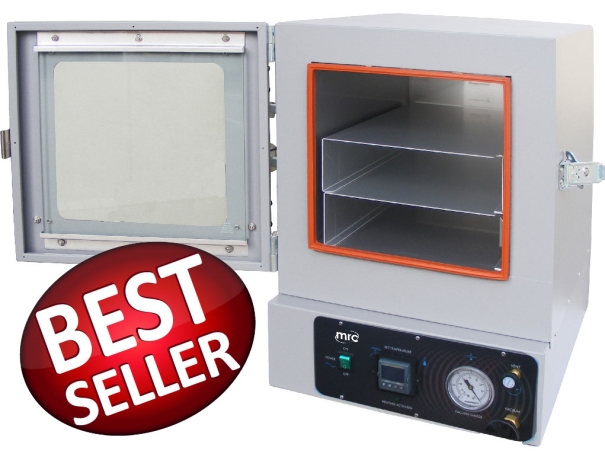
Vacuum ovens are versatile and widely-used laboratory equipment that can be used for various applications, such as drying, curing, and dehydrating. Vacuum ovens work by removing air and other gases from the chamber, which helps to lower the boiling point of water and other solvents, allowing for faster and more efficient drying. In this article, we will discuss how to use vacuum ovens effectively for various applications.
How Vacuum Ovens Work
Vacuum ovens work by creating a low-pressure environment within the chamber, which helps to remove air and other gases. This process helps to lower the boiling point of water and other solvents, allowing for faster and more efficient drying. They can also be used to prevent oxidation and preserve the sample's quality.
Types of Vacuum Ovens
There are two main types of vacuum ovens: thermal vacuum ovens and vacuum drying ovens. Thermal is used for drying and curing delicate samples at low temperatures, while vacuum drying ovens are used for drying and dehydrating samples at higher temperatures.
Preparing for Use
Safety Considerations
Before using, it is important to ensure that you are following all safety procedures. Always wear appropriate personal protective equipment (PPE), such as gloves and safety glasses. Additionally, make sure that the oven is placed in a well-ventilated area to prevent the buildup of hazardous gases.
Choosing the Right Vacuum Pump
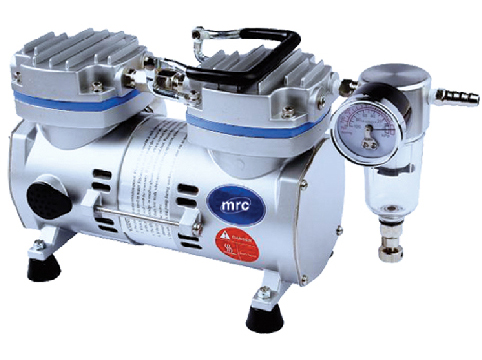
To achieve the desired vacuum level, it is important to choose the right vacuum pump. Two types of vacuum pumps are commonly used with vacuum ovens: diaphragm pumps and rotary vane pumps. Diaphragm pumps are quieter and more efficient, while rotary vane pumps are more robust and can achieve higher vacuum levels.
Preheating the Oven
Before loading the sample, it is important to preheat the laboratory oven to the desired temperature. This step helps to ensure that the sample is evenly heated and prevents thermal shock.
Setting Up the Experiment
Loading the Sample
When loading the sample, it is important to ensure that it is evenly spread out and not overcrowded. Overcrowding the sample can lead to uneven drying and can also affect the vacuum level.
Choosing the Right Vacuum Level
The vacuum level required will depend on the type of sample being dried and the desired drying time. For most applications, a vacuum level of around 0.1-0.5 mbar is sufficient.
Setting the Temperature
The temperature required will depend on the type of sample being dried. It is important to ensure that the temperature is set correctly to prevent thermal degradation or damage to the sample.
Monitoring the Experiment
Once the experiment is running, it is important to monitor it regularly to ensure that the sample is drying evenly and that the vacuum level is being maintained. If the vacuum level drops, it may be necessary to adjust the vacuum pump or the vacuum line to maintain the desired level.