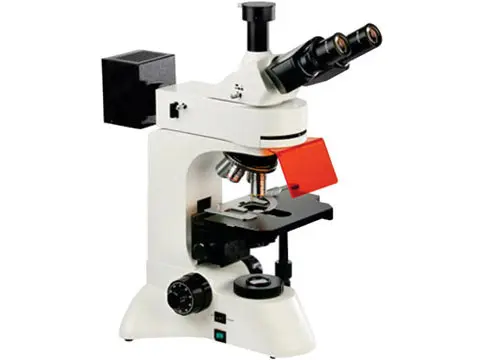
Illuminations for Microscopes: LED and Fibre Optic Lighting,Applications, and Benefits
Microscopic analysis requires high-quality illumination to enhance contrast, resolution, and visibility.
The choice of illumination directly impacts the accuracy and efficiency of observations across
various scientific
and industrial applications. Among the commonly used illumination technologies, LED (Light
Emitting Diode) lighting
and fibre optic lighting stand out due to their reliability, energy efficiency, and adaptability.
LED Illumination for Microscopes
LED illumination is a modern lighting solution that has gained popularity in microscope due to its
efficiency, long lifespan,
and consistent color temperature. Unlike traditional halogen bulbs, LEDs do not generate excessive
heat, making them ideal for
prolonged use without affecting delicate specimens.
Advantages of LED Illumination
- Energy Efficiency: LEDs consume significantly less power compared to halogen or metal halide
lamps.
- Long Lifespan: With an operational life of up to 50,000 hours, LEDs reduce the need for frequent
replacements.
- Stable Light Output: LEDs provide consistent illumination without flickering or gradual dimming
over time.
- Cool Operation: Generates minimal heat, preventing damage to heat-sensitive samples.
- Compact Design: Allows for integration into compact microscope models.
Applications of LED Illumination
1. Biological Microscopy: Used in fluorescence microscope, phase-contrast, and bright-field imaging.
2. Material Science: Ideal for metallurgical analysis and inspection of composites.
3. Forensic Analysis: Used in crime labs for fiber, residue, and trace analysis.
4. Medical Diagnostics: Assists in histopathology and cytology for high-precision imaging.
5. Live Cell Imaging: Provides gentle illumination that does not damage or overheat living
specimens.
Fibre Optic Illumination for Microscopes
Fibre optic lighting utilizes a powerful external light source, such as a halogen or LED lamp, to
deliver bright, adjustable
illumination through flexible fiber bundles. It is particularly useful for applications requiring
high-intensity, directed
lighting with minimal interference.
Advantages of Fibre Optic Illumination
- High Intensity: Produces intense, focused light suitable for detailed examination.
- Flexible Light Delivery: Light can be precisely directed to specific areas without affecting the
sample.
- Remote Placement of Light Source: Reduces heat buildup near the specimen.
- Customizable Illumination: Can be adjusted to achieve optimal contrast and resolution.
Applications of Fibre Optic Illumination
1. Stereomicroscopy: Used for examining three-dimensional specimens, such as insects and
geological samples.
2. Industrial Inspection: Essential for checking microstructures in semiconductors and electronic
components.
3. Gemology: Helps in analyzing the clarity, cut, and inclusions of gemstones.
4. Metallurgical Microscopy: Assists in studying the surface characteristics and grain structures of
metals.
5. Laser Applications: Works well in conjunction with laser excitation sources in advanced research
setups.
Choosing the Right Illumination for Microscopy
When selecting an illumination source, consider the following factors:
- Type of Specimen: Living samples benefit from cool LED lighting, whereas highly reflective
specimens may require directed
fibre optic illumination.
- Application Needs: Bright-field and fluorescence imaging typically use LED lighting, while fibre
optics are preferred for
specialized industrial and material sciences applications.
- Heat Sensitivity: LEDs are the best option for heat-sensitive biological samples.
- Intensity and Adjustability: Fibre optic lighting provides high-intensity illumination with directional
control, ideal for
high-magnification and detailed work.