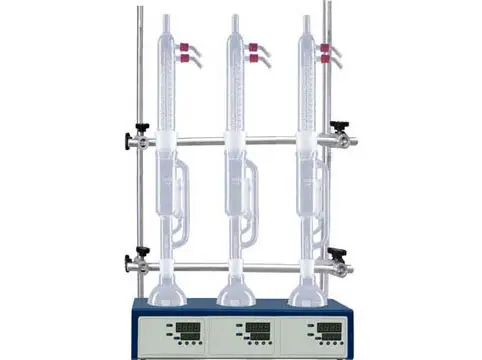
Soxhlet extraction is a laboratory technique used to extract lipids, oils, fats, and other soluble compounds from solid samples using a continuous solvent recycling process. Instead of manually soaking materials or constantly replacing solvent, the Soxhlet system automates the washing cycle for maximum efficiency.
Why the Method Still Matters Today
Even with modern extraction technologies available, Soxhlet extraction remains popular because it is reliable, standardized, and universally accepted in chemistry, environmental testing, and food science.
History and Origin of Soxhlet Apparatus
Franz von Soxhlet and Dairy Fat Analysis
The apparatus was invented in 1879 by German agricultural chemist Franz von Soxhlet. His original goal was simple but impactful: accurately measure fat content in milk and dairy products. Over time, the method expanded far beyond food chemistry.
Evolution of the Technique Over Time
Today, Soxhlet extraction is used in academic labs, industrial research facilities, and regulatory testing. The design has stayed relatively unchanged because it works exceptionally well.
Core Components of a Soxhlet Apparatus
To understand the technique, let’s break down the hardware.
Round Bottom Flask
Holds the solvent, which is heated until it evaporates.
Extraction Chamber
Contains the sample in a cellulose thimble that prevents solid particles from moving into the solvent.
Condenser
Continuously cools vapor back into liquid, allowing it to drip onto the sample.
Siphon Tube and Filters
When solvent reaches a certain level, it automatically siphons back into the flask, carrying extracted compounds with it.
How Soxhlet Extraction Works
Step by Step Operation
- Solvent is placed in the round bottom flask.
- Heat source causes the solvent to evaporate.
- Vapor travels upward into the condenser.
- Condensed droplets fall onto the sample.
- Extracted compounds accumulate in the chamber.
- Siphon mechanism drains solvent back to the flask.
- The cycle repeats for several hours.
Role of Solvent Evaporation and Condensation
This continuous closed loop washes the sample repeatedly without losing solvent.
Repeated Washing Cycle Explained
Think of it like repeatedly rinsing a sponge until all color or oil has been removed.
Common Solvents Used
Hexane
Popular for lipid extraction due to low boiling point.
Ethanol and Methanol
Used when working with natural products or food samples.
Petroleum Ether
Effective for hydrophobic compounds.
Safety and Compatibility Considerations
Always select a solvent based on chemical polarity, volatility, toxicity, and lab safety policies.
Applications of Soxhlet Extraction
Food and Dairy Testing
Measures fat content in cheeses, meats, nuts, and grains.
Pharmaceutical Industry
Extracts bioactive compounds from medicinal plants and raw materials.
Environmental Studies
Used to measure pollutants, hydrocarbons, and pesticide residues in soil and sediments.
Natural Products and Plant Extraction
Ideal for isolating essential oils, pigments, and antioxidants.
Advantages of Using Soxhlet Extraction
Efficiency and Accuracy
The repeated washing mechanism results in highly exhaustive extraction.
Minimal Solvent Handling
Solvent stays inside a closed system, reducing exposure and contamination.
Limitations and Challenges
High Solvent Consumption
Large volumes may be required depending on sample size.
Thermal Degradation Risks
Heat sensitive compounds may break down due to constant boiling.
Long Extraction Time
Some extractions take 6 to 24 hours.
Soxhlet vs. Modern Extraction Methods
Soxhlet vs. Ultrasonic Extraction
Ultrasonic extraction is faster but may not extract as completely.
Soxhlet vs. Supercritical CO2 Extraction
Supercritical systems are cleaner and greener, but far more expensive.
Soxhlet vs. Microwave Assisted Extraction
Microwave techniques reduce time yet require specialized equipment.
Selecting the Right Soxhlet Apparatus
Glass vs. Stainless Steel Systems
Glass is ideal for standard lab work, while stainless steel suits industrial extraction.
Laboratory Capacity and Scale
Choose based on sample volume and batch frequency.
Safety Guidelines
Chemical Handling
Wear gloves, goggles, and lab coats when working with solvents.
Heat and Pressure Precautions
Never seal a Soxhlet system tightly, as pressure buildup may cause breakage.
Proper Ventilation
Always operate under a chemical fume hood.
Cleaning and Maintenance
Preventing Contamination
Thoroughly rinse glassware between runs to avoid sample carryover.
Solvent Disposal Best Practices
Follow local environmental regulations for hazardous waste.
Real World Example of Soxhlet Extraction
Extracting Essential Oils from Plants
Researchers dry plant leaves, grind them, place them in a thimble, and run a Soxhlet extraction with ethanol or hexane to isolate fragrant oils.