Welcome to the AI era — where technology doesn’t just assist, it transforms. From autonomous cars to predictive analytics in healthcare, artificial intelligence has seeped into nearly every industry. But let’s talk science — more specifically, laboratories. AI isn't just adding bells and whistles to lab equipment. It's reshaping how experiments are designed, conducted, and analyzed. Think less manual pipetting, more machine learning models. Let’s dive into how laboratory equipment is evolving in this intelligent age.
The Evolution of Laboratory Equipment
From Analog to Digital: A Historical Glance
Back in the day, lab work was a hands-on affair. Manual microscopes, analog scales, and handwritten logbooks ruled the roost. But then came the digital wave. Digitally-controlled centrifuges, spectrophotometers with USB ports, and cloud-connected pH meters became the new standard.
The Rise of Automation in Labs
As labs dealt with higher data volumes, automation became essential. Robotic sample handlers and automated PCR machines began streamlining workflows. But even then, human oversight remained crucial. Now, AI is pushing the boundary — making automation smart.
The Role of Artificial Intelligence in Laboratories
Defining AI in a Lab Context
In a lab, AI isn’t about androids in lab coats. It’s algorithms trained to analyze data, predict outcomes, optimize experiments, and manage equipment behavior. It’s like having a digital Einstein on your bench.
Types of AI Used in Research Environments
- Machine Learning (ML): Used for data analysis, pattern recognition, and prediction.
- Natural Language Processing (NLP): Useful in scanning scientific literature and generating reports.
- Computer Vision: Analyzing slides or detecting anomalies in samples.
- Neural Networks: For highly complex modeling tasks, like protein folding predictions.
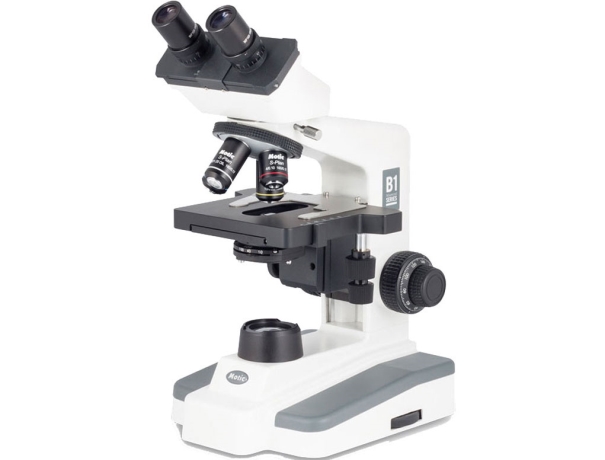
Smart Laboratory Equipment
What Makes Equipment “Smart”?
“Smart” lab equipment isn’t just digital — it thinks. These instruments use built-in AI to adapt, learn, and improve performance over time. Think self-calibrating balances, automated analyzers that adjust protocols based on sample conditions, or microscopes that select optimal magnification autonomously.
Examples of AI-Integrated Laboratory Tools
- AI-powered microscopes that detect cancer cells
- Smart pipetting systems with adaptive volume correction
- Spectrophotometers with machine-learning algorithms to interpret spectra
AI-Driven Data Analysis
How AI Accelerates Data Interpretation
In genomics or drug discovery, the datasets are massive. AI digests terabytes of info in minutes — identifying genes, predicting protein interactions, or flagging anomalies. It’s like having 100 PhDs analyzing results simultaneously.
Case Studies
- Genomics: AI decodes DNA sequences to predict disease risk.
- Pharmaceuticals: AI accelerates drug compound screening.
- Materials Science: Algorithms predict the best combinations of materials for a specific application.
Predictive Maintenance in Lab Instruments
Downtime in labs is expensive. That’s where predictive maintenance steps in.
Monitoring Wear and Tear with AI
Sensors and AI models monitor vibrations, temperature, and other indicators. The equipment tells you, “Hey, I’ll need a service in 10 days,” long before it crashes mid-experiment.
Reducing Downtime and Repair Costs
By catching issues early, AI reduces unexpected breakdowns and extends equipment lifespan, saving labs thousands annually.
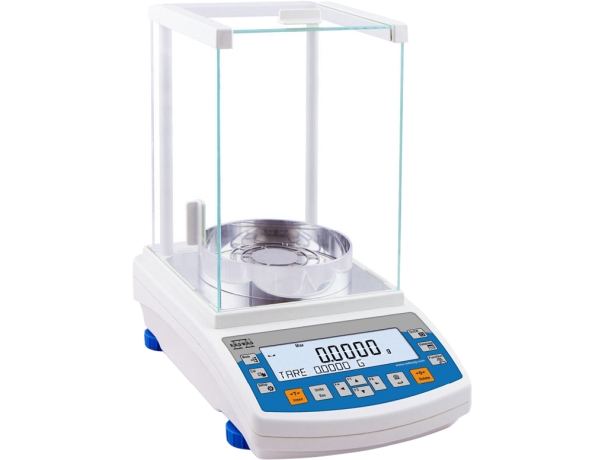
Robotics and Automated Workflow
Robotic Arms in Clinical and Chemical Labs
From sample sorting to ELISA processing, robotic arms can operate 24/7 with consistent precision — no coffee breaks, no fatigue.
Benefits for Repetitive or Dangerous Tasks
Handling biohazards? Working in cleanrooms? Let robots take the risk. Humans focus on oversight and interpretation instead.
Cloud Integration and AI
Managing Laboratory Data in the Cloud
Data from smart lab devices uploads directly to the cloud, where AI can run simulations, analyses, and diagnostics in real-time.
Real-Time Collaboration and Remote Access
A scientist in Tokyo and a technician in London can view and edit the same experiment in real time. It’s not just remote work — it’s remote science.
Enhanced Accuracy and Precision
Eliminating Human Error
Manual entries? Prone to typos. Human measurements? Prone to inconsistencies. AI systems don’t forget decimal points or skip steps.
AI-Assisted Calibration and Measurement
Tools like spectrometers and balances now come with AI-enhanced calibration systems that auto-adjust based on environmental changes like humidity or temperature.
Machine Learning for Experiment Optimization
AI in Trial and Error Processes
Instead of running 100 different experiment combinations, AI simulates thousands in silico to suggest the top 3 most promising setups.
Smarter Experimental Designs
AI uses past experiment data to recommend reagent concentrations, incubation times, and workflows, speeding up discovery.
Challenges in AI-Powered Laboratories
Data Privacy and Cybersecurity
Sensitive biomedical data stored in the cloud is a goldmine for hackers. AI systems need rigorous encryption and data governance protocols.
Cost and Training Barriers
AI-integrated equipment isn’t cheap. Plus, lab staff need training to operate and interpret AI-driven outputs — a hurdle for smaller institutions.
Resistance to Change
Some scientists prefer manual control and are wary of relying on "black-box" algorithms. Change management is key.
The Human Element: Still Irreplaceable
Where Human Expertise Outshines AI
AI can crunch numbers, but it can’t generate hypotheses or understand ethical implications. Human intuition, creativity, and critical thinking remain irreplaceable.
AI as an Assistant, Not a Replacement
Think of AI as your overachieving lab partner — super fast, super smart, but still needs your guidance.
Future Trends in AI Lab Tech
AI-Powered Diagnostic Equipment
From handheld blood analyzers to AI imaging systems that detect disease before symptoms arise — diagnostics are becoming sharper and faster.
Digital Twins in Lab Simulations
Digital replicas of experiments allow researchers to test variables virtually before touching a single sample in real life.
Augmented Reality (AR) in Training
Imagine wearing AR goggles that guide you step-by-step through complex protocols or show real-time data overlays on equipment.
How to Prepare Your Lab for AI Integration
Infrastructure Considerations
Stable internet, powerful computing hardware, and secure cloud platforms are essentials for AI deployment.
Training Your Team
Invest in short courses or certifications on AI and data science for your lab staff to ensure smooth adoption.
Budgeting and ROI
AI equipment is an investment. But when used right, the returns in speed, efficiency, and accuracy are massive.