A laboratory incubator is a device used to incubate samples at a controlled temperature and humidity. Incubators are commonly used in schools to incubate microorganisms or cells as part of a biology or microbiology experiment.
MUNRO provide Laboratory equipment for school and Laboratory incubator in particular
Laboratory incubators typically have a temperature control system to maintain a consistent temperature and a humidification system to control the humidity within the incubator chamber. Some also have the ability to control the amount of carbon dioxide (CO2) in the incubator chamber, which is important for certain types of cells or microorganisms.
Incubators can be used for a variety of purposes in a school setting, including growing and maintaining cultures of microorganisms, incubating cells for study, and conducting experiments that require a controlled environment.
There are many different types available on the market, ranging from small, benchtop incubators to large, floor-standing incubators. The type of incubator that is best for a school will depend on the specific needs and requirements of the experiments being conducted. It is important to choose that is appropriately sized and has the necessary features and capabilities to meet the needs of the experiments being conducted.
What to consider before buying a Laboratory incubator for school?
There are several factors to consider before buying a laboratory incubator for a school:
Size and capacity: Consider the size and capacity. Will it be used to incubate small samples or larger quantities of samples? Make sure to choose one that is appropriately sized for the experiments being conducted.
Temperature range: Consider the temperature range that the incubator needs to be able to maintain. Some have a wider temperature range than others, so be sure to choose one that can maintain the temperature required for the experiments being conducted.
Humidity control: Consider the humidity control capabilities . Some have a humidification system to control the humidity within the incubator chamber, while others do not. Choose one that has the necessary humidity control capabilities for the experiments being conducted.
CO2 control: If the incubator will be used for experiments that require control of the CO2 levels, choose one that has the capability to control CO2 levels.
Ease of use: Consider the ease of use of the incubator. Will it be used by students or by teachers? Choose one that is easy to use and maintain to ensure that it can be used effectively in the classroom.
Price: Consider the price . Incubators can vary in price, so be sure to choose one that fits within the budget of the school.
Brand reputation and customer support: Consider the reputation of the brand and the level of customer support they offer. Choose a reputable brand with good customer support in case the incubator requires maintenance or repair.
Why is it important to use the Laboratory incubator in school?
Using a laboratory incubator in school is important for several reasons:
Controlling the environment: Incubators allow students to control the temperature, humidity, and CO2 levels within the incubator chamber, which is important for certain types of experiments or for growing and maintaining cultures of microorganisms or cells.
Hands-on learning: they provide students with the opportunity to conduct hands-on experiments and observe the growth and development of microorganisms or cells in a controlled environment. This can help students understand scientific concepts and processes in a more engaging and interactive way.
Experimentation: they allow students to conduct a wide range of experiments, such as growing and studying microorganisms, incubating cells for study, and conducting experiments that require a controlled environment.
Developing skills: Using a laboratory incubator in school can help students develop important skills, such as problem-solving, critical thinking, and data analysis, which are valuable in both academic and professional settings.
Career preparation: it can also help prepare students for careers in science and related fields by providing them with practical experience working with scientific equipment and conducting experiments.
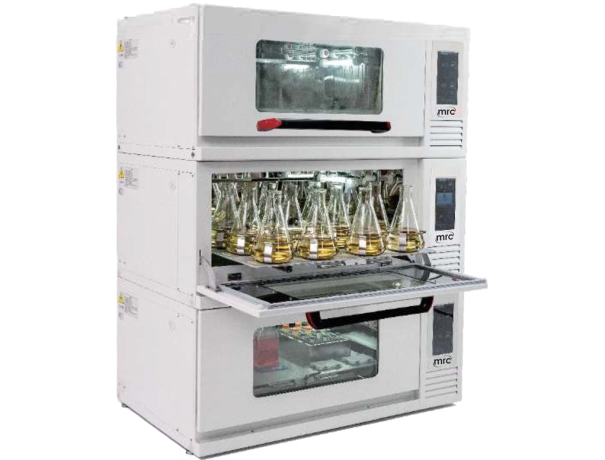
laboratory incubator shaker
A laboratory incubator shaker is a type that has a built-in shaking mechanism to agitate the samples being incubated. This can be useful for a variety of applications, including mixing or homogenizing samples, promoting the growth of microorganisms or cells, and conducting experiments that require stirring or shaking.
There are many different types of laboratory incubator shakers available on the market, ranging from small, benchtop incubator shakers to larger, floor-standing. The type of incubator shaker that is best for a particular application will depend on the specific needs and requirements of the experiment being conducted.
Incubator shakers typically have a temperature control system to maintain a consistent temperature and a shaking mechanism to agitate the samples. Some incubator shakers also have the ability to control the humidity within the incubator chamber and the amount of CO2 in the incubator chamber.
It is important to choose an incubator shaker that is appropriately sized and has the necessary features and capabilities to meet the needs of the experiments being conducted. It is also important to consider the ease of use and the reputation of the brand when choosing an incubator shaker.
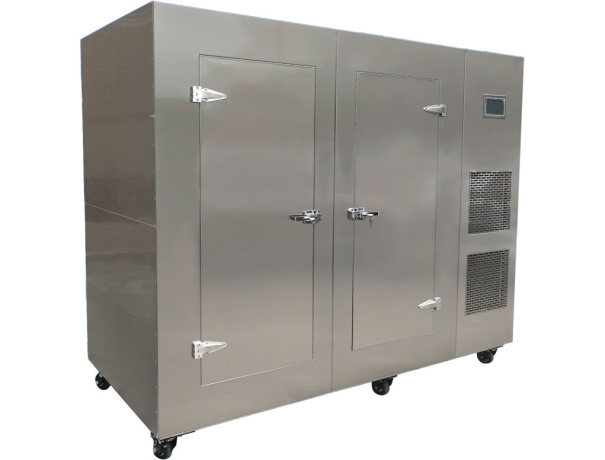
Types Laboratory Incubators for a School
For a school laboratory setting, you'll likely want a laboratory incubator that is user-friendly, reliable, and suitable for basic experiments and educational purposes. Here are some key considerations and types of laboratory incubators that would be appropriate:
- Benchtop Incubators: These are compact and can fit easily on a laboratory bench. They are suitable for schools with limited space.
- Temperature-Controlled Incubators: These maintain a constant temperature, which is crucial for many experiments involving microbial cultures, cell cultures, or biochemical reactions. Look for models with digital temperature controls and displays for accuracy.
- CO2 Incubators: If your school is involved in cell culture work, especially with mammalian cells, a CO2 incubator may be necessary. These provide a controlled environment with regulated temperature, humidity, and CO2 levels to support cell growth.
- Shaking Incubators: These provide agitation to samples, which is beneficial for cell cultures, microbial cultures, or mixing reactions. They are versatile and can accommodate various types of vessels like flasks, tubes, or microplates.
- Anaerobic Incubators: If your school is studying anaerobic organisms or processes, such as fermentation or anaerobic bacteria, an anaerobic incubator with controlled oxygen levels would be essential.
- UV Incubators: UV incubators provide a controlled environment with UV light for experiments requiring sterilization or for studies involving UV-induced reactions.
Laboratory incubator In UK
In the UK, laboratory incubators are commonly used in a variety of settings, including schools, research laboratories, and industrial settings. There are many different types available on the market in the UK, ranging from small, benchtop incubators to large, floor-standing incubators.
When purchasing a laboratory incubator in the UK, it is important to consider the size and capacity, the temperature range and humidity control capabilities, and the ease of use. It is also important to consider the reputation of the brand and the level of customer support they offer.