Laboratory instruments are essential for educational institutions, particularly for universities and colleges. These instruments help students conduct scientific research, experiments, and analysis that cannot be performed without proper equipment.
The Importance of Laboratory Instruments in Universities/Colleges
- Enhances Learning Experience
- Fosters Critical Thinking and Problem-Solving Skills
- Prepares Students for Future Careers
- Provides Hands-On Training and Practical Experience
- Boosts Research Opportunities
Types of Laboratory Instruments
Basic Instruments
Basic laboratory instruments are commonly found in most science labs and are used in a wide range of experiments. These instruments are relatively inexpensive and straightforward to use, making them an excellent choice for teaching basic scientific principles. Some of the common basic laboratory instruments include:
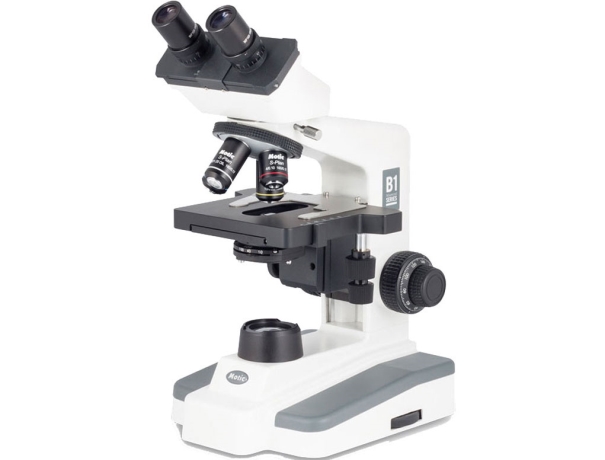
- Microscopes: Microscopes are used to magnify small objects or specimens, allowing students to study cells, bacteria, and other microscopic structures.
- Bunsen Burners: Bunsen burners are used to heat substances in the lab, such as solutions or solids, to allow for chemical reactions and experiments.
- Glassware: Glassware such as beakers, test tubes, and flasks are used to hold and measure liquids and solutions during experiments.
- Thermometers: Thermometers are used to measure temperature, which is essential for many scientific experiments.
- Scales and Balances: Scales and balances are used to measure the mass of substances accurately.
Advanced Instruments
Advanced laboratory equipment is used for more complex experiments and analyses that require more precise measurements and specialized techniques. These instruments are often more expensive and require specialized training to operate. Some of the common advanced laboratory instruments include:
- Spectrophotometers: Spectrophotometers are used to measure the intensity of light passing through a sample, allowing scientists to determine the concentration of a substance in a solution.
- Chromatography Equipment: Chromatography equipment separates complex mixtures into their individual components, making it a powerful tool for analyzing complex biological or chemical samples.
- Atomic Absorption Spectroscopy: Atomic absorption spectroscopy is a technique used to identify and quantify trace metals in a sample.
- Mass Spectrometry: Mass spectrometry is used to identify the composition and structure of molecules in a sample, making it a powerful tool for analyzing complex biological or chemical samples.
- HPLC and GC Instruments: High-performance liquid chromatography (HPLC) and gas chromatography (GC) instruments are used to separate and analyze complex mixtures of substances.
Specialized Instruments
Specialized laboratory instruments are used for specific research applications, and they are often the most expensive and complex instruments in the lab. These instruments require specialized training to operate and maintain. Some of the common specialized laboratory instruments include:
- DNA Sequencers: DNA sequencers are used to determine the order of nucleotides in a DNA sample, making it a powerful tool for genetic research.
- Fluorescence Microscopes: Fluorescence microscopes use fluorescent dyes to make specific structures in a sample visible, making it an essential tool for cellular biology research.
- X-Ray Diffraction Instruments: X-ray diffraction instruments are used to determine the structure of complex molecules, making it a powerful tool for material science and chemistry research.
- NMR Spectrometers: Nuclear magnetic resonance (NMR) spectrometers are used to identify the composition and structure of molecules in a sample, making it a powerful tool for analyzing complex biological or chemical samples.
- Electron Microscopes: Electron microscopes use a beam of electrons to magnify small objects, making it an essential tool for studying the structure of cells, bacteria, and other microscopic structures.
Factors to Consider When Choosing Laboratory Instruments
- Budget
- Space
- Research Needs
- Brand Reputation
- Maintenance and Service
Maintenance and Service of Laboratory Instruments
- Regular Cleaning
- Calibration and Adjustment
- Regular Maintenance
- Repair and Replacement
Common Challenges in Maintaining Laboratory Instruments
- High Cost of Maintenance
- Inadequate Training
- Insufficient Time
- Limited Resources
- Technological Advancements
Buy Laboratory Instruments for Universities/Colleges
MUNRO provides a wide range of high quality Laboratory Instruments for Universities/Colleges