Purchasing laboratory equipment is a significant investment that can directly affect the accuracy of results, staff productivity, operational safety and the long-term performance of a laboratory.
Whether you are establishing a new laboratory, expanding an existing facility or replacing ageing instruments, selecting suitable equipment requires more than comparing prices and product descriptions.
Laboratory managers, researchers, engineers and purchasing teams must consider the technical application, required performance, installation conditions, regulatory requirements and the level of support available after purchase.
This guide explains the key factors to consider when buying laboratory equipment in the UK.
Define the Intended Application
The purchasing process should begin with a clear definition of what the equipment must achieve.
Before requesting quotations, identify:
- The samples or materials that will be processed
- The tests, measurements or procedures that will be performed
- The required processing capacity
- The number of users
- The expected frequency of operation
- The required accuracy and repeatability
- The environmental conditions in the laboratory
- Any relevant quality or regulatory requirements
For example, laboratories purchasing a centrifuge must consider the required speed, relative centrifugal force, rotor capacity, tube sizes and whether refrigeration is required.
A detailed application specification helps suppliers recommend suitable equipment and reduces the risk of purchasing an unsuitable or unnecessarily expensive system.
Main Categories of Laboratory Equipment
Laboratory equipment can be divided into several broad categories according to its function.
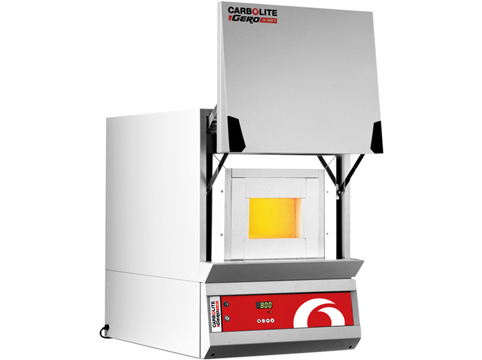
Heating and Temperature Control Equipment
Heating and temperature-control equipment is used across research, quality control, manufacturing and education.
Common products include:
- Laboratory ovens
- Furnaces
- Hotplates
- Heating mantles
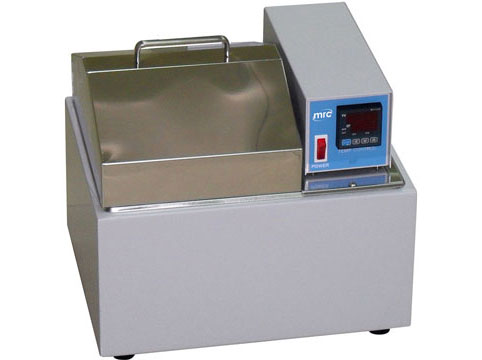
- Water baths
- Oil baths
- Dry block heaters
- Temperature-controlled circulators
When selecting heating equipment, consider the required temperature range, temperature uniformity, chamber capacity, recovery time and control accuracy.
Cooling and Storage Equipment
Laboratory samples, reagents and materials may require controlled cooling or low-temperature storage.
Typical equipment includes:
- Laboratory refrigerators
- Laboratory freezers
- Ultra-low temperature freezers
- Chillers
- Ice-making machines
- Cryogenic storage containers
Important considerations include temperature range, storage volume, alarm systems, temperature monitoring and recovery following a door opening or power interruption.
Sample Preparation Equipment
Effective sample preparation is essential for producing reliable and repeatable results.
Common equipment includes:
- Laboratory mills
- Homogenisers
- Blenders
- Shakers
- Mixers
- Vortex mixers
- Centrifuges
- Ultrasonic cleaners
- Freeze dryers
- Spray dryers
The correct equipment depends on the sample type, required particle size, batch volume and desired level of repeatability.
Sterilisation and Controlled-Environment Equipment
Laboratories handling microorganisms, sterile materials or sensitive samples may require equipment that supports contamination control.
Relevant products include:
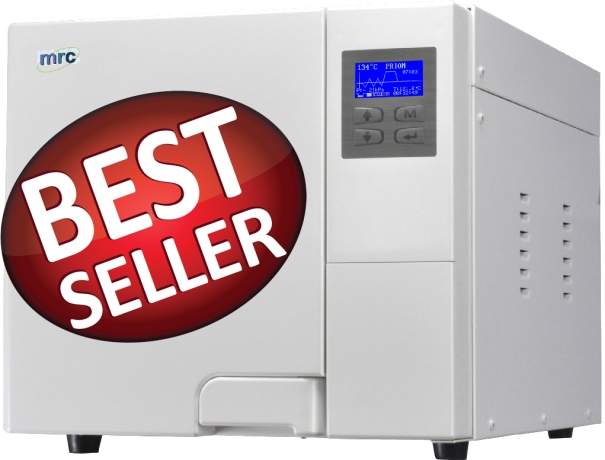
- Autoclaves
- Sterilisers
- Biological safety cabinets
- Clean benches
- Glove boxes
- Anaerobic chambers
- Environmental chambers
- Incubators
- CO2 incubators
The required system will depend on whether the objective is sterilisation, sample protection, personnel protection or the creation of a controlled atmosphere.
Measuring and Analytical Instruments
Measuring instruments are used to collect quantitative data in laboratories, industrial facilities and field applications.
Examples include:
- Laboratory balances
- Spectrophotometers
- pH meters
- Conductivity meters
- Temperature and humidity meters
- Gas analysers
- Data loggers
- Force gauges
- Pressure meters
- Air-quality instruments
When choosing a measuring instrument, review its measurement range, resolution, accuracy, repeatability, calibration requirements and compatibility with any required software or data systems.
Material Testing Equipment
Material testing equipment is used to assess the physical, mechanical, optical and surface properties of products and materials.
Examples may include:
- Tensile testing machines
- Hardness testers
- Gloss meters
- Colour meters
- Surface analysers
- Friction and slip testing equipment
- Environmental test chambers
- Vibration testing systems
The equipment should be selected according to the relevant test method, sample dimensions, expected loads and reporting requirements.
Create a Detailed Technical Specification
A detailed technical specification enables suppliers to provide accurate quotations and suitable recommendations.
The specification should include:
- Required operating range
- Accuracy and repeatability
- Capacity or sample volume
- Required accessories
- Electrical requirements
- Available working space
- Software and data-export requirements
- Safety features
- Documentation requirements
- Installation and training needs
- Required delivery date
Avoid selecting equipment solely because it offers the highest available specification.
Equipment should meet the laboratory's actual requirements while allowing reasonable capacity for future growth.
Check UK Product and Compliance Requirements
The regulatory requirements that apply to laboratory equipment depend on the product type, its intended use and the market where it will be supplied.
For many product categories placed on the market in Great Britain, manufacturers may use applicable UKCA or recognised CE marking routes. Different rules apply in Northern Ireland.
Purchasers should confirm that the supplier can provide the relevant declarations, technical documentation, operating instructions and safety information for the specific product.
Do not assume that every laboratory product requires the same marking or certification. The applicable requirements should be checked according to the individual product and its intended application.
Consider Calibration and Measurement Traceability
Laboratories purchasing measuring instruments should establish how equipment accuracy will be maintained throughout its working life.
Before purchase, ask:
- Is the equipment supplied with a calibration certificate?
- Is the calibration traceable to recognised measurement standards?
- What is the recommended calibration interval?
- Can the instrument be calibrated in the UK?
- Is adjustment included during calibration?
- What are the expected calibration costs?
- Is accredited calibration required for the application?
Where measurement results are used for regulated processes, quality systems or critical decisions, the calibration requirements should be defined before purchasing the instrument.
Evaluate Installation Requirements
Some laboratory equipment can be placed directly on a workbench, while other systems require specialist installation or site preparation.
Check the following before placing an order:
- Equipment dimensions and weight
- Doorways and delivery access
- Bench or floor load capacity
- Required electrical supply
- Ventilation and extraction
- Water supply and drainage
- Gas or compressed-air connections
- Heat output
- Clearance around the equipment
- Environmental operating conditions
Failure to assess these requirements may result in installation delays or additional costs.
Compare the Total Cost of Ownership
The lowest purchase price does not always provide the best long-term value.
When comparing equipment, calculate the expected total cost of ownership, including:
- Purchase price
- Delivery
- Installation
- Training
- Accessories
- Consumables
- Calibration
- Preventive maintenance
- Repairs
- Replacement parts
- Software licences
- Energy consumption
- Expected operating life
A more reliable system with strong technical support may cost more initially but provide better value through reduced downtime and lower maintenance costs.
Assess the Laboratory Equipment Supplier
The selected supplier should be able to provide more than a product catalogue.
A professional laboratory equipment supplier should understand the intended application and help identify the most suitable system.
Before selecting a supplier, consider:
- Technical product knowledge
- Range of available equipment
- Ability to recommend suitable configurations
- Availability of product documentation
- Installation and training services
- Warranty conditions
- Technical support
- Repair capabilities
- Spare-part availability
- Response times
- Experience supplying similar laboratories
For complex or high-value systems, request a technical consultation or demonstration before making the final decision.
Review Warranty and After-Sales Support
Laboratory equipment may remain in operation for many years, making after-sales support an important purchasing consideration.
Before ordering, confirm:
- Warranty duration
- Components covered by the warranty
- Whether labour and travel are included
- How repairs are arranged
- Availability of replacement equipment
- Expected repair times
- Availability of spare parts
- Support after the warranty expires
A reliable supplier should clearly explain how equipment will be supported throughout its expected working life.
Common Mistakes When Buying Laboratory Equipment
Common purchasing mistakes include:
- Selecting equipment based only on price
- Purchasing equipment without clearly defining the application
- Choosing unnecessary features
- Ignoring calibration requirements
- Failing to check installation conditions
- Overlooking software compatibility
- Purchasing without reviewing warranty conditions
- Failing to consider future servicing and spare parts
- Buying from a supplier without suitable technical support
A structured purchasing process reduces these risks and helps ensure that the equipment meets the laboratory's operational requirements.
Questions to Ask Before Purchasing
Before approving a laboratory equipment order, ask the supplier:
- Is this model suitable for our specific application?
- Does it meet the required operating range and accuracy?
- Which accessories are included?
- What additional accessories will be required?
- What are the installation requirements?
- Is training available?
- What calibration and maintenance are recommended?
- What documentation is supplied?
- What is covered by the warranty?
- How will repairs and technical support be handled?
Laboratory Equipment and Measuring Instruments from MUNRO Scientific
MUNRO Scientific supplies laboratory equipment, measuring instruments and material testing systems for research, industrial, educational and quality-control applications in the UK.
The available product range includes equipment for heating, cooling, mixing, sample preparation, sterilisation, environmental control, measurement and material testing.
Contact MUNRO Scientific to discuss your application and identify suitable equipment for your laboratory.
Frequently Asked Questions
What should be considered when buying laboratory equipment?
Consider the intended application, required accuracy, capacity, installation requirements, calibration needs, safety features, warranty, maintenance and long-term technical support.
How do I choose a laboratory equipment supplier in the UK?
Choose a supplier with relevant technical knowledge, a suitable product range, clear documentation, reliable after-sales support and the ability to assist with installation, training, calibration and repairs.
Does all laboratory equipment require UKCA or CE marking?
No. The applicable requirements depend on the type of product, its intended use and the market where it will be supplied. Purchasers should confirm the relevant requirements for each individual product.
Why is calibration important for laboratory instruments?
Calibration helps confirm that an instrument continues to provide measurements within the required accuracy and tolerance. The required calibration interval depends on the instrument, its use and the laboratory's quality procedures.
Is the cheapest laboratory equipment always the best option?
No. The total cost of ownership should also include installation, calibration, maintenance, consumables, repairs, software, energy use and expected operating life.