Water is a vital resource for plants, and understanding how it moves through different parts of the plant-soil continuum is essential for optimizing growth and productivity. Two critical concepts in this process are leaf water potential and soil water potential. While they are related, they represent distinct aspects of water movement in plant physiology and soil science. Let’s explore their differences and why they matter.
What is Water Potential?
Water potential is a measure of the potential energy of water in a system compared to pure water at standard conditions. It determines the direction in which water will flow—always from areas of higher potential to lower potential. Measured in megapascals (MPa), water potential encompasses several components:
- Osmotic potential (solute concentration)
- Pressure potential (physical pressure exerted on water)
- Gravitational potential (effect of gravity on water)
- Matric potential (adhesion of water to surfaces)
Leaf Water Potential
Leaf water potential represents the water status within the leaf and reflects the balance between water uptake by the roots and water loss through transpiration. It is influenced by:
1. Transpiration Rate: Higher transpiration rates lower leaf water potential as water exits through stomata.
2. Plant Hydration: When a plant is well-hydrated, its leaf water potential is higher.
3. Environmental Conditions: Factors like temperature, humidity, and wind affect leaf water potential by altering transpiration.
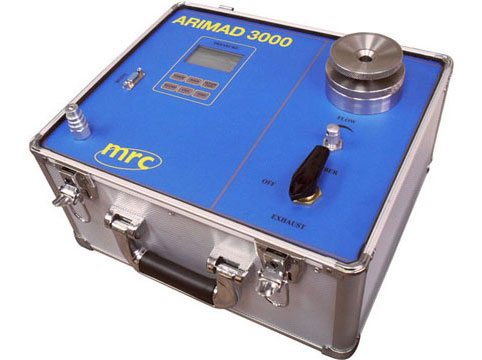
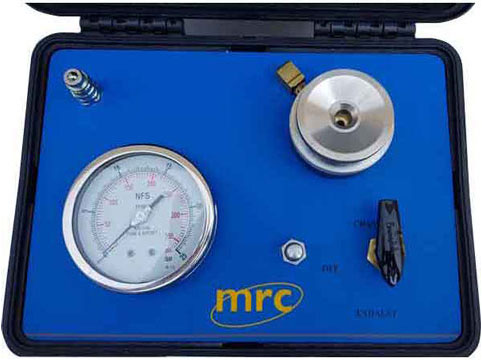
Typically, leaf water potential is lower than soil water potential because plants generate a water potential gradient to draw water upward from the soil. Measuring Ψ_leaf can provide insights into a plant’s water stress level and overall health. This is often done using a pressure chamber (or pressure bomb).
Soil Water Potential
Soil water potential describes the availability of water within the soil matrix. It reflects how tightly water is held by soil particles and is influenced by:
1. Soil Texture: Sandy soils have lower matric potential compared to clay soils due to differences in particle size and surface area.
2. Soil Moisture Content: As soil dries, matric potential becomes more negative, indicating that water is less available to plants.
3. Salinity: High solute concentrations in the soil solution lower osmotic potential, making it harder for plants to extract water.
Soil water potential is typically measured using tensiometers, gypsum blocks, or other soil moisture sensors.
The Key Differences
1. Location: Leaf water potential occurs within the plant’s leaves, while soil water potential exists in the soil surrounding the roots.
2. Role in the Water Cycle: Leaf water potential drives the upward movement of water through the plant, supporting physiological processes like photosynthesis and nutrient transport. Soil water potential, on the other hand, determines the availability of water to the roots.
3. Range of Values: Leaf water potential is generally more negative than soil water potential because plants create a gradient to move water from the soil to the leaves. Extreme negativity in leaf water potential indicates water stress.
Why Does the Difference Matter?
The interplay between leaf and soil water potential is crucial for understanding plant-water relations:
- Irrigation Management: Knowing the soil water potential helps determine when and how much to irrigate, while leaf water potential indicates how effectively plants are using the water.
- Drought Resistance: Monitoring these parameters can reveal a plant’s ability to withstand water deficits and help in breeding drought-tolerant crops.
- Environmental Stress: By analyzing both leaf and soil water potentials, researchers and farmers can assess the impact of environmental stressors and develop strategies to mitigate their effects.