You can perform many tasks with either type of stirrer, but each has advantages and disadvantages that might make one a better choice for your application. To help you choose, we've put together this quick guide to the key differences between magnetic stirrers and overhead stirrers.
What to consider before purchasing
Sample's Volume:
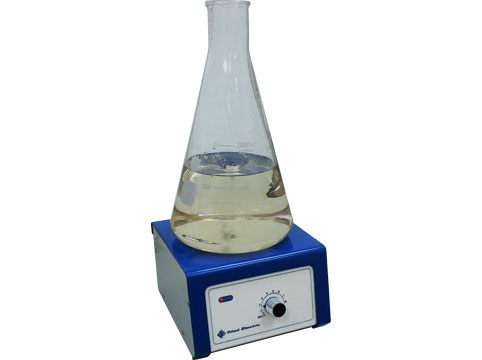
The sample size is important when deciding which type of stirrer to use. Overhead stirrers are generally better suited for larger volumes, while magnetic stirrers are more appropriate for small-scale tasks. For magnetic stirrers, the stir bar size is really important. You can use a smaller stir bar if you have a small reaction vessel. Volume and vessel size are also important considerations when selecting an appropriate power setting.
The Viscosity:
The viscosity of your sample will also play a role in deciding which type of stirrer is right for the job. Magnetic stirrers are more appropriate for low to medium-viscosity samples, while overhead stirrers can handle a wider range of viscosities. An overhead stirrer with a powerful motor is necessary for very viscous samples to ensure proper mixing.
A magnetic stirrer must have a strong enough magnetic coupling to overcome the resistance of viscous materials. If the coupling is not strong enough, the material will "slip" on the stir bar and not be mixed properly. Therefore, it is important to use a magnetic stirrer with a powerful magnet for viscous samples.
Temperature Control:
Some magnetic stirrers come with heating capabilities, while others do not. If you need to heat your sample while stirring, select a stirrer with this capability. Overheating protection is also necessary if you use a magnetic stirrer for temperature-controlled applications. Many laboratory overhead stirrers also come with heating capabilities but are not as common as magnetic stirrers. Laboratory Hot plates are other common methods of heating samples during stirring.
The structure of the tool:
If you can't use an overhead stirrer due to the shape or size of your vessel, then you might need a magnetic stirrer. While limited in shape, collapsible impellers can fit into narrow-mouthed vessels. A magnetic stir bar has no shaft, making it ideal for narrower-necked vessels. The shape of your reaction vessel is another important consideration. For example, magnetic stirrers are not effective for mixing round-bottom flasks. In this case, an overhead stirrer would be a better choice. On the other hand, some magnetic stirrers are designed specifically for use with round-bottom flasks.
Consider The kind of Mixing:
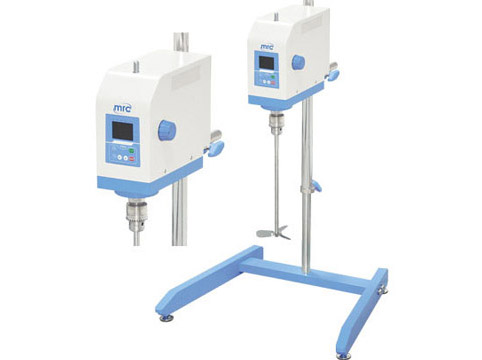
With so many stirrer sizes and shapes on the market, choosing the right one for your needs can be difficult. The same goes for impellers used with overhead stirrers. The type of mixing you need will play a role in deciding which stirrer to use. For example, if you need to achieve a very high degree of mixing, an overhead stirrer with a pitched-blade impeller is necessary. If moderate mixing is sufficient, then a magnetic stirrer with a Teflon-coated stir bar might be all you need.
Generally, overhead stirrers are better because you have more options for different impellers. Although magnetic stirrers aren't as versatile, there is still a decent range of stirring capacities.
So, these are some key considerations you need to consider when deciding which type of stirrer is right for you. Depending on your specific application, one type of stirrer might be better. Be sure to carefully consider all of the factors before making your decision.