If you are an agronomist, you know that measuring instruments and laboratory equipment are crucial tools in your work. These instruments and equipment help agronomists to determine the quality of soil, water, and other agricultural inputs, as well as to monitor the growth and health of crops. In this article, we will take a closer look at some of the most important measuring instruments and laboratory equipment used by agronomists.
Soil testing equipment
One of the most important aspects of agronomy is soil testing. Soil testing equipment helps agronomists to determine the pH level, nutrient content, and physical properties of soil. Some common soil testing equipment includes:
Soil pH meter
A soil pH meter measures the acidity or alkalinity of soil. The pH level of soil is important because it affects the availability of nutrients to plants.
Soil moisture meter
A soil moisture meter measures the amount of moisture in soil. This is important because both too much and too little moisture can be harmful to plants.
Soil sampler
A soil sampler is used to collect samples of soil for testing. This is important because the quality of soil can vary greatly from one location to another.
Water testing equipment
Water is another important input in agriculture. Water testing equipment helps agronomists to determine the quality of water used for irrigation and other agricultural purposes. Some common water testing equipment includes:
A pH meter can also be used to measure the pH level of water.
Conductivity meter
A conductivity meter measures the ability of water to conduct electricity. This is important because it can indicate the level of dissolved salts in water.
Turbidity meter
A turbidity meter measures the amount of suspended particles in water. This is important because high levels of turbidity can indicate pollution or other contaminants in water.
Plant monitoring equipment
Agronomists also use equipment to monitor the growth and health of plants. This equipment can help agronomists to detect and respond to problems early on, before they become more serious. Some common plant monitoring equipment includes:
Leaf area meter
A leaf area meter measures the size of plant leaves. This is important because it can indicate the overall health and growth of the plant.
Light meter
A light meter measures the amount of light that reaches a plant. This is important because plants need a certain amount of light to grow and thrive.
Laboratory equipment
In addition to measuring instruments, agronomists also use laboratory equipment to analyze soil, water, and plant samples. Some common laboratory equipment includes:
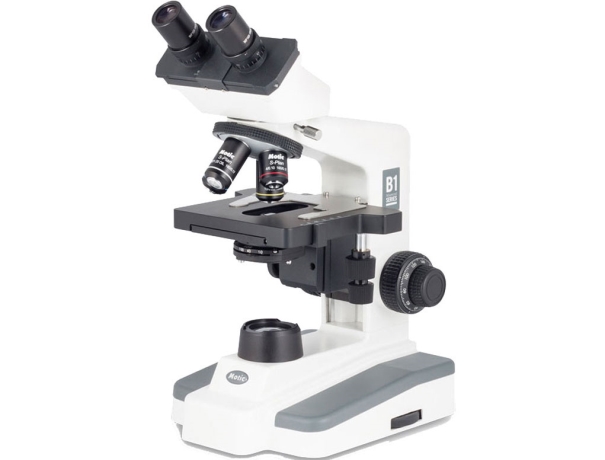
A microscope is used to examine plant tissues, soil particles, and other small samples. This is important because it can help agronomists to identify pests, diseases, and other problems.
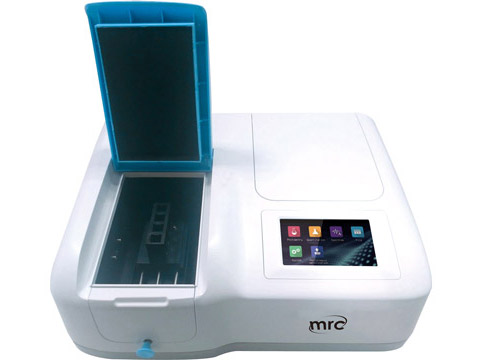
A spectrophotometer is used to measure the amount of light that is absorbed by a sample. This is important because it can help agronomists to determine the nutrient content of soil, water, and plant samples.
Incubator
An incubator is used to control the temperature and humidity of samples. This is important because some tests require specific environmental conditions in order to produce accurate results.
The importance of equipment quality For Agriculture
Equipment quality is of utmost importance, especially in industries where precision and accuracy are crucial factors. In the case of measuring instruments and laboratory equipment for agronomists, equipment quality can greatly affect the accuracy and reliability of test results.
high-quality equipment can ensure precise and consistent readings, which can lead to better decision making and improved outcomes. When selecting equipment, agronomists should prioritize quality and reliability over cost, as investing in high-quality equipment can ultimately lead to cost savings in the long run.
Regular maintenance and calibration of equipment are also important to ensure optimal performance and accuracy. Agronomists should follow manufacturer recommendations and schedule regular maintenance and calibration to ensure their equipment is functioning at its best.
water potential
Water potential is a measure of the potential energy of water molecules in a system, and it is a critical concept in understanding plant water relations. Water moves from areas of high water potential to areas of low water potential, and this movement of water is essential for plant growth and survival.
The water potential of a system is affected by various factors, including pressure, solute concentration, and gravity. The total water potential of a plant cell or tissue is the sum of the pressure potential, solute potential, and matric potential. The pressure potential is the pressure exerted on the cell wall by the cell contents, while the solute potential is the concentration of solutes in the water, and the matric potential is the attraction of water molecules to solid surfaces.
Water potential is an important concept in understanding how water moves in plants and how plants respond to changes in their environment. For example, when soil dries out, the water potential of the soil decreases, and water moves out of the plant roots and into the soil, causing the plant to wilt. Conversely, when there is excess water in the soil, the water potential of the soil is high, and water moves into the plant roots, leading to turgor pressure and cell expansion.
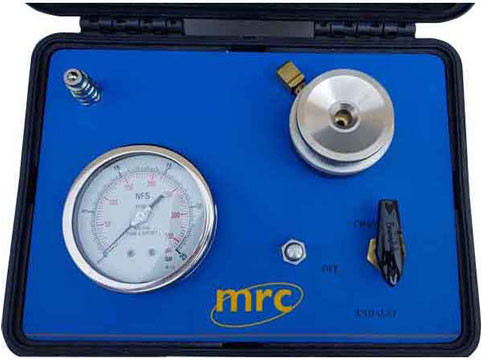
Measuring water potential can be challenging, as it requires specialized equipment and techniques. However, understanding the concept of water potential is critical for agronomists and other plant scientists in managing water resources and improving crop productivity.