Microbiology laboratory apparatus refers to the equipment and tools used for studying microorganisms, including bacteria, viruses, fungi, and parasites. These apparatus facilitate the isolation, cultivation, identification, and analysis of microorganisms in a controlled laboratory environment. They enable researchers to observe, measure, and manipulate microorganisms for scientific purposes.
Microbiology laboratory apparatus is of utmost importance in advancing our understanding of microorganisms and their interactions with the environment and living organisms. It allows researchers to:
- Identify and classify microorganisms: Laboratory apparatus aids in the identification and classification of microorganisms based on their morphological, biochemical, and genetic characteristics.
- Study disease-causing microorganisms: Apparatus helps researchers investigate the pathogenicity and virulence factors of microorganisms responsible for infectious diseases.
- Develop new drugs and therapies: Microbiology apparatus assists in the development of new antibiotics, antiviral drugs, and therapeutic strategies to combat microbial infections.
- Analyze environmental samples: By using laboratory apparatus, scientists can study microorganisms in various environmental samples, such as soil, water, air, and food, to assess their impact on ecosystems and human health.
- Conduct research on microbiomes: Apparatus enables researchers to explore the complex microbial communities present in different habitats,
Types of Microbiology Laboratory
- Microscopes- Microscopes are Products for Microbiology Laboratories, allowing scientists to observe microorganisms at a cellular level. They come in different types, such as light microscopes, electron microscopes, and fluorescence microscopes, each offering different levels of magnification and resolution.
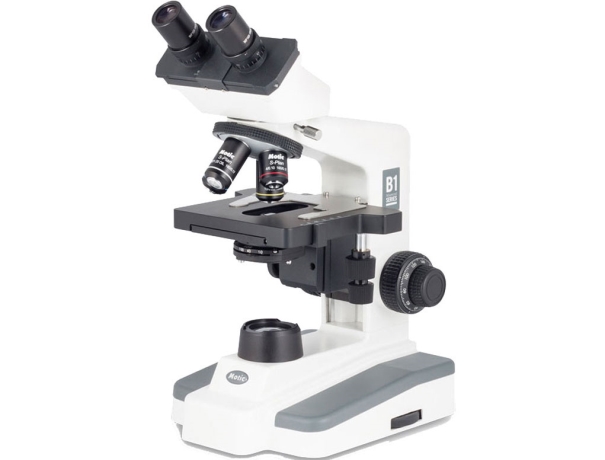
- Laboratory Incubators- Incubators provide a controlled environment for the growth and cultivation of microorganisms. They maintain optimal temperature, humidity, and sometimes even atmospheric conditions to support the growth of specific microorganisms.
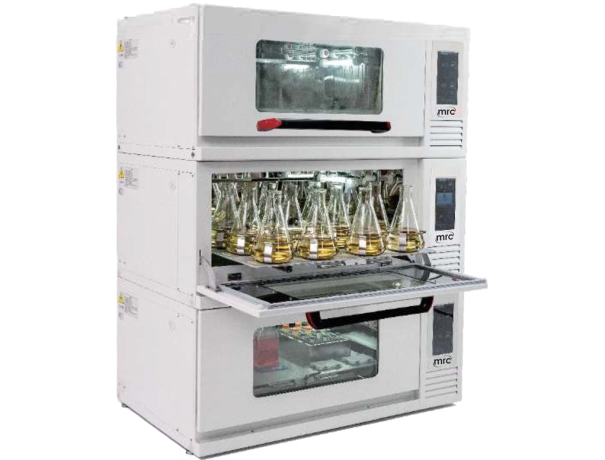
- Autoclaves- Autoclaves are used for sterilizing laboratory equipment and materials. They use high-pressure steam to kill microorganisms and ensure a sterile environment for experiments.
- Centrifuges- Centrifuges are used to separate substances based on their density and molecular weight. In a microbiology laboratory, they are used for the separation of cells, cellular components, and microorganisms from different samples.
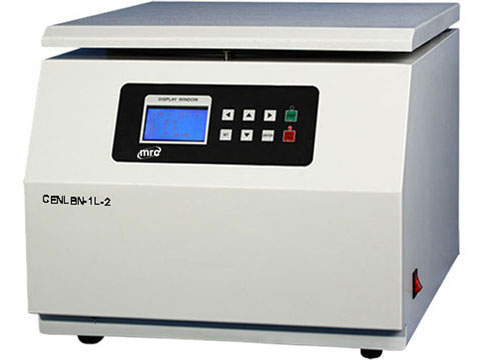
- Pipettes- Pipettes are precision instruments used for accurate measurement and transfer of liquids in microbiology experiments. They come in various types, including micropipettes and serological pipettes, to handle different volumes of liquids.
- Petri Dishes- Petri dishes, also known as culture plates, are shallow, cylindrical, lidded dishes made of glass or plastic. They are used to culture and grow microorganisms on solid or semi-solid media.
- Bunsen Burner -A Bunsen burner is a gas burner used for sterilizing inoculating loops, needles, and other laboratory equipment by heating them to high temperatures. It provides a controlled flame for aseptic techniques.
- pH Meter- pH meters are used to measure the acidity or alkalinity of solutions. In microbiology laboratories, pH meters are crucial for adjusting the pH of growth media to support the growth of specific microorganisms.
- PCR Machines- Polymerase Chain Reaction (PCR) machines are used to amplify and replicate specific DNA sequences. They play a vital role in various applications, such as DNA sequencing, genetic testing, and identification of microorganisms.
- Flow Cytometers- Flow cytometers are advanced instruments that can analyze and sort individual cells or particles in a liquid suspension. They use laser beams to measure characteristics like size, shape, and fluorescence, enabling researchers to study microbial populations in detail.
- DNA Sequencers- DNA sequencers are used to determine the order of nucleotides in a DNA molecule. They have revolutionized microbiology research by allowing scientists to decode the entire genome of microorganisms, providing insights into their genetic makeup and functions.
- Biosafety Cabinets- Biosafety cabinets provide a safe and sterile working environment for handling infectious microorganisms. They prevent the spread of contaminants and protect the researcher and the surrounding environment from potential biohazards.
- Laminar Flow Hoods- Laminar flow hoods create a sterile workspace by directing filtered air in a laminar flow over the work surface. They are used for handling sensitive materials and performing procedures that require a high level of cleanliness.
- Spectrophotometers- Spectrophotometers measure the intensity of light absorbed or transmitted by a substance. In microbiology, they are used to quantify the growth of microorganisms in liquid cultures, determine their metabolic activities, and analyze biochemical reactions.
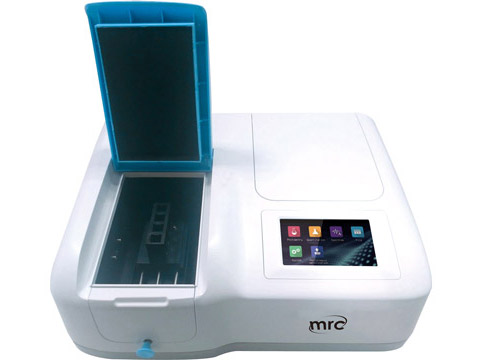
- Refrigerated Centrifuges- Refrigerated centrifuges operate at low temperatures and are used for separating temperature-sensitive samples or for maintaining a cold environment during centrifugation. They are crucial for preserving the integrity of certain microorganisms and biomolecules.
- Real-Time PCR Instruments- Real-time PCR instruments combine PCR amplification with real-time monitoring of the amplification process. They
Maintenance and Calibration of Microbiology Laboratory Apparatus
Proper maintenance and calibration of microbiology laboratory apparatus are essential to ensure accurate and reliable results. Regular upkeep and calibration help to prolong the lifespan of the equipment and maintain its performance. Here are some important considerations for maintaining and calibrating laboratory apparatus:
- Cleaning and Sterilization:
- Follow proper cleaning protocols for each apparatus, using appropriate disinfectants and cleaning agents.
- Sterilize equipment and glassware before and after use to eliminate any potential contamination.
- Develop a routine cleaning schedule to ensure cleanliness and prevent cross-contamination.
- Regular Maintenance Checks:
- Inspect equipment regularly for any signs of wear, damage, or malfunction.
- Replace worn-out parts, such as seals, gaskets, or filters, as needed.
- Lubricate moving parts to maintain smooth operation.
- Calibration and Quality Control:
- Calibrate equipment regularly according to manufacturer guidelines and industry standards.
- Use calibrated standards or reference materials to verify the accuracy of measurements.
- Keep records of calibration dates, results, and any adjustments made.
- Establish quality control procedures to monitor the performance of equipment and identify deviations.
- Training and User Awareness:
- Provide proper training to laboratory personnel on the correct use, handling, and maintenance of the equipment.
- Promote user awareness and responsibility for equipment care and maintenance.
- Encourage reporting of any equipment issues or malfunctions promptly.
- Documentation and Record-Keeping:
- Maintain a comprehensive record of all maintenance activities, repairs, and calibrations performed.
- Document any incidents, repairs, or deviations from normal performance.
- Keep a record of equipment manuals, service contracts, and contact information for service providers.
By following these maintenance and calibration practices, laboratories can ensure the longevity and reliability of their microbiology apparatus, minimizing the risk of inaccurate results or equipment failure.
Safety Measures in Handling Microbiology Laboratory Apparatus
Safety is of paramount importance in any laboratory setting, especially when working with microorganisms that can pose potential health risks. Here are some essential safety measures to consider when handling microbiology laboratory apparatus:
- Personal Protective Equipment (PPE):
- Always wear appropriate PPE, including lab coats, gloves, safety glasses, and respiratory protection if necessary.
- Use disposable gloves and change them regularly, especially when handling different samples or equipment.
- Proper Handling Techniques:
- Adhere to aseptic techniques to minimize the risk of contamination.
- Handle equipment and samples with care to avoid spills, splashes, or breakages.
- Use proper techniques when pipetting, transferring cultures, or operating equipment.
- Waste Disposal:
- Follow the guidelines for proper disposal of biological waste, including contaminated materials, cultures, and sharps.
- Use designated biohazard waste containers and autoclave or treat waste before disposal.
- Biosafety Levels:
- Understand and follow the appropriate biosafety level (BSL) guidelines for the microorganisms being handled.
- Adhere to containment measures specific to the biosafety level, including facility design, equipment, and operational practices.
- Emergency Preparedness:
- Familiarize yourself with emergency protocols, such as spill response, evacuation procedures, and first aid measures.
- Maintain a well-stocked first aid kit and know the location of safety equipment, such as eyewash stations and fire extinguishers.