In today's fast-paced educational landscape, equipping students with the right tools is essential for enhancing their learning experience. One of the most valuable tools in scientific education is the microscope. Microscopes open up a world of discovery, allowing students to explore the micro-universe around them. Whether in the classroom or at home, having access to a microscope helps students build critical thinking skills and fosters a passion for science. In this post, we’ll dive into everything you need to know about microscopes for students, from types and features to selecting the right model.
Types of Microscopes for Students
Light Microscopes
Light microscopes are one of the most common types used in schools. These microscopes use visible light to magnify objects, making them easy to operate for students. They offer enough magnification for observing small organisms, cells, and other materials found in biology classes.
Advantages for Students
- Simple to use and affordable.
- Suitable for viewing basic biological specimens.
- Often come with adjustable lenses for varying magnification.
Compound Microscopes
Compound microscopes take light microscopy a step further by using multiple lenses to achieve higher levels of magnification. These are perfect for studying detailed cellular structures, such as bacteria or tissue samples, and are frequently used in high school science labs.
Why Compound Microscopes Are Popular in Schools
- Provide higher magnification than simple light microscopes.
- Offer clear and detailed views of small specimens.
- Easy to find at reasonable prices for schools.
With the rise of technology in the classroom, digital microscopes have gained popularity. These microscopes allow students to view specimens on a screen, making it easier for teachers to share images with the entire class.
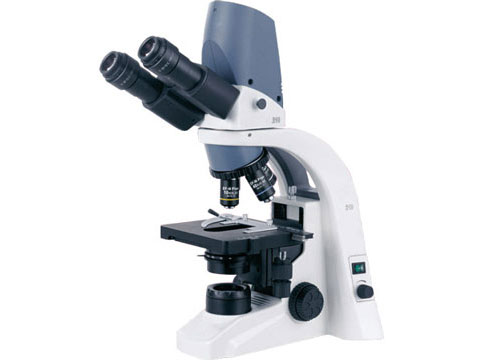
Benefits for Modern Classrooms
- Integrates with computers or tablets.
- Allows for image capture and sharing.
- Helps students understand microscopy in a digital context.
Stereo Microscopes
Unlike compound microscopes, stereo microscopes provide a three-dimensional view of the specimen. These are ideal for examining larger objects like leaves, insects, or rocks, making them a versatile option for various educational activities.
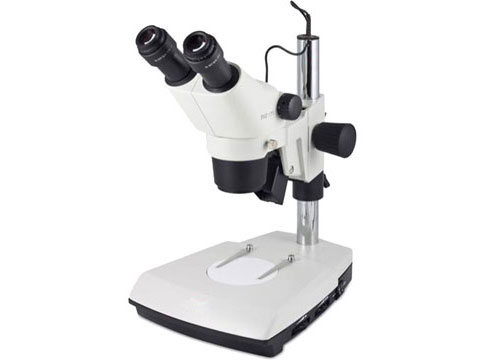
Practical Applications in Schools
- Perfect for studying solid specimens.
- Great for introductory biology and geology lessons.
- Helps students understand depth and structure.
Key Features to Look for in Student Microscopes
Magnification Levels
When buying a microscope for students, it’s essential to consider the magnification. While a magnification of 40x to 400x is adequate for most students, older or more advanced students might benefit from higher magnification.
Lens Quality
The quality of the lens is crucial for clear observation. Look for microscopes with glass optics rather than plastic lenses, as they offer better clarity and longevity.
Durability and Ease of Use
Student microscopes should be durable enough to withstand daily use in a classroom setting. Features like built-in lighting, easy focusing knobs, and sturdy construction ensure that students can use the microscope effectively without too much assistance.
How to Choose the Right Microscope for Students
Age and Educational Level
Not all microscopes are appropriate for every age group. For younger students in elementary school, a simple light microscope with lower magnification might be enough. However, older students in middle or high school may benefit from more advanced models like compound or digital microscopes.
Classroom vs. Home Use
If the microscope is for classroom use, you might want to look for models that are easy to set up and share among students. For home use, portability and storage become more important considerations.
Budget Considerations
Fortunately, there are student microscopes available for nearly every budget. Affordable options, especially in the digital microscope range, allow schools and families to provide high-quality tools without breaking the bank.
The Role of Microscopes in STEM Education
Enhancing Critical Thinking
Microscopes encourage students to observe, question, and investigate. This hands-on approach to learning fosters critical thinking and problem-solving skills that are essential in STEM fields.
Encouraging Scientific Inquiry
By observing specimens up close, students can explore the scientific process in a tangible way, which often leads to curiosity and further inquiry.
Tips for Teaching Students How to Use a Microscope
Step-by-Step Guide for First-Time Users
- Start by preparing the slide with the specimen.
- Place the slide on the microscope stage.
- Use the lowest magnification to focus, then gradually increase magnification for more detail.
Microscopes for school what difference
The difference between Microscopes for schools generally lies in their type, complexity, and intended usage. Here's a breakdown of the main differences:
1. Light Microscopes vs. Digital Microscopes
- Light Microscopes: These are the traditional microscopes found in many schools. They use visible light to magnify the specimen and are ideal for basic biology classes. They are easy to use and affordable, making them a popular choice for younger students.
- Digital Microscopes: These integrate with computers or tablets, allowing images to be projected onto a screen. This is useful in a modern classroom setting, where teachers can display what they're observing to the entire class. They also allow students to capture and share images.
2. Compound Microscopes vs. Stereo Microscopes
- Compound Microscopes: These are designed for observing small specimens like cells and bacteria at higher magnifications. They use multiple lenses to achieve detailed views, making them suitable for high school and advanced biology students.
- Stereo Microscopes: These are better for viewing larger, three-dimensional objects like insects, plants, or rocks. They don’t provide the same level of magnification as compound microscopes but are ideal for younger students studying natural science.
3. Magnification Levels
- Basic Microscopes for younger students usually offer magnification levels between 40x to 400x, which is sufficient for observing small organisms or simple cell structures.
- Advanced Microscopes, used by older students, may offer magnifications up to 1000x or more, allowing them to see more complex details of cell biology.
4. Cost and Durability
- Student Microscopes designed for schools are often more durable and affordable, as they need to withstand frequent handling by many students. Cheaper models might have plastic parts, while more expensive versions are made of metal and glass for longevity.
5. Ease of Use
- Microscopes for Younger Students: These are usually simpler in design, with fewer controls, making them easy for beginners to operate.
- Microscopes for Older Students: These may have more advanced features like fine focus knobs, higher magnification, and multiple lens adjustments, which are suitable for high school or college-level work.