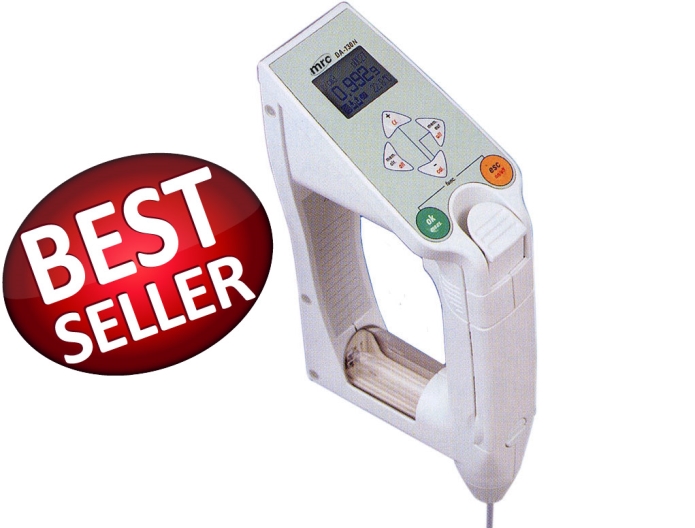
A portable density liquids gravity meter is a compact, user-friendly device used to measure the density or specific gravity of liquids. It’s a must-have tool for various fields, providing instant and accurate results without the need for bulky equipment.
From quality control in manufacturing to environmental monitoring, the applications of these meters are vast. They help ensure products meet specifications, detect pollution levels, and much more.
Density and Specific Gravity
Definition of Density
Density is the mass per unit volume of a substance. It’s a fundamental property that indicates how much matter is packed into a given space.
Definition of Specific Gravity
Specific gravity, on the other hand, is a dimensionless quantity that compares the density of a substance to the density of water. It’s particularly useful in various industrial applications.
Difference Between Density and Specific Gravity
While density is an absolute measure, specific gravity is a relative measure. Both are crucial in different contexts, and understanding their distinction is key to proper application.
How a Portable Density Liquids Gravity Meter Works
Basic Working Principle
These meters typically work by measuring the oscillation frequency of a U-tube filled with the liquid. The frequency changes with the density of the liquid, allowing for precise measurements.
Key Components
The core components include a U-tube, sensors, and a display unit. Some advanced models may also feature temperature compensation and Bluetooth connectivity.
Types of Portable Density Meters
There are several types, including vibrating U-tube meters, digital densitometers, and hydrometers. Each type has its own set of advantages and applications.
Advantages of Using Portable Density Meters
Portability
One of the biggest perks is portability. These meters can be easily carried to different sites, making on-the-spot measurements a breeze.
Accuracy
Modern portable meters offer high precision, ensuring reliable results that you can trust.
Versatility
From labs to industrial sites, their versatility makes them suitable for a wide range of applications.
Cost-Effectiveness
They provide a cost-effective solution for businesses looking to maintain quality without investing in expensive, bulky equipment.
Common Applications
Industrial Use
In industries like petrochemicals and pharmaceuticals, maintaining precise density is critical for product quality.
Laboratory Use
Labs use these meters for research and development, ensuring accurate measurements for experiments and formulations.
Environmental Monitoring
They play a crucial role in monitoring pollution levels in water bodies, helping to maintain environmental standards.
Food and Beverage Industry
In this industry, density measurements ensure consistency and quality of products like juices, oils, and more.
Key Features to Look for in a Portable Density Meter
Measurement Range
Ensure the meter covers the density range you need for your specific applications.
Precision and Accuracy
Look for meters with high precision and accuracy to get reliable results every time.
Durability
A robust, durable design will withstand harsh conditions, ensuring longevity.
User-Friendliness
Easy-to-use interfaces and clear displays make these meters accessible to users of all skill levels.
How to Use a Portable Density Liquids Gravity Meter
Step-by-Step Guide
- Calibrate the meter: Follow the manufacturer's instructions for calibration.
- Fill the U-tube with the sample: Ensure there are no air bubbles.
- Take the reading: Allow the meter to stabilize and record the measurement.
Calibration Process
Regular calibration is essential for maintaining accuracy. Use standard reference liquids for best results.
Maintenance Tips
Keep the device clean, handle with care, and store it properly when not in use.