Purchasing laboratory and industrial equipment is a significant investment that can directly affect productivity, measurement accuracy, safety and the reliability of test results.
Whether equipment is being purchased for a research laboratory, manufacturing facility, university, quality-control department or industrial testing environment, the decision should not be based on price alone.
The correct equipment must meet the technical requirements of the application, integrate with existing processes and remain reliable throughout its expected working life.
This guide explains the main factors that should be considered before purchasing laboratory or industrial equipment.
Define the Application and Technical Requirements
Before contacting suppliers, clearly define what the equipment must achieve.
Consider the specific tests, measurements or processes that will be performed. Important requirements may include:
- Required measurement range
- Accuracy and repeatability
- Sample size or processing capacity
- Temperature, pressure or humidity range
- Maximum operating speed
- Required throughput
- Available laboratory space
- Environmental operating conditions
- Compatibility with existing equipment or software
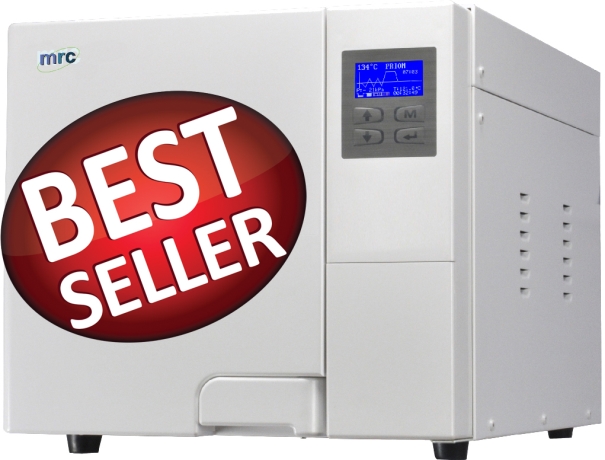
For example, two laboratories may both require an autoclave, but their required chamber size, sterilisation cycles, documentation and loading capacity may be completely different.
Creating a detailed technical specification helps suppliers recommend suitable equipment and prevents the purchase of a system that is either underpowered or unnecessarily complex.
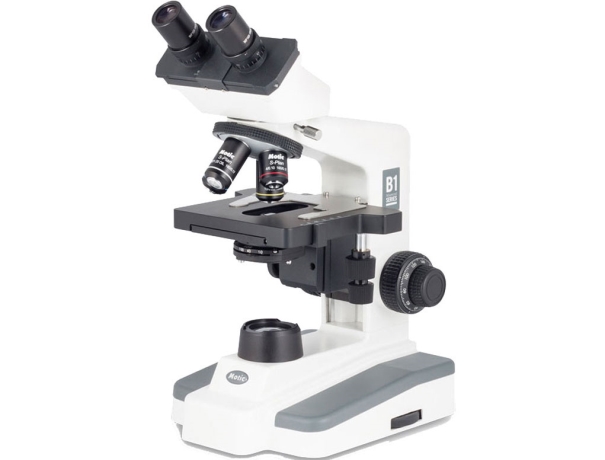
Evaluate Accuracy, Repeatability and Performance
For laboratory instruments and measuring equipment, the accuracy stated in the product specification should be carefully reviewed.
However, accuracy should not be considered alone. Repeatability, resolution, detection limits, stability and response time may also influence the quality of the results.
Ask the supplier whether the stated performance has been tested under conditions similar to your intended application.
Where appropriate, request supporting technical documentation, performance data or a product demonstration before making a final decision.
Check Calibration and Documentation Requirements
Many laboratory and industrial instruments require regular calibration to maintain reliable measurements.
Before purchasing, establish:
- Whether the equipment is supplied with a calibration certificate
- Whether calibration is traceable to recognised standards
- How frequently calibration is recommended
- Whether calibration can be performed locally
- The expected cost and duration of calibration
- Whether adjustment or servicing is included
It is also important to confirm that operating manuals, technical specifications, safety documentation and maintenance instructions are available.
Complete documentation is particularly important when equipment is used in regulated laboratories, quality-control departments or audited environments.
Consider the Total Cost of Ownership
The lowest purchase price does not always represent the best long-term value.
When comparing laboratory or industrial equipment, calculate the total cost of ownership throughout the expected life of the product.
This may include:
- Initial purchase price
- Delivery and installation
- Training
- Calibration
- Routine maintenance
- Replacement parts
- Consumables
- Software licences
- Energy consumption
- Repair costs
- Expected equipment lifetime
A more expensive system may offer better value if it provides greater reliability, lower maintenance requirements and longer service life.
Compare Equipment Models Carefully
Laboratory and industrial equipment is often available in several sizes, configurations and performance levels.
Avoid selecting equipment solely because it is the most advanced model available. Additional functions may increase the cost without providing practical value for the intended application.
Compare models according to the laboratory’s actual requirements and consider possible future needs.
When comparing products, create a checklist that includes the required specifications, optional features, warranty terms, delivery time and support services.
Assess the Supplier’s Technical Knowledge
The quality of the supplier is often as important as the quality of the equipment.
A professional laboratory equipment supplier should understand the application, ask relevant technical questions and explain the differences between available models.
The supplier should also be able to provide assistance before and after the purchase, including:
- Equipment selection
- Technical consultation
- Installation
- User training
- Troubleshooting
- Calibration support
- Repairs and servicing
- Replacement parts
Purchasing from a supplier with technical expertise can reduce the risk of selecting unsuitable equipment and help minimise downtime if a problem occurs.
Confirm Warranty, Repairs and Spare-Part Availability
Before placing an order, review the warranty conditions carefully.
Confirm the duration of the warranty, which components are covered and whether labour, travel or shipping costs are included.
It is also important to ask how repairs are handled after the warranty period. Equipment that cannot be repaired locally or requires unavailable spare parts may become expensive to maintain.
For critical laboratory or production equipment, ask about estimated repair times, replacement equipment and the long-term availability of parts.
Plan Installation Before Delivery
Some equipment can be placed directly on a laboratory bench, while other systems require specialist installation.
Before purchasing, check:
- Equipment dimensions and weight
- Required electrical supply
- Ventilation requirements
- Water, gas or compressed-air connections
- Drainage requirements
- Bench or floor load capacity
- Required clearance around the equipment
- Access routes into the laboratory
Large equipment may require site preparation before delivery. Confirming these requirements early can prevent installation delays and unexpected additional costs.
Consider User Training and Ease of Operation
Equipment should be suitable for the people who will use it.
Complex systems may provide advanced capabilities, but they can also increase training requirements and the risk of user error.
Consider whether the equipment has clear controls, understandable software, safety features and accessible operating instructions.
When several employees will use the system, request operator training and ensure that the supplier can provide ongoing technical support.
Request a Demonstration or Technical Consultation
For high-value or technically complex equipment, request a demonstration before purchasing whenever possible.
A demonstration allows users to evaluate the equipment’s operation, software, accessibility and suitability for the intended application.
Provide the supplier with information about the samples, methods or processes that will be used. This enables the supplier to recommend the most appropriate configuration and identify potential limitations before the purchase.
Laboratory Equipment Purchasing Checklist
Before approving an order, confirm the following:
- The equipment meets the required technical specifications
- Accuracy and repeatability are suitable for the application
- Installation requirements have been reviewed
- Calibration and maintenance requirements are understood
- Warranty conditions have been confirmed
- Spare parts and repairs will remain available
- Operators can receive appropriate training
- Delivery time is acceptable
- Total ownership costs have been calculated
- The supplier can provide long-term technical support
Common Purchasing Mistakes to Avoid
One of the most common mistakes is selecting equipment based only on price. Low-cost equipment may become expensive if it requires frequent repairs, produces unreliable results or cannot be calibrated.
Other common mistakes include purchasing equipment with unnecessary features, failing to check installation requirements and overlooking the availability of local technical support.
A careful purchasing process helps ensure that the selected equipment is suitable, reliable and capable of supporting the laboratory’s work for many years.
Choosing a Laboratory and Industrial Equipment Supplier
MUNRO Scientific supplies laboratory equipment, measuring instruments and material testing solutions for a wide range of scientific and industrial applications.
Our team can help identify suitable equipment according to your technical requirements, available space and intended application.
Contact MUNRO Scientific to discuss your equipment requirements and receive professional assistance selecting the most appropriate solution.
Reviewed by the MUNRO Scientific Technical Team