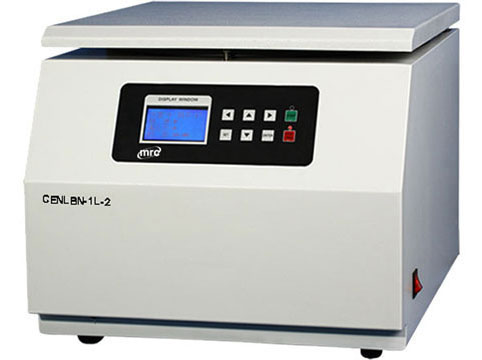
1. What is a laboratory centrifuge?
- A laboratory centrifuge is a piece of equipment used to separate particles from a liquid based on their density and size. It applies centrifugal force to the sample, causing the denser particles to move outward and settle at the bottom of the tube.
2. What are the main types of laboratory centrifuges?
- There are several types, including microcentrifuges, refrigerated centrifuges, ultracentrifuges, and benchtop centrifuges. Each type has specific applications and capabilities.
3. What are some common applications of laboratory centrifuges?
- Laboratory centrifuges are used in various scientific and medical applications, including separating blood components, isolating DNA, purifying proteins, and processing samples for microscopy.
4. How does a laboratory centrifuge work?
- A laboratory centrifuge works by spinning samples at high speeds, typically thousands to tens of thousands of revolutions per minute (RPM). Centrifugal force pushes denser particles outward, causing them to settle at the bottom of the tube, while lighter particles remain suspended or form layers according to their density.
5. What factors should be considered when choosing a laboratory centrifuge?
- Factors to consider include centrifuge type, maximum speed and capacity, temperature control capabilities, available rotor options, ease of use, and safety features.
6. What safety precautions should be taken when using a laboratory centrifuge?
- Safety precautions include balancing sample tubes, using appropriate rotor tubes and adapters, ensuring proper rotor installation, observing maximum speed and capacity limits, and wearing appropriate personal protective equipment (PPE) such as gloves and safety goggles.
7. How can I maintain a laboratory centrifuge?
- Maintenance tasks may include regularly cleaning the centrifuge and rotors, inspecting for signs of wear or damage, calibrating as needed, and following manufacturer guidelines for lubrication and other maintenance procedures.
8. What is the difference between a microcentrifuge and an ultracentrifuge?
- Microcentrifuges are used for smaller volumes and lower speeds, typically up to 20,000 RPM, while ultracentrifuges are capable of much higher speeds, often exceeding 100,000 RPM, and are used for applications such as sedimentation of macromolecules and separation of cellular components.
9. Can a laboratory centrifuge be used for clinical diagnostics?
- Yes, laboratory centrifuges are commonly used in clinical settings for tasks such as separating blood components (e.g., plasma, serum, and cells), analyzing urine sediment, and performing various immunoassays and molecular diagnostics.
10. What are some recent advancements in laboratory centrifuge technology?
- Recent advancements include improvements in speed and efficiency, development of specialized rotors and adapters for specific applications, integration with automation and data management systems, and enhancements in safety features and user interface design.