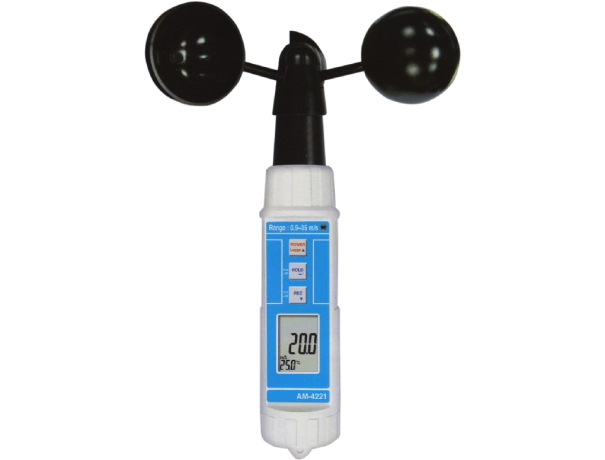
Q: What is a cup anemometer?
A: A cup anemometer is a device used to measure wind speed. It typically consists of three or four cups mounted on horizontal arms that rotate around a vertical axis.
Q: How does a cup anemometer work?
A: As the wind blows, it causes the cups to rotate. The speed of rotation is directly proportional to the wind speed. By measuring the rate of rotation, the wind speed can be determined.
Q: What are the advantages of using a cup anemometer?
A: Cup Anemometers are simple, robust, and reliable instruments for measuring wind speed. They are relatively inexpensive compared to other types of anemometers and can provide accurate measurements over a wide range of wind speeds.
Q: Are there any limitations to cup anemometers?
A: Cup anemometers can underestimate wind speeds, particularly at low speeds, due to factors such as friction and inertia. They can also be affected by turbulence and changes in wind direction.
Q: How are cup anemometers calibrated?
A: Cup anemometers are typically calibrated using a known wind speed source, such as a wind tunnel or another calibrated anemometer. The calibration involves comparing the output of the cup anemometer to the known wind speed and making adjustments as necessary.
Q: Where are cup anemometers commonly used?
A: Cup anemometers are used in various applications, including weather monitoring, climate research, and wind energy assessment. They are often mounted on weather stations, buoys, and wind turbines.
Q: Can cup anemometers measure wind direction?
A: No, cup anemometers are designed specifically to measure wind speed, not wind direction. For wind direction measurement, a separate instrument such as a wind vane is required.
Q: Are there any alternative types of anemometers?
A: Yes, there are several alternative types of anemometers, including sonic anemometers, hot-wire anemometers, and pitot tube anemometers. Each type has its own advantages and limitations depending on the application.