Science lab instruments important in conducting experiments, analyzing samples, and making scientific discoveries. Whether you're a student, researcher, or scientist, understanding the different types of lab instruments and their functions is essential. In this article, we will explore a wide range of science lab instruments, their purposes, and how they contribute to the advancement of scientific knowledge.
Types of Science Laboratory instruments
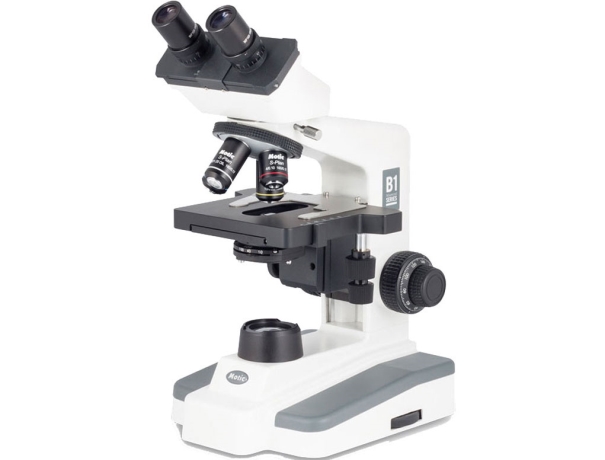
Microscopes are essential tools in scientific research and education. They allow scientists to observe and study objects that are too small to be seen with the naked eye. Microscopes come in various types, including light microscopes, electron microscopes, and confocal microscopes, each offering different levels of magnification and resolution.
Bunsen Burner
The Bunsen burner is a common lab instrument used for heating, sterilizing, and performing various experiments. It produces a single, adjustable flame that can reach high temperatures. The Bunsen burner is widely used in chemistry and biology labs for tasks such as heating solutions, sterilizing equipment, and conducting flame tests.

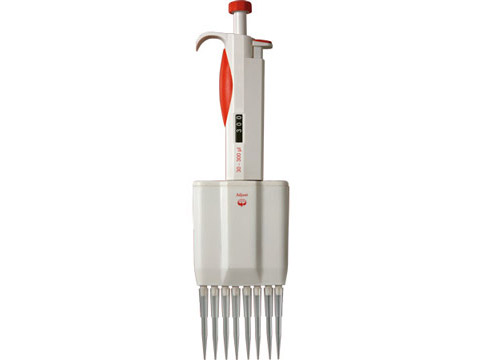
Pipettes are precision instruments used to measure and transfer small volumes of liquid. They come in different types, including micropipettes and graduated pipettes, and are crucial in various scientific disciplines like chemistry, biology, and medical research. Pipettes ensure accurate and reproducible measurements, which are essential for conducting experiments and analyzing samples.
Beakers and Flasks
Beakers and flasks are common lab glassware items used for holding and mixing liquids. Beakers have a cylindrical shape with a flat bottom, while flasks have a more rounded shape and often come with a narrow neck. These containers are essential for preparing and storing solutions, as well as conducting reactions and performing titrations.
Centrifuges are powerful lab instruments used to separate substances based on their density or particle size. By spinning samples at high speeds, centrifuges generate centrifugal forces that cause components to separate. They are widely used in molecular biology, biochemistry, and clinical laboratories for separating cells, proteins, and DNA.

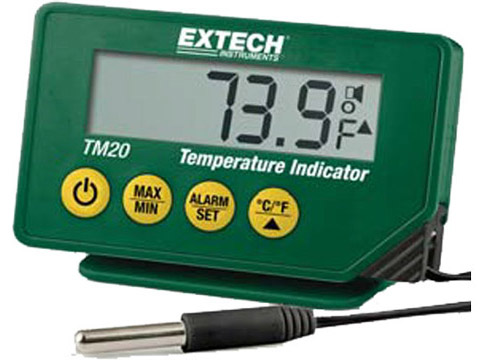
Thermometers are temperature-measuring instruments used in labs to monitor and control temperature conditions. Different types of thermometers, such as mercury thermometers, digital thermometers, and infrared thermometers, are used depending on the specific application. Accurate temperature control is critical in various experiments and processes, ensuring reliable and reproducible results.
pH meters are used to measure the acidity or alkalinity of a solution. They provide accurate pH readings, enabling scientists to monitor and adjust the pH level of their samples. pH meters are widely used in chemistry, biology, environmental science, and food science laboratories.
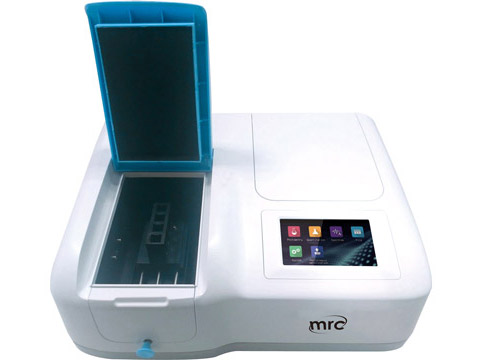
Spectrophotometers are instruments used to measure the intensity of light transmitted or absorbed by a sample. They are extensively used in analytical chemistry and biochemistry for applications such as quantitative analysis, DNA and protein analysis, and drug discovery. By measuring the absorbance or transmittance of light at different wavelengths, spectrophotometers provide valuable data that helps scientists understand the composition and properties of substances.
Autoclaves
Autoclaves are specialized devices used for sterilizing laboratory equipment, media, and glassware. They create a high-pressure, high-temperature environment that effectively eliminates bacteria, viruses, and other microorganisms. Autoclaves are critical in maintaining aseptic conditions in laboratories, ensuring the safety and integrity of experiments and research.

Incubators are temperature-controlled chambers used to cultivate and grow microorganisms, cells, and tissues. They provide a controlled environment with regulated temperature, humidity, and often CO2 levels. Incubators are widely used in microbiology, cell biology, and tissue engineering research, as well as in medical and diagnostic laboratories.
Gloves and Safety Equipment
Gloves and safety equipment are essential for maintaining personal safety and preventing contamination in the laboratory. Laboratory gloves protect the hands from hazardous substances, chemicals, and biological materials. Additionally, safety goggles, lab coats, and face masks provide further protection against potential risks, such as chemical splashes and airborne particles.
Lab Coats and Protective Clothing
Lab coats and protective clothing are worn to provide a barrier between the individual and potentially harmful substances or materials in the lab. They help prevent contamination and reduce the risk of exposure to chemicals, biological agents, or other hazards. Lab coats are typically made of durable, fire-resistant materials and are an essential part of lab safety protocols.
Lab Glassware
Lab glassware encompasses a wide range of containers, including beakers, flasks, test tubes, and petri dishes. These items are made from specialized glass that is resistant to heat, chemicals, and thermal shock. Lab glassware is used for various purposes, such as mixing, heating, storing, and conducting experiments. Accurate measurement and precise handling of liquids are crucial in laboratory settings, and lab glassware facilitates these tasks.
Measuring instruments, such as graduated cylinders, volumetric flasks, and analytical balances, are fundamental tools in the laboratory. Graduated cylinders and volumetric flasks allow precise measurement of liquid volumes, ensuring accurate preparation of solutions. Analytical balances, on the other hand, provide accurate weighing of substances, which is crucial for analytical chemistry, formulation, and quality control.
Analytical Balances
Analytical balances are highly sensitive instruments used for measuring the mass of substances with a high degree of precision. They are designed to provide accurate readings, even for very small quantities. Analytical balances are essential in analytical chemistry, pharmaceutical research, and quality control processes, where precise measurements are necessary for accurate analysis and formulation.
Types of Laboratories
Biological Laboratories
Biological laboratories, also known as life science laboratories, focus on the study of living organisms, their structure, functions, and interactions. These labs important in fields such as genetics, molecular biology, biochemistry, and microbiology. Researchers in biological laboratories investigate topics ranging from understanding genetic disorders to studying cellular processes and developing new medicines.
Chemical Laboratories
Chemical laboratories are dedicated to the study of chemicals, compounds, and their properties. Chemists and researchers in these labs conduct experiments to analyze the composition, behavior, and reactions of various substances. Chemical laboratories are essential in industries such as pharmaceuticals, materials science, and environmental analysis. They also contribute to advancements in areas like organic chemistry, inorganic chemistry, and analytical chemistry.
Clinical Laboratories
Clinical laboratories are an integral part of healthcare systems, where medical professionals perform diagnostic tests, analyze patient samples, and monitor health conditions. These labs handle specimens such as blood, urine, and tissue samples to assist in disease diagnosis, treatment monitoring, and research. Clinical laboratories employ techniques like microscopy, immunology, molecular diagnostics, and clinical chemistry to provide vital information for patient care.
Physics Laboratories
Physics laboratories focus on understanding the fundamental principles governing the natural world and exploring the behavior of matter and energy. These labs are equipped with sophisticated instruments for conducting experiments related to mechanics, electromagnetism, optics, quantum physics, and astrophysics. Researchers in physics laboratories contribute to diverse fields, including particle physics, condensed matter physics, and theoretical physics.
Environmental Laboratories
Environmental laboratories are dedicated to studying the impact of human activities on the environment and monitoring the quality of air, water, soil, and ecosystems. Environmental scientists and researchers analyze samples to assess pollution levels, identify contaminants, and develop strategies for environmental conservation. These labs employ techniques such as chromatography, spectrometry, and molecular biology to understand complex environmental processes.
Forensic Laboratories
Forensic laboratories Important in criminal investigations and legal proceedings. Forensic scientists in these labs analyze evidence collected from crime scenes, employing techniques like DNA analysis, fingerprint examination, ballistics, and toxicology. They provide critical information and expert testimony that aid law enforcement agencies and the judicial system in solving crimes and delivering justice.
Genetics Laboratories
Genetics laboratories focus on studying genes, heredity, and genetic variations. Researchers in these labs employ techniques like DNA sequencing, genotyping, and gene expression analysis to understand the genetic basis of diseases, evolutionary relationships, and inheritance patterns. Genetics laboratories contribute to medical research, personalized medicine, genetic counseling, and the development of gene therapies.
Nanotechnology Laboratories
Nanotechnology laboratories are at the forefront of exploring and manipulating materials at the nanoscale. Scientists in these labs work with structures and devices that are measured in nanometers (one billionth of a meter). They investigate unique properties and applications of nanomaterials, such as nanoparticles and nanotubes, with potential advancements in electronics, medicine, energy, and materials science.
Pharmaceutical Laboratories
Pharmaceutical laboratories are dedicated to the development and testing of drugs and medications. Researchers in these labs conduct experiments to discover new compounds, evaluate their effectiveness and safety, and analyze drug interactions. Pharmaceutical laboratories contribute to the discovery of life-saving drugs, clinical trials, drug formulation, and quality control in the pharmaceutical industry.
Geological Laboratories
Geological laboratories focus on the study of Earth's materials, structures, and processes. Geologists and researchers analyze rock and soil samples to understand Earth's history, identify mineral resources, and study natural hazards. Geological laboratories employ techniques such as petrology, geochemistry, and geochronology to unravel the geological mysteries of our planet.
Food Science Laboratories
Food science laboratories investigate various aspects of food, including its composition, safety, and nutritional value. Food scientists and researchers conduct experiments to develop new food products, improve food processing techniques, and ensure food quality and safety standards. These labs contribute to areas such as food microbiology, food chemistry, sensory analysis, and food product development.
Microbiology Laboratories
Microbiology laboratories are dedicated to the study of microorganisms, including bacteria, viruses, fungi, and protozoa. Microbiologists in these labs investigate microbial structures, functions, and interactions, as well as their impact on human health, the environment, and industry. Microbiology laboratories Important in infectious disease research, antimicrobial resistance studies, and the development of vaccines and diagnostic tests.
Robotics Laboratories
Robotics laboratories focus on the design, development, and programming of robots and autonomous systems. Researchers in these labs explore various fields, including artificial intelligence, computer vision, control systems, and human-robot interaction. Robotics laboratories contribute to advancements in automation, healthcare robotics, industrial robotics, and exploring the potential of robotics in various industries.
Neuroscience Laboratories
Neuroscience laboratories study the structure, function, and development of the nervous system, including the brain and the spinal cord. Neuroscientists and researchers in these labs investigate topics such as neural pathways, brain activity, and the mechanisms underlying behavior and cognition. Neuroscience laboratories employ techniques like electrophysiology, neuroimaging, and molecular biology to unravel the mysteries of the brain.
Space Research Laboratories
Space research laboratories are dedicated to studying the universe beyond Earth. Scientists in these labs explore topics such as astrophysics, cosmology, planetary science, and space exploration. They use telescopes, satellites, and other advanced instruments to gather data and make discoveries about celestial bodies, the origin of the universe, and the potential for life beyond Earth.