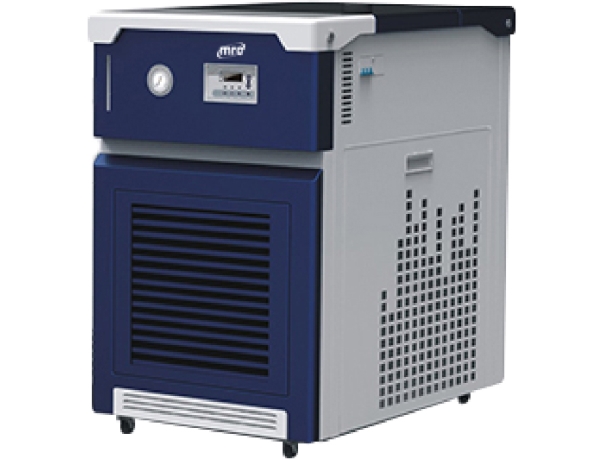
Laboratory chillers are crucial components in scientific research and industrial applications. They provide precise temperature control, ensuring the accuracy and consistency of experiments and processes. Over the years, chillers have evolved from basic cooling devices to sophisticated systems equipped with smart and automated features. In this article, we’ll explore the latest advancements in modern laboratory chillers, highlighting their smart features and how automation has enhanced their efficiency, safety, and overall performance.
What is Laboratory Chiller?
Laboratory chillers are cooling devices designed to remove heat from various laboratory equipment and processes. They maintain stable temperatures, ensuring that sensitive experiments and machinery operate within optimal conditions.
Types of Chillers Used in Laboratories
There are several types of laboratory chillers, including:
- Air-Cooled Chillers: Utilize ambient air to dissipate heat, suitable for smaller labs.
- Water-Cooled Chillers: Use water as the cooling medium, ideal for larger facilities with higher cooling demands.
- Recirculating Chillers: Provide consistent cooling through a closed-loop system, often used for equipment like lasers and spectrometers.
The Role of Automation in Laboratory Chillers
Automation has revolutionized laboratory chillers, making them more efficient and reliable. Automated systems reduce the need for manual intervention, ensuring optimal performance through precise control and monitoring. By integrating sensors and smart technology, modern chillers can automatically adjust settings based on real-time data, optimizing energy use and maintaining consistent temperatures.
Benefits of Automated Systems
- Increased Accuracy: Automated chillers deliver precise temperature control, essential for sensitive experiments.
- Energy Efficiency: Automation helps minimize energy consumption by adjusting cooling output based on current needs.
- Reduced Downtime: Automated diagnostics detect issues early, allowing for prompt maintenance and reducing operational interruptions.
Smart Features in Modern Laboratory Chillers
Overview of Smart Technology in Chillers
Modern laboratory chillers are equipped with smart features that enhance functionality and performance. These include digital touchscreens, remote control capabilities, and automated diagnostics. Such features allow users to monitor and adjust settings from virtually anywhere, ensuring consistent and efficient operation.
Examples of Smart Features
- Programmable Temperature Settings: Users can set specific temperature ranges for different processes, ensuring precision.
- Self-Diagnostics: Automated diagnostics systems identify potential issues and alert users, minimizing downtime.
- Wi-Fi Connectivity: Chillers can connect to mobile apps, allowing users to control and monitor them remotely.
Energy Efficiency and Sustainability
Energy-Saving Technologies
Modern chillers incorporate energy-efficient components like variable-speed compressors and intelligent cooling algorithms. These technologies adjust the chiller’s performance based on real-time demands, reducing energy usage and operational costs.
Eco-Friendly Refrigerants and Their Impact
In response to environmental concerns, manufacturers are adopting eco-friendly refrigerants that have a lower global warming potential (GWP). These sustainable options help laboratories reduce their carbon footprint without compromising performance.
Remote Monitoring and Control
Remote monitoring is a standout feature in modern chillers, providing users with the convenience of accessing and managing their chillers from anywhere. Using mobile and desktop applications, users can receive real-time notifications, monitor performance metrics, and make adjustments as needed.
Real-Time Monitoring and Notifications
This capability ensures that any anomalies, such as temperature fluctuations or equipment malfunctions, are immediately detected and communicated to the user. This proactive approach enhances the overall reliability and safety of laboratory operations.
Temperature Precision and Stability
Importance of Temperature Control in Laboratories
In laboratories, maintaining precise and stable temperatures is crucial. Whether it’s cooling sensitive samples or ensuring that instruments operate within specified conditions, temperature control directly affects the outcome of experiments and processes.
Advanced Temperature Control Systems
Modern chillers feature advanced temperature control systems that guarantee stability. These systems use PID (Proportional-Integral-Derivative) controllers to maintain temperatures with minimal deviation, providing the consistency laboratories need.
Integrated Safety Features
Safety is paramount in laboratory environments. Modern chillers include integrated safety features like automatic shutdowns in the event of malfunctions, alarms for temperature deviations, and built-in pressure relief systems to prevent over-pressurization.
Automatic Shutdowns and Alerts
These automated safety measures help protect equipment and ensure the safety of personnel. If a problem arises, the chiller automatically shuts down and sends alerts to the user, minimizing potential damage.
Ease of Maintenance and Self-Diagnostics
Self-Diagnostic Capabilities in Modern Chillers
Modern chillers are designed with self-diagnostic capabilities that continuously monitor the system’s performance. If an issue is detected, the system provides a diagnostic report, allowing technicians to address the problem quickly and efficiently.
Simplified Maintenance Schedules
By automating diagnostic checks, modern chillers reduce the frequency of manual inspections and provide maintenance reminders, streamlining the upkeep process for laboratory staff.
User-Friendly Interfaces and Customization
Laboratory chillers now feature intuitive touchscreens and user interfaces that make it easy for users to access and control various functions. These interfaces often allow for customization, enabling users to tailor settings according to their specific laboratory needs.
Compatibility with Other Laboratory Equipment
Integration with Lab Equipment and Systems
Modern chillers can integrate with other laboratory systems and equipment, enabling seamless data sharing and synchronized operation. This integration enhances efficiency, allowing laboratories to automate processes and maintain comprehensive lab management.
Syncing Data for Comprehensive Lab Management
By syncing data from various equipment, laboratories can monitor and control the entire system through a unified platform, ensuring optimal performance across the board.
Data Logging and Analytics
Laboratory chillers now offer data logging capabilities, collecting information on performance metrics, temperature fluctuations, and energy usage. This data is analyzed to optimize chiller performance and identify areas for improvement.
Enhanced Longevity and Durability
Features That Prolong the Lifespan of Chillers
High-quality materials, robust construction, and advanced design features contribute to the durability of modern chillers. Self-regulating mechanisms and automated maintenance features also help extend their operational lifespan.
Cost Efficiency and ROI
Investing in a smart laboratory chiller can be cost-effective in the long run. The energy-efficient features, reduced maintenance needs, and extended lifespan contribute to significant cost savings and a high return on investment (ROI).